


Turmeric: The Golden Anti-Inflammatory
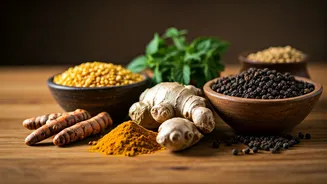
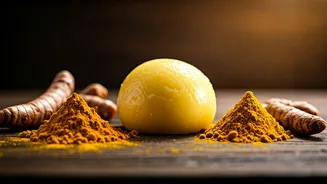
Long before 'golden milk lattes' became a staple in trendy cafes, haldi (turmeric) was the cornerstone of the Indian kitchen pharmacy. Its power comes from curcumin, a compound with potent anti-inflammatory and antioxidant properties. In traditional Indian cooking,
it’s not just sprinkled on top; it's a foundational spice in dals, curries, and vegetable dishes. Critically, it’s almost always cooked with black pepper and a fat (like ghee or oil). This isn't a coincidence. The piperine in black pepper is known to increase curcumin absorption by up to 2,000%, and since curcumin is fat-soluble, the combination makes its benefits bioavailable. This ancient culinary wisdom created a synergy that modern supplements now try to replicate, proving that grandma’s cooking science was years ahead of its time.
Lentils and Legumes: The Plant-Protein Powerhouse
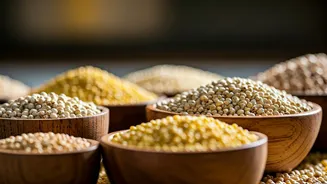
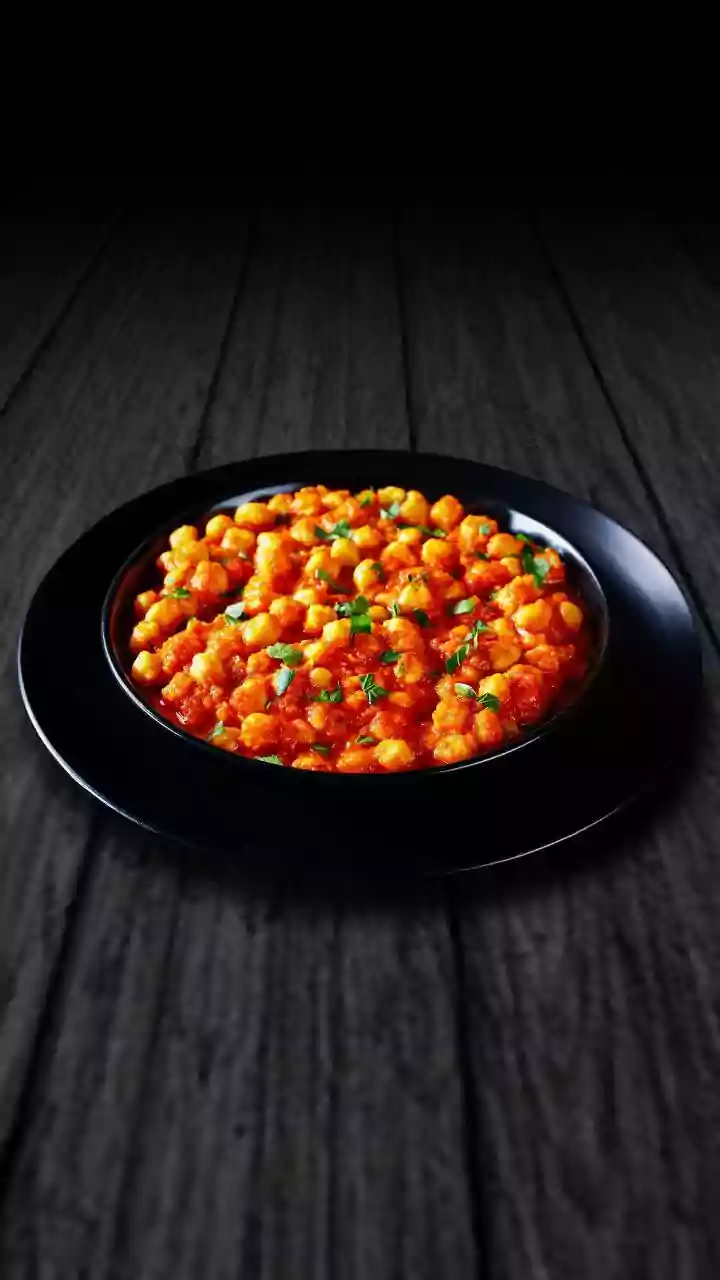
In the U.S., plant-based protein can feel like a new trend. In India, it's a tradition thousands of years old. Dal, a simple stew made from lentils, beans, or peas, is the nourishing heart of countless Indian meals. These legumes are packed with fiber, folate, and iron, and they provide a slow, steady release of energy. When paired with rice or roti (a whole wheat flatbread), the combination of legumes and grains creates a complete protein, providing all the essential amino acids the body needs. This makes meals both incredibly satisfying and nutritionally whole without relying on meat. From the humble toor dal to the robust chana masala, this principle of pairing offers a sustainable, affordable, and powerful lesson in nutrition.
Ghee: The Misunderstood Super-Fat
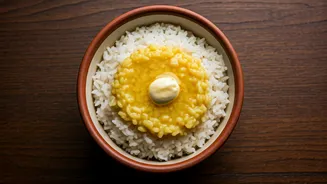
For years, Western dietary advice villainized fats, and ghee (clarified butter) was often unfairly lumped in with the bad guys. But traditional Indian food culture, particularly Ayurveda, has always revered it. Ghee is made by simmering butter until the milk solids separate and are removed, leaving pure butterfat. This process gives it a high smoke point, making it excellent for cooking without creating harmful free radicals. More importantly, it’s a rich source of butyric acid, a short-chain fatty acid that supports gut health and can help reduce inflammation. It's also full of fat-soluble vitamins like A, E, and D. Used mindfully, not excessively, ghee is a nourishing fat that helps the body absorb nutrients from other foods—a concept that modern wellness is finally embracing.
Fermentation: The Original Gut-Health Hack
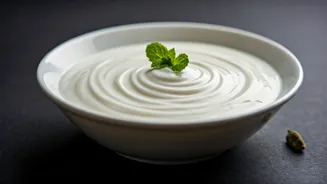
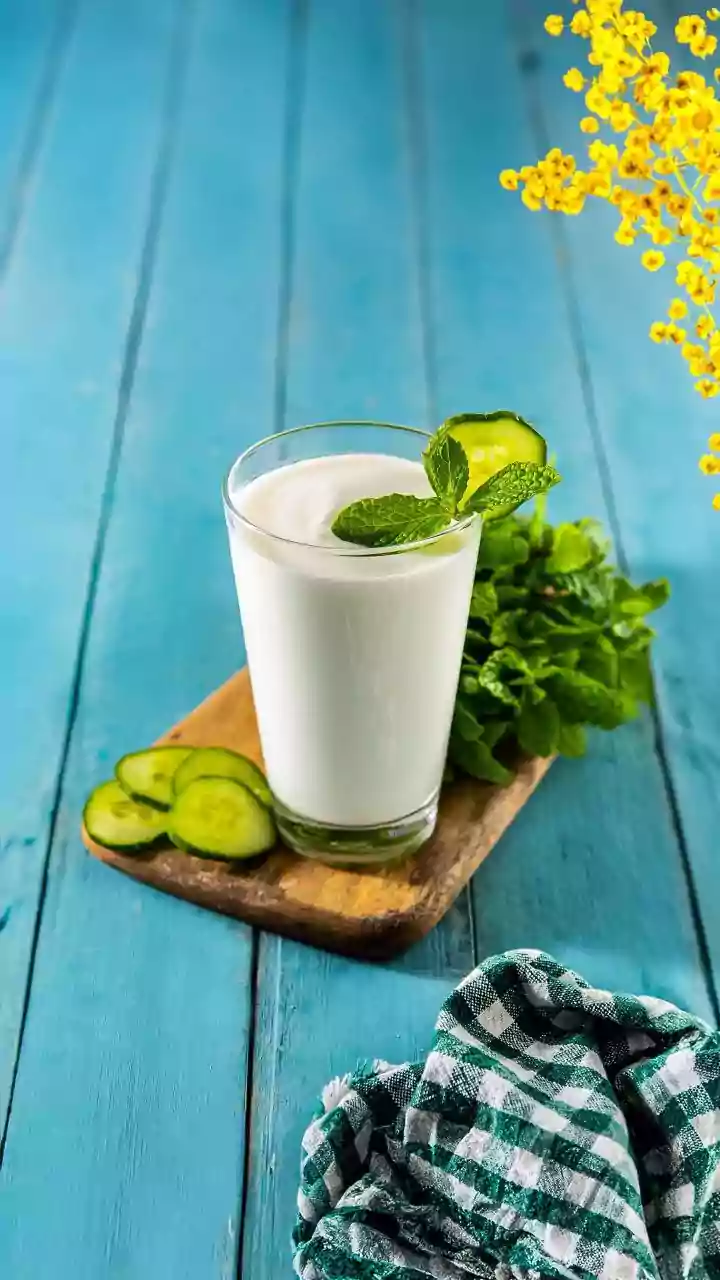
Before kombucha became a billion-dollar industry, Indian households were mastering the art of fermentation to boost both flavor and health. Think of the soft, pillowy idlis and crispy dosas of South India. The batter for both is made from a simple mix of rice and lentils that’s left to ferment overnight. This natural process not only makes them easier to digest but also enriches them with probiotics—the beneficial bacteria that are crucial for a healthy gut microbiome. Similarly, homemade dahi (yogurt) is a daily staple in many homes, serving as a cooling side dish, a base for marinades, or a refreshing drink (lassi). These traditional foods are a testament to the fact that supporting gut health doesn't require expensive pills or drinks; it can be a delicious, integral part of daily meals.
The Spice Box: A Flavorful Pharmacy
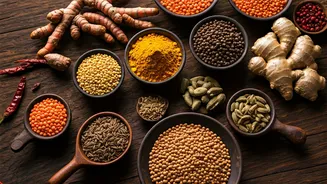
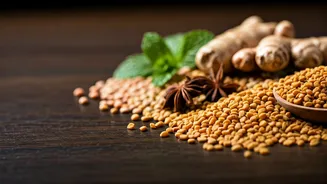
The Indian spice box, or masala dabba, isn't just about creating flavor; it's a curated toolkit for well-being. Each spice was traditionally chosen for its specific medicinal properties. Ginger is a powerful digestive aid that soothes the stomach. Cumin seeds are known to aid in metabolism and digestion. Coriander has a cooling effect on the body, while fenugreek can help regulate blood sugar. Asafoetida (hing), though pungent, is added in tiny amounts to lentil dishes to prevent gas and bloating. This approach isn't about mega-dosing on one 'super-spice' but about using a complex blend of spices in small, regular amounts. This symphony of flavors works together to make food delicious while supporting the body's natural functions—a truly holistic approach to eating well.