




A Valley Hidden in the Himalayas
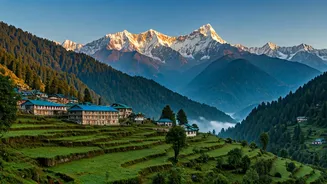
Tucked away in the high mountains of Uttarakhand, India, Harsil is a destination that feels like a secret whispered among seasoned travelers. Situated at an altitude of over 8,500 feet, this small valley is a world away from the crowded chaos of more
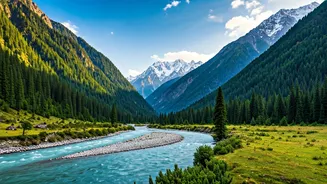
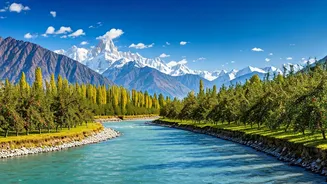
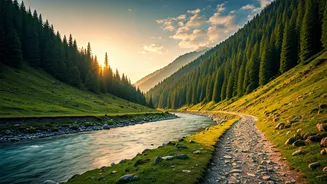
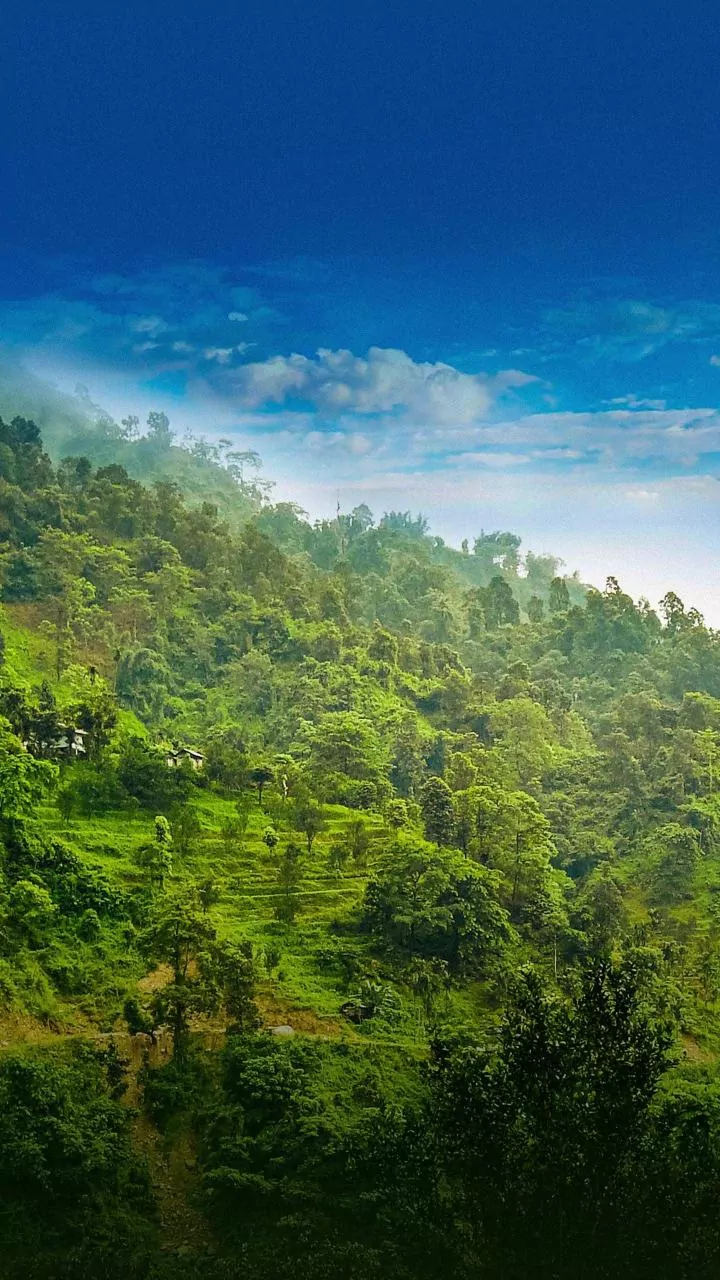
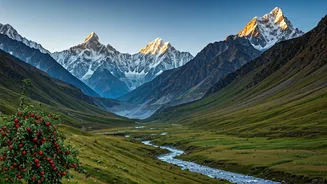
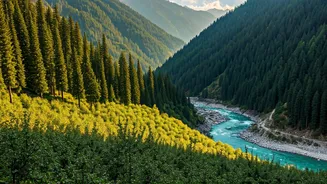
famous mountain towns. The journey itself is part of the magic, a winding ascent through dense forests of deodar cedar that suddenly opens up to reveal a serene landscape. Unlike the commercialized frenzy of some Himalayan hotspots, Harsil operates on a slower, more deliberate rhythm. Here, the main attractions aren't souvenir shops or adventure parks; they are the snow-dusted peaks that frame the horizon, the quiet walking paths, and the profound sense of peace that settles over the valley as the sun dips behind the mountains.
The Legend of the Apple King
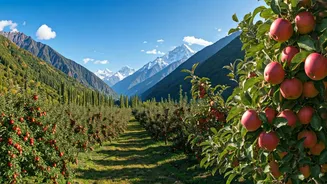
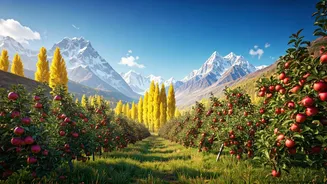
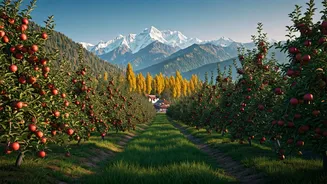
You can't talk about Harsil without talking about apples. The valley is famous for its crisp, juicy varieties, but they aren't native to the region. Their story begins in the 19th century with a British army deserter named Frederick E. Wilson, who fled and settled in this remote valley. Known locally as “Pahari Wilson” or the “King of Harsil,” he introduced apple cultivation to the area, forever changing its economy and landscape. Today, the orchards he planted thrive, their branches heavy with fruit in the autumn. A walk through these groves is a sensory experience. In spring, they’re a sea of fragrant white and pink blossoms. By September, the air is thick with the sweet scent of harvest. These “Wilson Apples” are not just a crop; they are a living link to the valley's unique history, a testament to a renegade who found a home and created a legacy in the high Himalayas.
The Sacred Song of the River
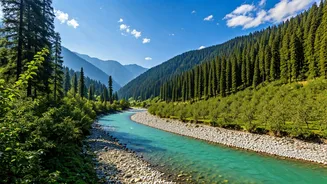
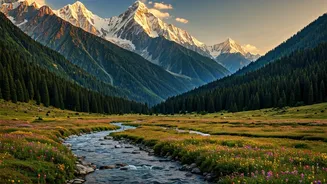
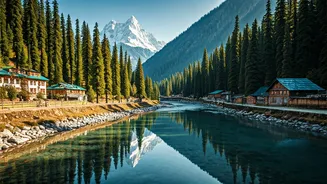
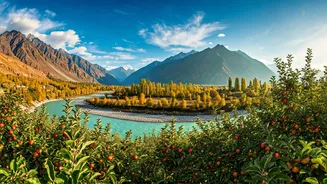
Flowing with glacial force through the heart of the valley is the Bhagirathi River, one of the two main headstreams of the Ganges. For Hindus, this is not just water; it is a sacred entity, the physical manifestation of the goddess Ganga. Its presence is constant and powerful. The river’s roar is the valley’s soundtrack, a soothing white noise that drowns out the static of modern life. The water itself is a mesmerizing spectacle—a torrent of icy, turquoise blue tumbling over smooth, grey boulders. It’s too cold and swift for swimming, but its banks are perfect for quiet contemplation. Sitting by the Bhagirathi, watching the current carve its path through the mountains, is a humbling experience. It’s a powerful reminder of nature’s enduring strength and the spiritual energy that draws pilgrims and seekers to this part of the world.
Beyond the Orchards
While apples and the river define Harsil, its magic extends into the surrounding landscape. The valley serves as a gateway to further exploration. A short drive away is Mukhba, the winter home of the idol of the goddess Ganga, which is brought down from the higher-altitude Gangotri shrine before it becomes snowbound. The village itself offers a glimpse into traditional Garhwali architecture and life. For hikers, there are numerous trails leading into the woods and towards high-altitude meadows. One popular excursion is to Sattal, a group of seven interconnected lakes hidden in the forest. But perhaps the greatest joy of Harsil is the permission it gives you to do nothing at all—to simply sit with a cup of tea, breathe the clean mountain air, and watch the clouds drift across the sky.