



What Is a Bloom Getaway?
At its heart, a bloom getaway is a trip planned specifically around witnessing a large-scale floral event. It’s a form of nature tourism that focuses on the ephemeral beauty of flowers. This isn't just about stopping to smell the roses in a city park;
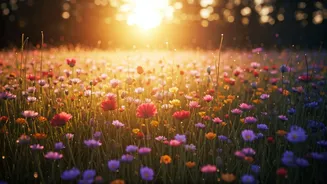
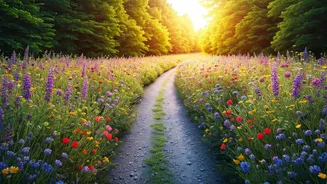
it’s about immersing yourself in an entire landscape transformed by color. The category is broad, ranging from chasing the unpredictable magic of a desert “superbloom” to attending a meticulously planned cherry blossom festival or wandering through cultivated lavender fields that stretch to the horizon. Fueled by the visual appeal of platforms like Instagram and a collective yearning for slower, more meaningful travel, these journeys are less about checking boxes and more about being present in a moment of natural wonder.
The Appeal of Slowing Down
The draw of a bloom getaway goes far beyond a pretty photo. It taps directly into the wellness movement and the scientifically backed benefits of spending time in nature, a concept known as biophilia. Unlike a packed itinerary in a major city, a bloom-focused trip encourages a slower pace. The main event is simply to walk, watch, and absorb. This intentional simplicity can be a powerful antidote to burnout and digital fatigue. Instead of navigating subways and long lines, you’re navigating paths through wildflowers or picnicking under blossoming trees. It’s a vacation that’s restorative by design, recalibrating your senses and offering a genuine sense of peace that many travelers are finding more valuable than traditional sightseeing.
Iconic: Chasing Cherry Blossoms
Perhaps the most classic example of a bloom getaway is the pilgrimage to see cherry blossoms, or *sakura*. While Japan is the epicenter of this tradition, the U.S. has its own world-class destinations. The National Cherry Blossom Festival in Washington, D.C., draws over a million visitors each spring to see the thousands of trees gifted from Japan bloom around the Tidal Basin. For a Southern twist, the International Cherry Blossom Festival in Macon, Georgia, boasts over 350,000 Yoshino cherry trees, blanketing the city in pale pink. These events are a perfect entry point into bloom travel, offering a mix of natural beauty and organized cultural festivities.
Wild: The Superbloom Spectacle
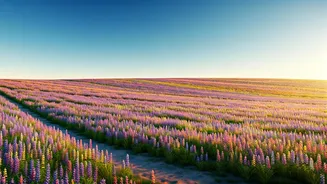
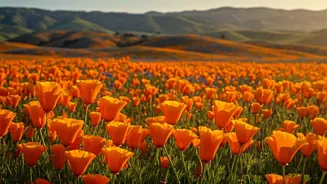
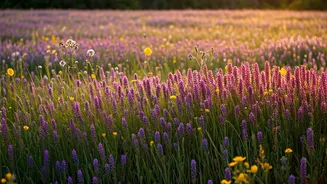
On the wilder end of the spectrum is the superbloom, an ecological phenomenon where dormant wildflower seeds in desert regions sprout all at once after a period of unusually high rainfall. These events are rare, unpredictable, and utterly breathtaking, transforming arid landscapes in places like Death Valley and Anza-Borrego Desert State Park in California into carpets of gold, purple, and pink. Chasing a superbloom requires flexibility, as they are often announced with little notice. The reward is a chance to witness a raw, powerful display of nature that feels almost miraculous—a true once-in-a-lifetime experience for many.
Cultivated: Lavender and Tulip Fields
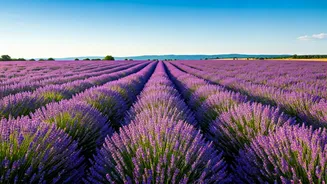
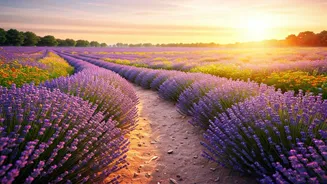
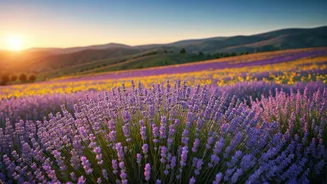
For a more structured but no less stunning experience, agricultural bloom getaways are a fantastic option. Think of the fragrant, purple-striped lavender fields of Provence, France—or their domestic counterparts in Washington, Oregon, and Texas. Similarly, the Skagit Valley Tulip Festival in Washington state rivals the famous flower fields of the Netherlands, with millions of tulips creating a vibrant patchwork quilt across the landscape. These trips are often more predictable than wild blooms, centered around farms and festivals that offer tours, photo opportunities, and products like essential oils or fresh-cut flowers. They provide a perfect blend of natural beauty and charming, rustic hospitality.
How to Plan Your Peaceful Escape
Timing is everything. Peak bloom can be a narrow window, so research your destination’s typical season and monitor local bloom forecasts. Secondly, be prepared for crowds. As these getaways grow in popularity, the most famous spots can become busy. Consider visiting on a weekday or seeking out lesser-known locations for a more tranquil experience. Finally, practice responsible tourism. Stick to marked trails to avoid trampling delicate plants, follow all local guidelines, and live by the “leave no trace” principle. The goal is to preserve this beauty for everyone to enjoy.