

Embrace Furniture with a Past
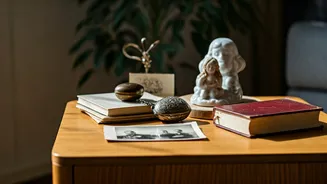
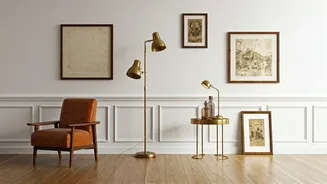
The soul of a lived-in space often lies in its furniture. While sleek, brand-new sets have their place, pieces that carry a sense of history add instant character and warmth. This doesn't mean you need priceless antiques. It could be a sturdy oak dining
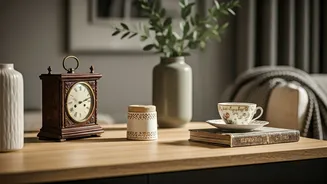
table from a grandparent, a flea market find with a few loving scuffs, or even a new piece designed with classic, timeless lines that suggest it has been around for ages. Look for natural materials like wood and leather that develop a rich patina over time. These items tell a story, grounding your space in a narrative that feels much more personal than anything you can pull from a flat-pack box. They serve as a quiet testament to durability and continuity in a disposable world.
Curate Your Personal Museum
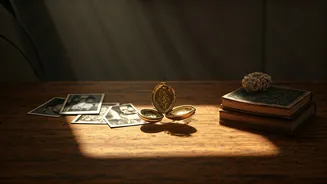
Your walls and shelves are the ultimate canvas for storytelling. Instead of generic, mass-produced art, think of these surfaces as a place to display your life’s journey. This is where nostalgia becomes deeply personal. Frame old family photos—not just the perfect studio portraits, but the candid, slightly blurry snapshots from a forgotten vacation. Display ticket stubs from a meaningful concert, a collection of vintage postcards, or a child's first drawing. Grouping these items in a gallery wall creates a focal point that’s both visually interesting and emotionally resonant. The goal isn't to create clutter, but to curate a collection of objects that spark joy and memory, turning a simple wall into a conversation starter.
Bring Back Analog Entertainment
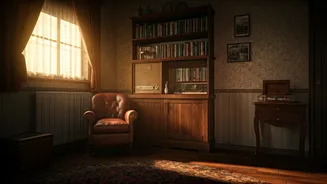
In our hyper-digital age, there's a unique comfort in the analog. A record player spinning a favorite album isn't just about the music; it's about the ritual. It’s the act of carefully placing the needle, the warm crackle before the song begins, and the physicality of the album art. The same goes for overflowing bookshelves. A wall of books is a visual promise of other worlds and a reflection of your intellectual curiosities. It’s a tactile, ever-present invitation to disconnect from screens and engage with something tangible. These elements don't just decorate a room; they infuse it with a slower, more intentional energy.
Layer with Textiles and Texture
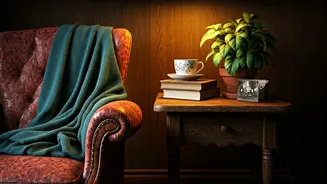
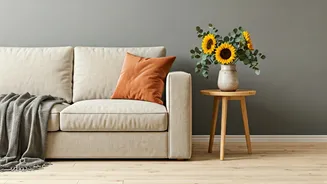
A truly lived-in space appeals to the sense of touch. The recent resurgence of materials like corduroy, velvet, and chunky knits is a direct nod to this nostalgic comfort. Think of a well-worn armchair draped with a crocheted afghan, or a collection of mismatched velvet pillows on the sofa. These textiles soften hard edges and add a layer of cozy, visual warmth. Even a slightly faded, hand-hooked rug can do more to make a room feel welcoming than a pristine, uniform carpet. Don't be afraid to mix patterns and textures; the slight imperfection is part of the charm, suggesting a collection of items acquired over time rather than in a single shopping trip.
Use Warm, Imperfect Lighting
Nothing dispels the feeling of home faster than harsh, overhead lighting. Nostalgic decor leans heavily on creating atmosphere, and lighting is its most powerful tool. A lived-in room is a collection of light pools, not a uniformly lit box. Use a variety of sources: a vintage-style table lamp with a fabric shade casting a warm glow on a side table, a floor lamp angled over a reading chair, and perhaps even the soft flicker of candlelight. Dimmers are your best friend. The ability to lower the lights in the evening creates an instant sense of intimacy and calm, harkening back to a time before the bright, blue-toned glare of modern LEDs became the default.