

1. Tomatoes & Olive Oil: The Mediterranean Power Duo
This classic pairing is the heart of Italian cooking for a reason. Tomatoes are packed with lycopene, a powerful antioxidant linked to reduced risk of certain diseases. But lycopene is fat-soluble, meaning your body needs fat to absorb it effectively.
Enter olive oil. Drizzling your fresh tomatoes with olive oil—or cooking them into a sauce—unlocks the full nutritional potential of the lycopene. Beyond the science, the synergy is a flavor jackpot. The rich, fruity notes of a good olive oil mellow the tomato's acidity and create a rounder, more luxurious mouthfeel. It’s the reason a simple Caprese salad or a slow-simmered marinara can taste so deeply satisfying.
2. Turmeric & Black Pepper: The Anti-Inflammatory Boost
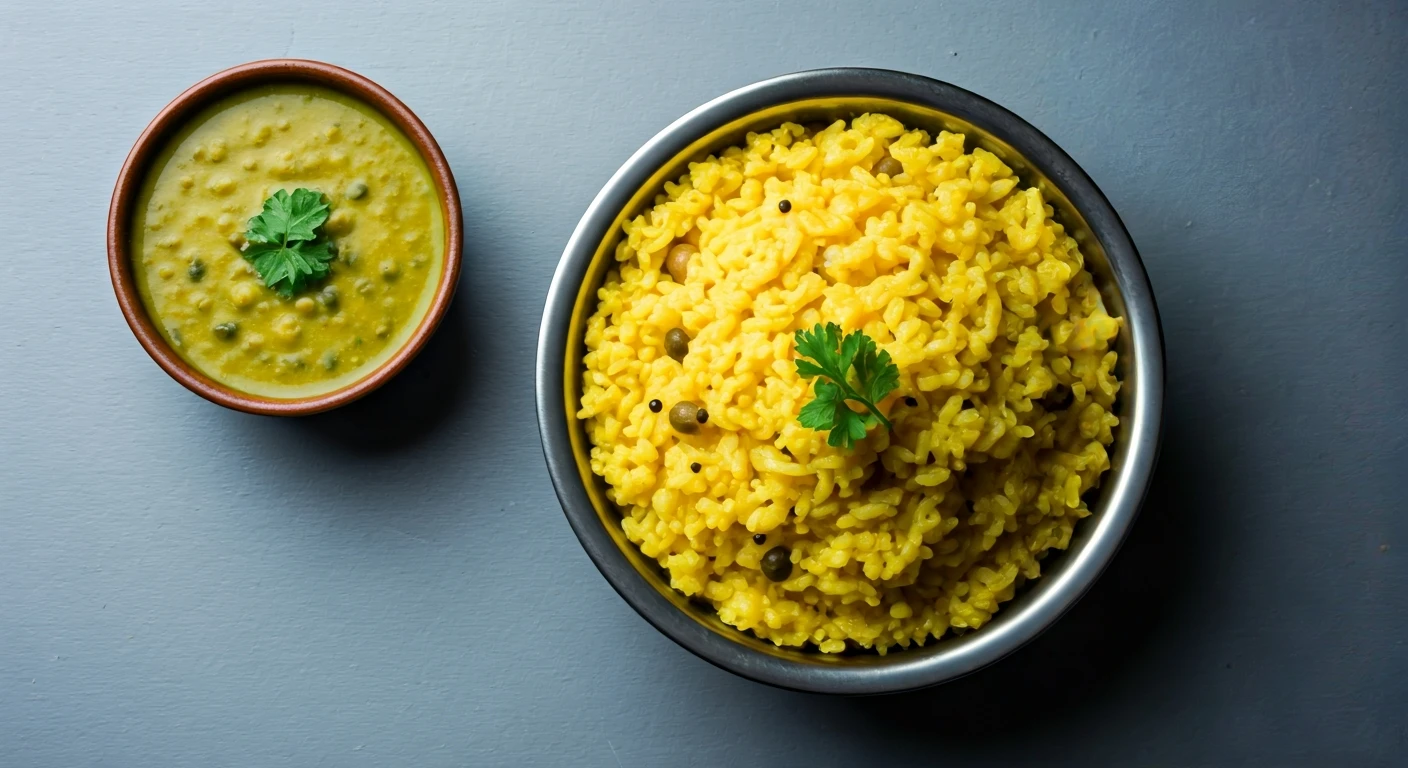
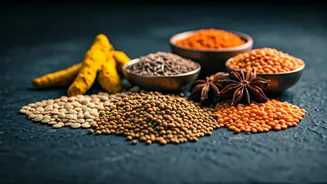
Turmeric, the golden spice that gives curry its vibrant color, contains curcumin, a compound celebrated for its anti-inflammatory properties. The problem? Curcumin is notoriously difficult for the body to absorb on its own. That’s where black pepper comes in. Piperine, the active compound in black pepper, has been shown to increase the bioavailability of curcumin by up to 2,000%. This is food synergy at its most potent. To put this into practice, simply add a generous pinch of freshly cracked black pepper to any dish featuring turmeric. Whether it's a curry, a lentil soup, a golden milk latte, or even roasted vegetables, this tiny addition transforms your meal from simply delicious to functionally brilliant.
3. Leafy Greens & Lemon Juice: The Iron Amplifier
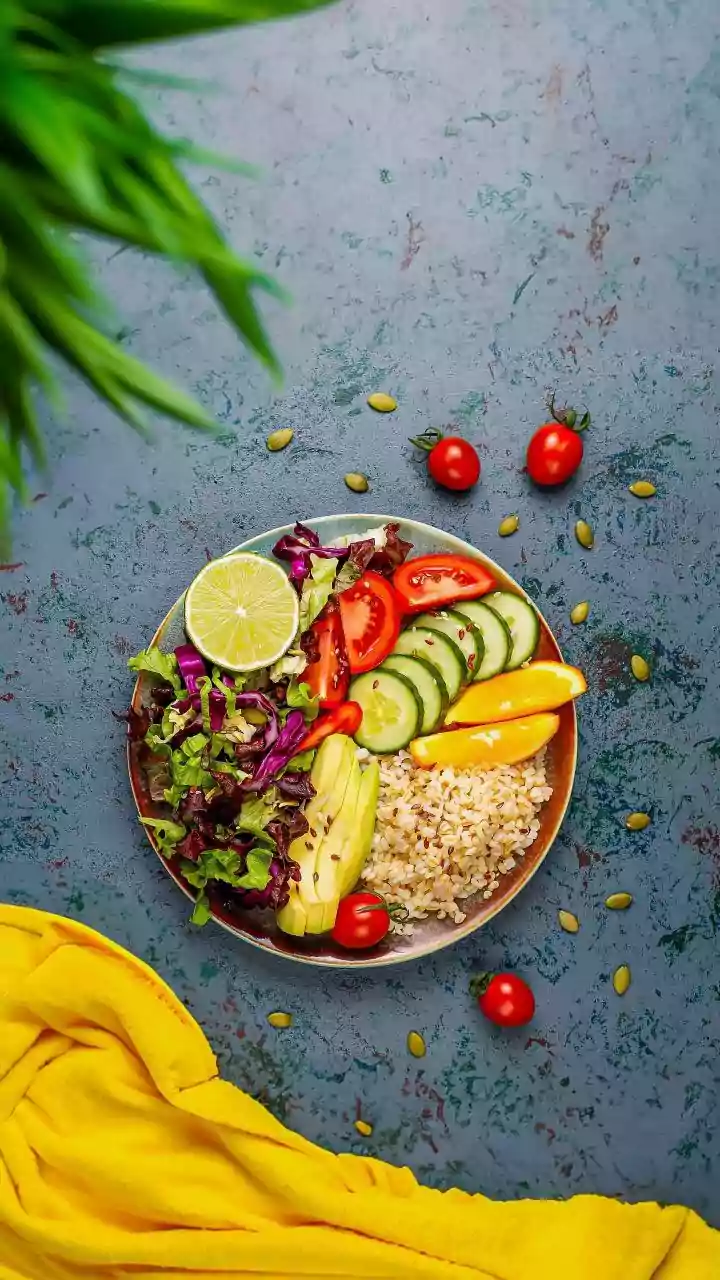
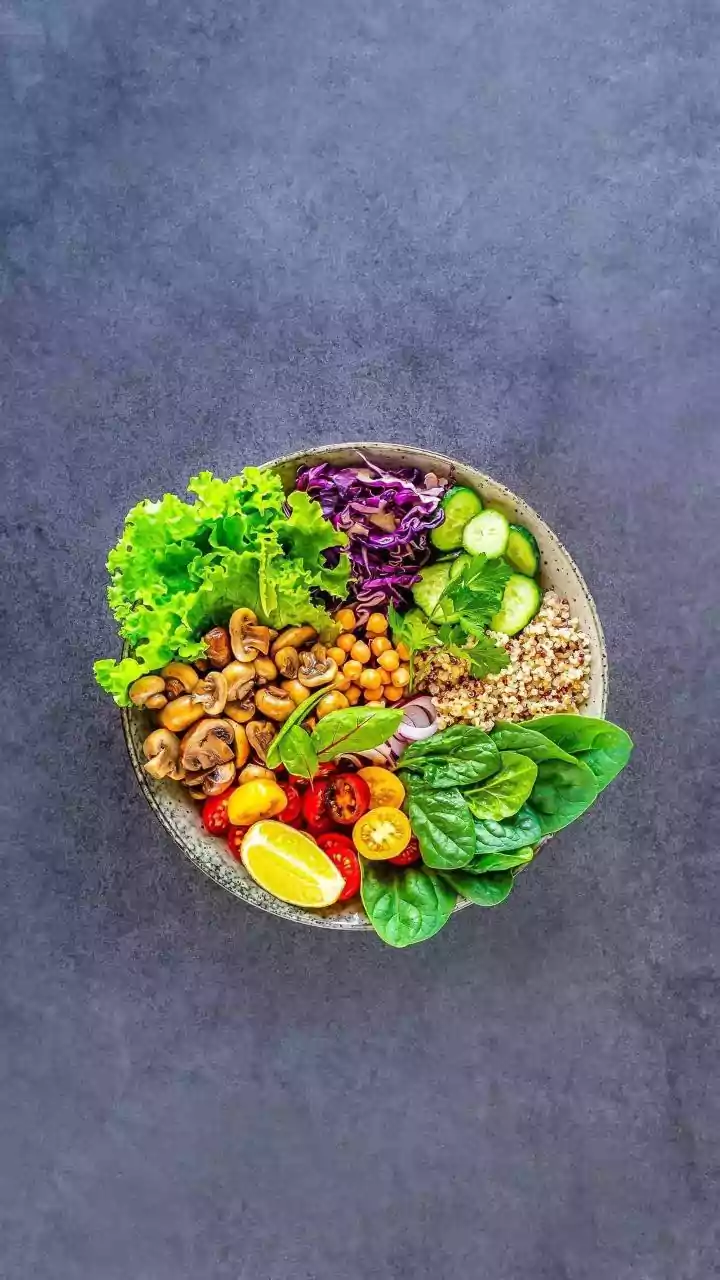
If you rely on plant-based sources for iron, this tip is a game-changer. Foods like spinach, kale, and other leafy greens are rich in non-heme iron, a form that is less readily absorbed by the body than the heme iron found in meat. However, Vitamin C dramatically enhances its absorption. A simple squeeze of lemon juice over a spinach salad or wilted kale does more than just brighten the flavor; it helps your body access and use that vital iron. The zesty acid also cuts through any bitterness in the greens, making them taste fresher and more vibrant. This simple culinary reflex—adding a splash of citrus to your greens—is a perfect example of making your plate work harder for you.
4. Beans & Rice: The Complete Protein
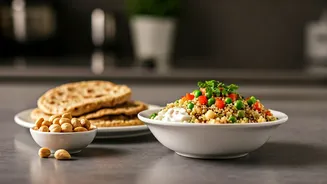
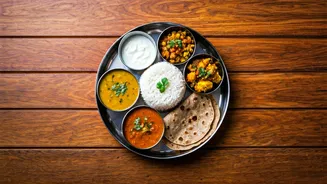
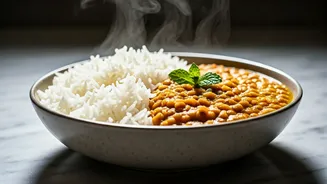
Found in cuisines across the globe, from Latin America to India, the combination of beans and rice isn't just a happy accident of agriculture; it's a nutritional masterpiece. Most plant-based foods are “incomplete” proteins, meaning they lack one or more of the nine essential amino acids our bodies can't produce. Grains like rice are typically low in the amino acid lysine, while legumes like beans are low in methionine. Eaten together, they complement each other perfectly, forming a “complete” protein that provides all the building blocks your body needs. This synergy makes a humble plate of beans and rice a surprisingly powerful, satisfying, and deeply nourishing meal—the definition of affordable, everyday premium.
5. Green Tea & Citrus: The Antioxidant Enhancer
Green tea is famous for its catechins, a type of antioxidant that can be somewhat unstable in our digestive system. Research from Purdue University found that adding citrus juice—like lemon, lime, or orange—helps stabilize these delicate compounds, making them more available for your body to absorb. Adding a slice of lemon to your cup of green tea can preserve more of its catechins, boosting its health benefits. From a taste perspective, the bright, acidic notes of citrus provide a perfect counterpoint to the grassy, sometimes astringent flavor of green tea, creating a more balanced and refreshing brew. It's a simple, elegant upgrade to your daily cup.