




1. Swap Heavy Meats for Fresh Seafood
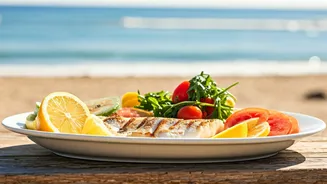
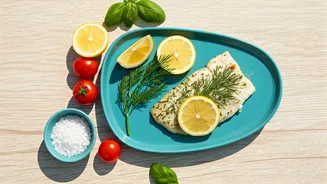
The most fundamental principle of coastal eating is celebrating what comes from the water. Instead of dense, fatty burgers or steaks, think about flaky, quick-cooking fish. A whole branzino or snapper stuffed with lemon and herbs, a firm swordfish steak seared
on the grill, or simple shrimp skewers take minutes to cook and feel infinitely lighter. The key is the cooking method: grilling, broiling, or pan-searing requires minimal oil and locks in the seafood’s natural, delicate flavor. Even classics can get a coastal refresh. A New England lobster roll, for instance, can be made with a light touch of lemon and herbs instead of a heavy mayonnaise dressing, served in a butter-toasted bun for a perfect balance of richness and brightness.
2. Let Citrus Do the Heavy Lifting
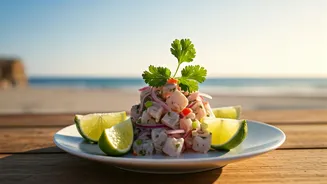
In coastal kitchens, citrus is more than a garnish; it’s a foundational tool. A generous squeeze of lemon or lime can awaken the flavor of grilled fish, cut through the richness of an avocado, or form the base of a vibrant dressing. Acidity brightens everything it touches, tricking our palate into perceiving a dish as lighter and more refreshing. Try marinating chicken or fish in a simple mix of olive oil, garlic, and the juice and zest of an orange or lime. This not only tenderizes the protein but also infuses it with flavor, reducing the need for heavy sauces. For a truly coastal experience, try your hand at ceviche, where citrus juice effectively “cooks” raw fish, creating a zesty, protein-packed dish that’s the definition of a no-sweat summer meal.
3. Use Fresh Herbs as a Main Ingredient
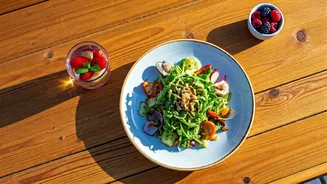
Forget a timid sprinkle of dried parsley. Coastal cooking uses fresh herbs by the handful, treating them less like a seasoning and more like a vegetable. A salad made from tender lettuce, heaps of fresh mint, cilantro, and basil tastes like summer in a bowl. Sauces, too, get a green makeover. Instead of a creamy béarnaise or a heavy gravy, opt for an Argentine chimichurri packed with parsley and oregano, or a classic Italian pesto. These vibrant, herb-based sauces deliver a powerful punch of flavor with very little fat, perfectly complementing simply grilled meats and fish.
4. Rethink Your Side Dishes
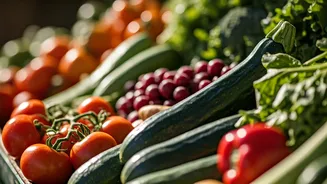
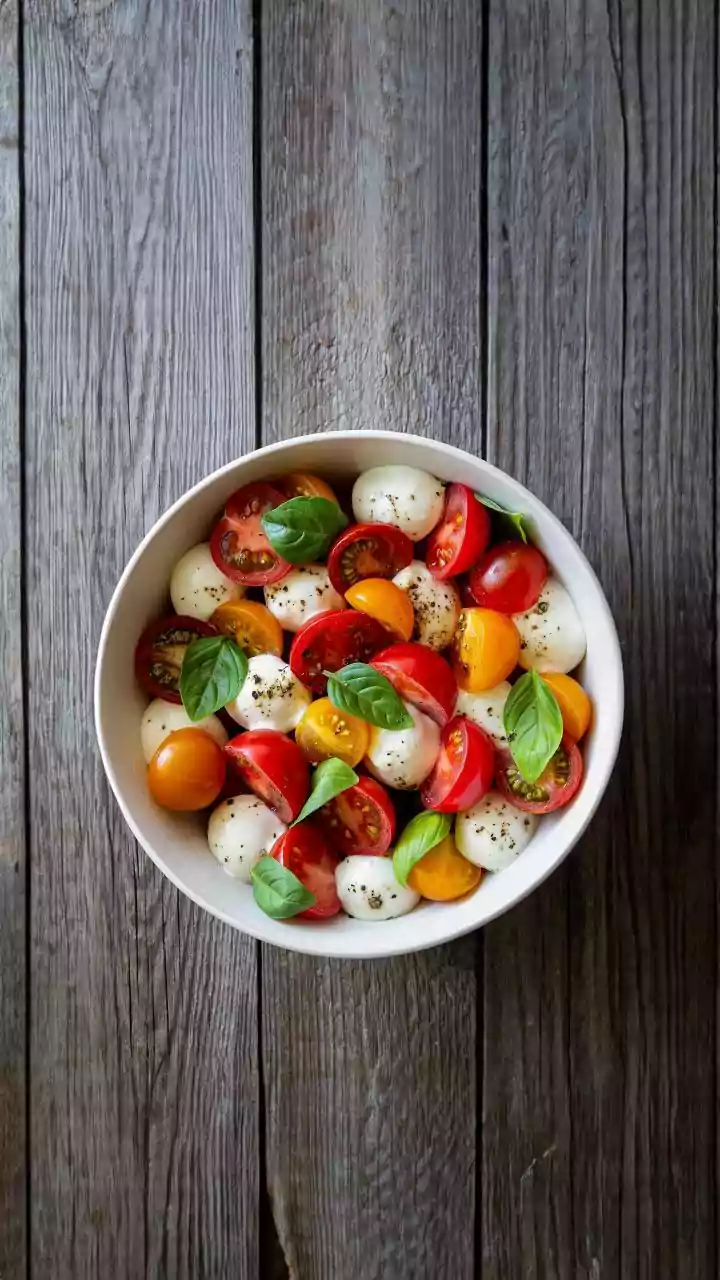
The classic potato salad, swimming in mayonnaise, is a prime culprit of the post-meal slump. A coastal approach reimagines sides with a focus on fresh produce. Swap the mayo for a tangy, vinegar-based German-style potato salad, or better yet, grill the vegetables. Asparagus, zucchini, bell peppers, and red onion all become sweet and tender on the grill with just a drizzle of olive oil. Corn on the cob can be slathered in a mix of lime juice, chili powder, and cotija cheese for a Mexican street corn vibe instead of butter. A simple salad of sliced tomatoes, cucumbers, and red onions with a red wine vinaigrette is a perfect, crisp counterpoint to any grilled main.
5. Embrace Fruit in Savory Dishes
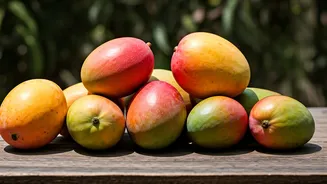
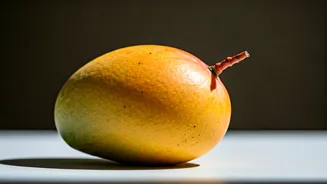
Along the coasts of Florida, California, and the Gulf, tropical and stone fruits frequently find their way into savory dishes, adding a surprising sweetness and acidity. A simple salsa made with diced mango, red onion, cilantro, and jalapeño is a classic pairing for grilled mahi-mahi or chicken. Grilled peaches or pineapple add a smoky sweetness to salads or pork chops. A watermelon, feta, and mint salad is the ultimate refreshing side that’s substantial enough to be a light main course. This blend of sweet and savory is a hallmark of warm-weather eating, creating complex flavors that keep meals interesting and light.