





The Old Travel Map Is Obsolete
For decades, the rhythm of domestic travel in India was predictable. Summer holidays, from April to June, meant family trips. Major festivals like Diwali dictated another travel boom. Destinations were chosen for their cultural, religious, or historical
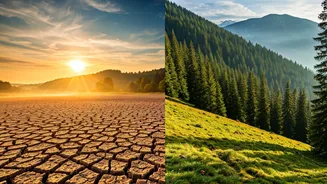
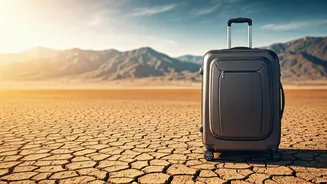
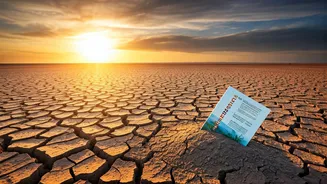
significance. A trip to the majestic forts of Rajasthan, a visit to the Taj Mahal in Agra, or a tour of the temples in the southern plains—these were staples of the Indian tourist trail. The heat was always a factor, but it was a manageable one, an accepted part of the experience. That acceptance is rapidly evaporating. As climate change intensifies, what was once uncomfortable heat has become life-threatening. With temperatures in cities like Delhi and across the northern plains frequently soaring past 110°F (43°C) and sometimes touching 120°F (49°C) for weeks on end, the old travel calendar is being shredded. Travel companies report a seismic shift in consumer behavior. The primary search filter is no longer just price or proximity; it’s temperature. The question has changed from “Where should we go for the holiday?” to “Where can we go to escape the heat?”
The Great Migration to the Mountains
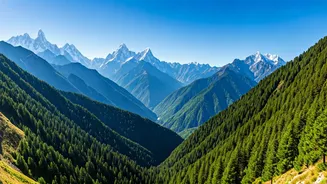
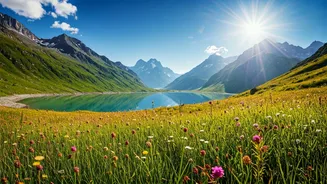
The answer, for millions, is up. India’s Himalayan states—Himachal Pradesh, Uttarakhand, and the region of Kashmir—have become the country's collective air conditioner. Once considered summer retreats for a smaller, more adventurous crowd, these “hill stations” are now inundated with what locals call “heat refugees.” Travel booking platforms have seen searches for destinations like Manali, Shimla, and Nainital skyrocket by as much as 40-60% during heatwave periods. But this mass exodus comes at a cost. The fragile mountain ecosystems and the towns built within them were never designed for this level of tourism. The result is a paradox: people fleeing urban chaos are creating it anew in the mountains. Hours-long traffic jams clog narrow mountain roads, a phenomenon previously reserved for major cities. Local authorities are grappling with acute water shortages as the influx of tourists strains resources. Hotels are fully booked, but the infrastructure supporting them is cracking under the pressure, leading to waste management crises and environmental degradation.
Economic Fallout in the Plains
While the mountains are overwhelmed, a different crisis is unfolding in the plains. The traditional tourist heartlands of Rajasthan and the “Golden Triangle” (Delhi, Agra, Jaipur) are experiencing an unnervingly quiet summer. The blistering heat is effectively extending the off-season, hollowing out what used to be a reliable period for tourism revenue. Hotels in cities like Jodhpur and Jaipur report alarmingly low occupancy rates. Tour guides, taxi drivers, and artisans who depend on a steady stream of visitors are facing a devastating income crunch. This economic dislocation is a direct consequence of the climate shift. A destination’s primary asset—be it a world-famous monument or a unique cultural experience—is rendered almost inaccessible when the simple act of stepping outside becomes a health hazard. For a region whose identity and economy are deeply intertwined with tourism, the heat isn't just rewriting travel plans; it's threatening livelihoods that have been built over generations.
A New Calendar for a New Climate
In response, the entire concept of seasonality in Indian travel is being re-engineered. The industry is desperately trying to adapt. Travel agencies are no longer just selling destinations; they're selling climate resilience. New marketing pushes are emerging for the “shoulder seasons”—periods just before or after the peak monsoon rains (July-September), which were once considered undesirable for travel. Now, the lush, green, and relatively cool monsoon landscape is being rebranded as a feature, not a bug. This shift also includes promoting coastal areas that benefit from sea breezes or previously overlooked destinations in the cooler south. It’s a nationwide scramble to redraw the tourist map in real time. For travelers, it means a new calculus involving microclimate research, weather app vigilance, and a willingness to trade a famous landmark for the simple comfort of a tolerable temperature. The classic bucket list is being replaced by a more practical, climate-aware itinerary.