






From Akharas to Air-Conditioned Gyms
For centuries, physical culture in India was epitomized by the *akhara*, a traditional wrestling pit where men built functional strength through calisthenics and grappling. It was communal, earthy, and deeply rooted in tradition. Today, that world feels
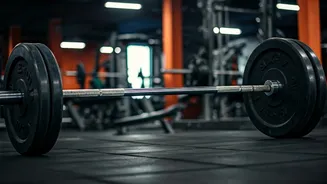
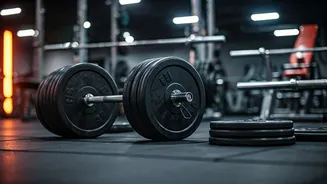
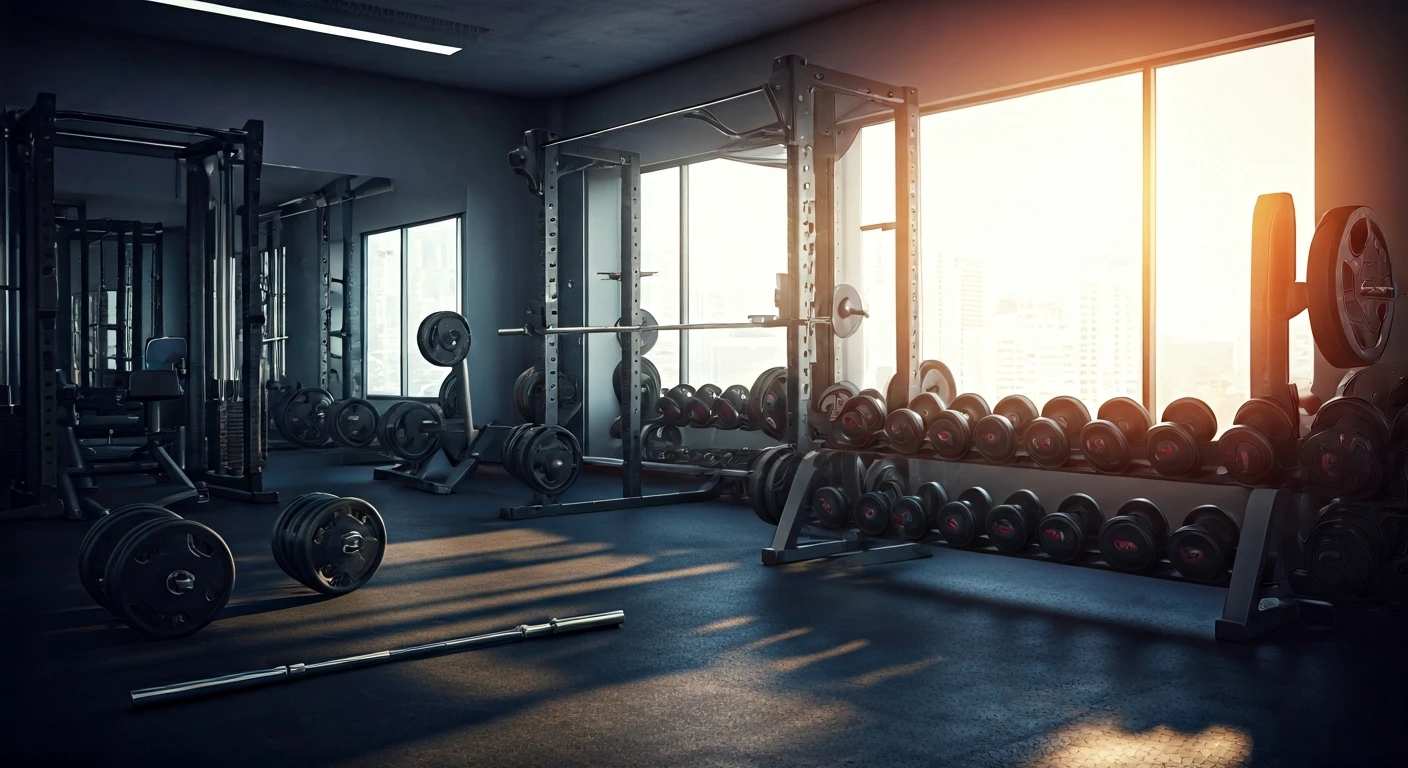
a galaxy away from the neon-lit, air-conditioned gyms popping up in every major Indian metropolis. The new temples of fitness are global chains like Gold’s Gym and Anytime Fitness, alongside homegrown startups, catering to a young, urban, and upwardly mobile clientele. This isn't just a change in venue; it's a fundamental shift in philosophy. The focus has moved from collective, functional training to individualized, aesthetic-driven strength training. The goal is no longer just to be strong, but to *look* strong, sculpted by deadlifts, squats, and bench presses.
The Instagram-Driven Ideal
Much of this transformation is being fueled by the device in everyone’s pocket. For young Indians, Instagram and YouTube are not just social networks; they are instruction manuals for a new way of life. Global fitness influencers and Hollywood physiques have created a universal, borderless ideal of the toned, muscular body. But the real engine of growth is local. Indian fitness influencers, some with millions of followers, post workout routines, diet tips, and transformation pictures that feel far more attainable than a celebrity’s. They’ve localized the global #fitspo trend, demonstrating that a chiseled body isn't just for movie stars in Mumbai or actors in Los Angeles. It’s for the 22-year-old software engineer in Bangalore or the college student in Delhi. This digital exposure has demystified weightlifting and turned it into an aspirational, and highly visible, lifestyle choice.
A New Middle-Class Status Symbol
In a country where a rising middle class has more disposable income than ever before, spending patterns are a powerful indicator of cultural change. A gym membership, which can cost anywhere from $20 to over $100 a month, is a significant expense for many. It has become a modern status symbol—an investment in oneself that signals aspiration, discipline, and a Western-inflected modernity. It’s a package deal. Along with the gym fees come protein supplements, branded athletic wear, and specialized diets. The Indian fitness market is booming, with analysts projecting double-digit annual growth. This spending isn't frivolous; it's a public declaration of joining a new global consumer class that values wellness and self-improvement as core tenets of a successful life.
Redefining Strength for Men and Women
This trend is also rewriting long-held ideas about gender and the body. For young Indian men, the muscular physique is a new form of masculine currency, moving beyond traditional markers of success like a stable job or family status. It's about projecting power and confidence in a competitive urban landscape. The change is even more profound for women. Historically, the ideal for Indian women was often slender and delicate. Weightlifting was seen as masculine, with fears it would lead to a “bulky” physique. Now, a growing movement of women is embracing strength training for empowerment. The mantra has shifted from “get skinny” to “get strong.” Lifting heavy is an act of rebellion against outdated beauty standards, a way to claim ownership of their bodies and project physical and mental resilience. It’s a visible sign that women are not just participating in this new culture, but actively reshaping it.