

The Dinner Party as a Main Character
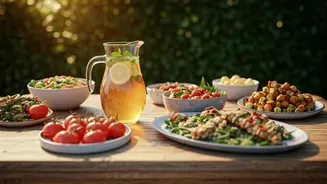
For many millennials, the dinner party was a casual potluck. For Gen Z, it’s a themed, highly curated event complete with a niche dress code and a bespoke playlist. Think “Mamma Mia Summer,” “Mid-Century Meltdown,” or even a hyper-specific “Red-Flag-themed”
gathering where everyone brings a dish representing a dating deal-breaker. The goal isn’t just to share a meal; it’s to create a memorable, immersive experience worth documenting. This isn't about expensive ingredients or culinary perfection. It's about collaborative world-building with friends, turning a simple get-together into an inside joke made real. In a world of digital disconnection, these elaborate parties are a high-effort statement about the value of in-person community.
The Rise of 'Girl Dinner'
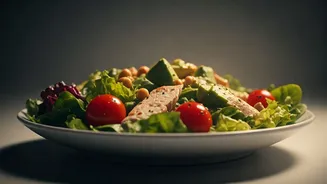
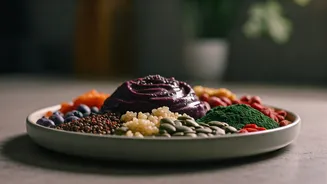
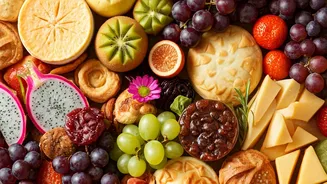
Perhaps the most viral example of Gen Z’s food philosophy is “girl dinner.” Don’t let the name fool you; it's a concept for everyone that celebrates the chaotic, low-effort beauty of a snack plate meal. A bit of cheese, some crackers, a handful of olives, a stray pickle, maybe some grapes—it’s a meal of curated components rather than a single cooked dish. What makes it “extra” is the self-aware performance of it all. It’s presented on TikTok with a whimsical, almost medieval-peasant-like audio, transforming a simple act of grazing into a shared cultural ritual. It’s an aesthetic rejection of the pressure to cook a “proper” meal every night, embracing intuition and ease while still making it look good.
Lunch Boxes That Double as Art
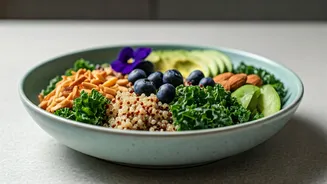
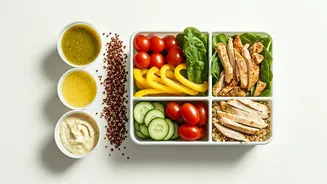
The brown paper bag is dead. Gen Z has elevated the packed lunch into a form of meticulous self-expression. Scroll through social media and you’ll find a universe of aesthetically pleasing bento boxes and neatly organized containers, each compartment holding a perfectly portioned, visually appealing component. It’s meal prep, but with a degree in graphic design. Cut-up sandwiches are arranged artfully, fruits and veggies add pops of color, and tiny containers hold dips and dressings. This isn’t just about being organized; it’s about romanticizing daily routines. The act of preparing and packing the lunch is as important as eating it, providing a moment of mindful creativity in an otherwise hectic day—and, of course, creating satisfying content for a "pack my lunch with me" video.
Cooking Is the Content
For previous generations, the recipe was the point. You followed it to get to the finished dish. For many Gen Z creators, the process itself is the main attraction. Food content has shifted from polished, top-down Tasty-style videos to first-person, ASMR-heavy narratives. The gentle sizzle of garlic in oil, the rhythmic chop of a knife, the creator’s quiet voiceover sharing a personal story—it's all part of the appeal. Cooking is less a chore and more a therapeutic practice and a storytelling medium. The final dish is almost secondary to the cozy, satisfying journey of making it. This turns the kitchen from a place of labor into a creator’s studio, where every meal is a potential mini-masterpiece of sight and sound.
The 'Third Place' Is Now a Grocery Store
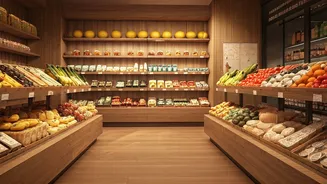
While not a meal plan, the choice of where to shop has become a defining part of the food experience. For many young people, the grocery store—specifically stores like Trader Joe's or regional favorites with a cult following—has become a “third place,” a social hub outside of home and work. Shopping trips are documented like exciting excursions, with creators showcasing their “hauls” and reviewing the latest seasonal products. It’s a low-cost social activity that combines errand-running with discovery and entertainment. This ritualizes the act of stocking the pantry, transforming it from a mundane task into a shared cultural hobby, where your grocery choices are a signal of your taste and personality.