


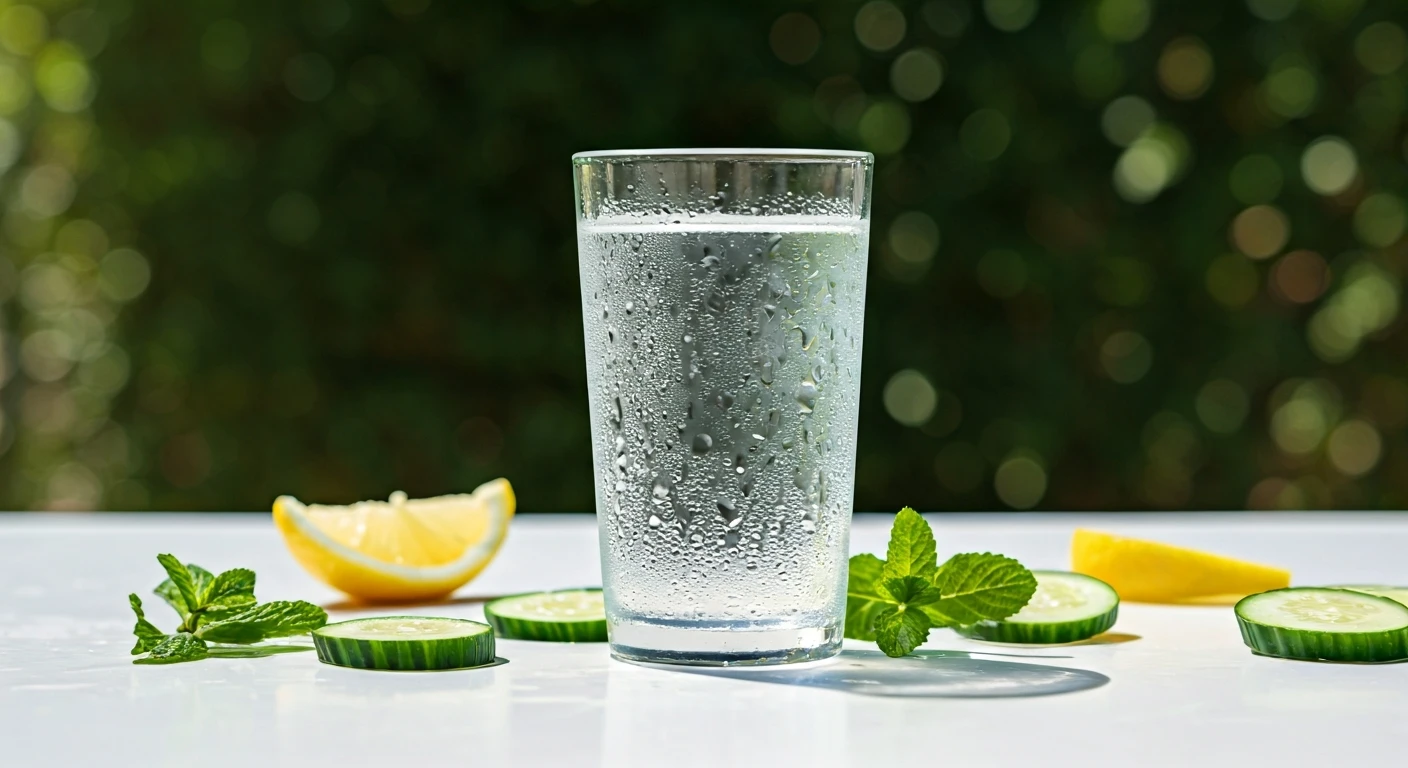
The Foundation: Strategic Hydration
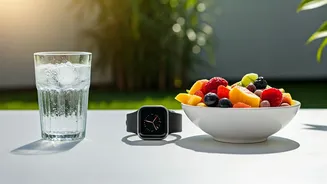
When we talk about hydration, the conversation often begins and ends with “drink eight glasses of water.” In the summer, that’s just the starting line. Heat and sweat accelerate fluid loss, and with it, essential electrolytes like sodium and potassium.
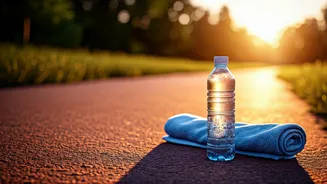
True hydration is about replacement, not just volume. For an average day, consistently sipping water is effective. But if you’re spending time outdoors or exercising, you need a more strategic approach. Don’t wait until you’re thirsty—thirst is an early sign of dehydration. Start hydrating before you go out and continue at regular intervals. For every hour of moderate activity in the heat, you may need to replenish more than you think. Consider drinks that contain electrolytes, especially if you’re sweating profusely for more than an hour. You can find them in sports drinks, but also in coconut water or by adding a pinch of salt and a squeeze of lemon to your water bottle. Pay attention to the color of your urine; pale yellow is the goal. Dark yellow or amber means you’re already falling behind.
Fueling for the Heat: Your Summer Meal Plan
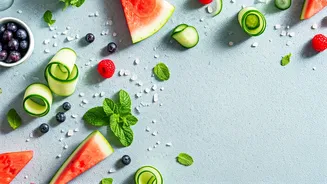
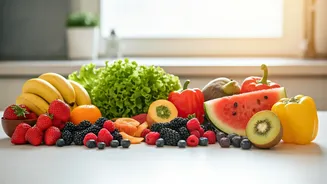
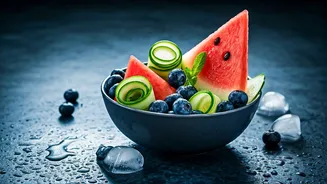
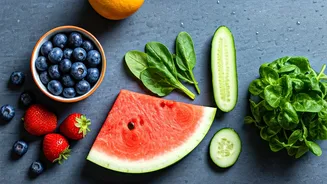
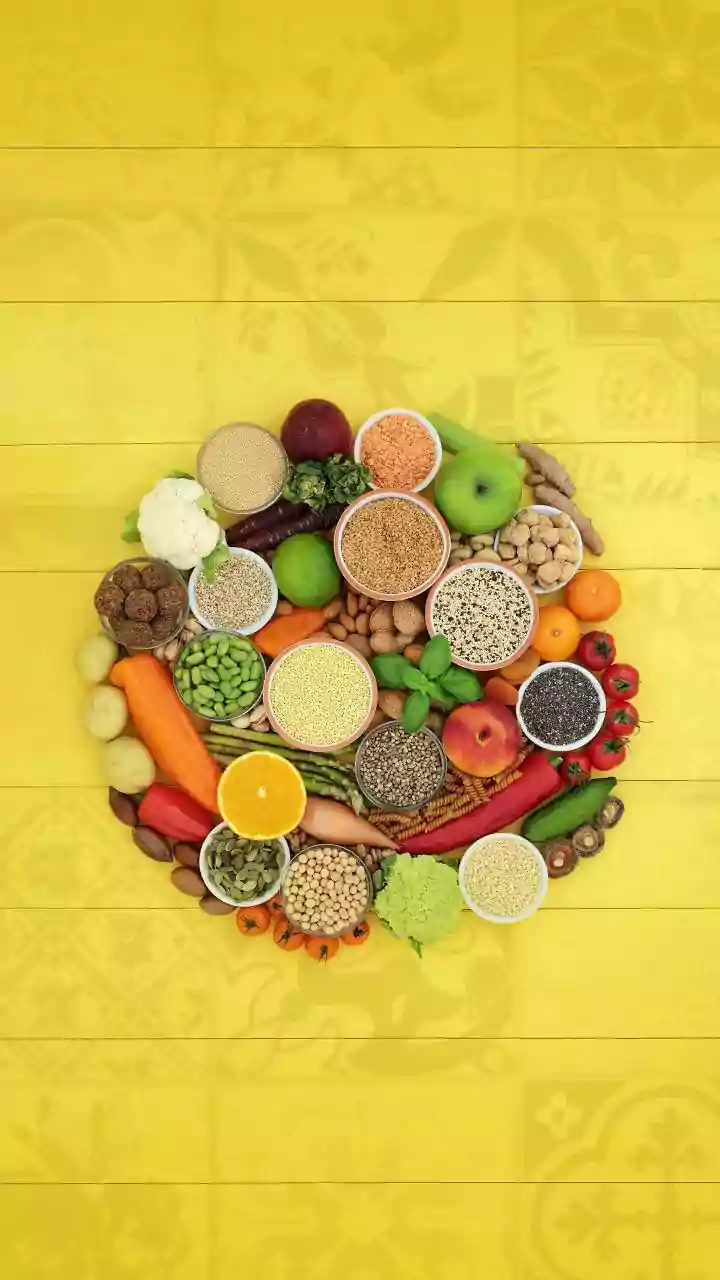
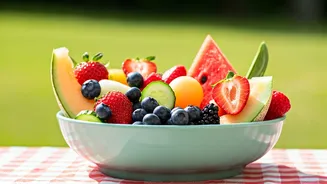
What you eat has a profound impact on how your body handles heat. Digestion is a metabolic process that generates internal warmth. Large, heavy meals rich in fats and protein require more energy to break down, effectively turning up your internal furnace when the outside world is already scorching. The summer survival diet is one of lightness and hydration. Prioritize foods with high water content. Think cucumbers, celery, watermelon, strawberries, and cantaloupe. These not only provide hydration but also deliver vitamins and minerals lost through sweat. Salads, cold soups like gazpacho, and grilled vegetables are your best friends. These meals are easier to digest and won't leave you feeling sluggish and overheated. It’s also wise to favor smaller, more frequent meals over three large ones. This keeps your digestive system from being overworked and helps maintain stable energy levels without causing spikes in body temperature. Avoid excess caffeine and alcohol, as both are diuretics that can contribute to dehydration.
The Master Key: Timing Your Day
Hydration and nutrition are powerful tools, but their effectiveness is maximized when combined with smart timing. Your daily schedule is your most crucial defense against the worst of the summer heat. The sun is typically at its most intense between 10 a.m. and 4 p.m. Whenever possible, schedule strenuous activities—like running, gardening, or moving furniture—for the early morning or late evening. If you must be outside during peak hours, take frequent breaks in the shade or an air-conditioned space. This allows your body’s core temperature to drop and gives you a chance to rehydrate. Timing your meals is also part of this strategy. A heavy lunch at 1 p.m. on a 95-degree day is a recipe for an afternoon crash. Opt for a lighter lunch and save your larger meal for the cooler evening hours, when your body can process it more comfortably. By thinking of your day as a timeline of energy expenditure and heat exposure, you can proactively manage your risk instead of simply reacting to symptoms of heat exhaustion.