

How We All Went Grey
For the better part of a decade, grey wasn't just a color; it was a lifestyle. Dubbed 'Millennial Grey,' it dominated Pinterest boards, HGTV renovation shows, and real estate listings. Its appeal was obvious. For home flippers and developers, it was the perfect
neutral—a clean, modern, and inoffensive canvas that supposedly appealed to everyone. It felt more sophisticated than builder’s beige and created a seamless, minimalist backdrop for the then-popular modern farmhouse aesthetic. Grey suggested order, calm, and a kind of Scandinavian-inspired simplicity that many people craved. It was safe, easy to coordinate, and photographed beautifully for Zillow, becoming the unofficial uniform of the move-in-ready home.
The Great Grey Burnout
But what feels clean and modern to one person can feel cold and sterile to another. After years of seeing the same grey-on-greige palette everywhere from new-build condos to dentist waiting rooms, a collective fatigue set in. The very thing that made grey popular—its neutrality—became its biggest weakness. Homes started to look identical, stripped of the personality and warmth that make a space feel truly lived-in. The trend became a punchline on social media, with viral posts mocking the 'sad beige baby' aesthetic and the bleak, colorless landscapes of homes for sale. Psychologically, the pandemic accelerated the burnout. As people spent more time confined to their homes, the sterile, institutional feel of an all-grey interior began to feel less like a sanctuary and more like a stylish prison. We craved comfort, coziness, and joy—things that stark grey struggles to deliver.
What's Next: Enter Dopamine Decor
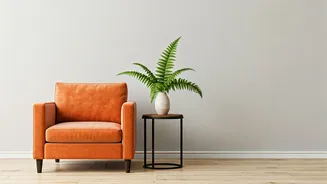
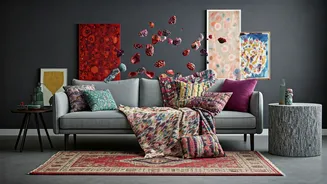
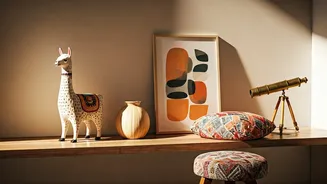
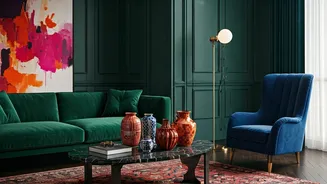
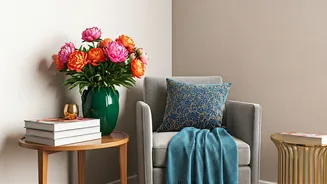
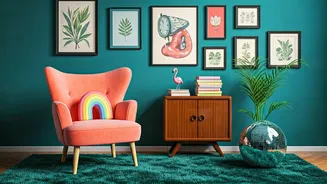
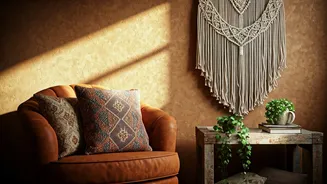
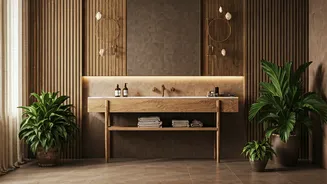
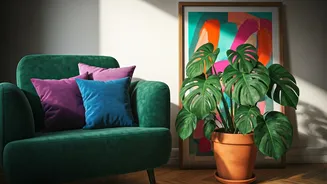
The antidote to grey is, in a word, everything else. The design world is pivoting hard toward warmth, texture, and personality. This isn’t about one single color replacing another; it's about a broader philosophy. Say hello to warm neutrals like creamy whites, mushroom, and rich beige. Earth tones are having a major moment, with shades of terracotta, olive green, and deep browns grounding our spaces. More than that, homeowners are getting permission to be bold again. 'Dopamine decor' is the new buzzword, encouraging the use of colors and objects that bring you genuine joy. Think saturated jewel tones, playful patterns, and a mix-and-match approach that feels collected over time rather than installed in a weekend. Paint companies' 'Color of the Year' selections are a clear indicator: they've shifted from cool neutrals to earthy greens, warm blues, and rich raspberries. The new ideal isn't a perfect, impersonal showroom; it's a home that tells your story.
Your Post-Grey Action Plan
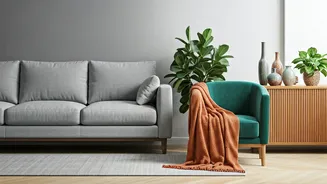
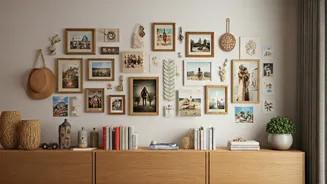
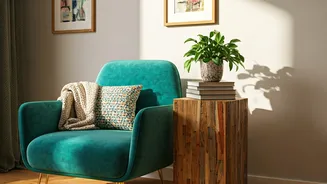
If you're reading this from your grey couch in your grey living room, don't panic. You don't need to call a contractor and gut your house. The end of the grey trend doesn't mean your home is now 'out of style'—it just means you have an opportunity to evolve. The easiest first step is to introduce warmth and color through accessories. Swap out cool silver and chrome hardware for warmer metals like brass, bronze, or matte black. Layer in textiles with rich colors and textures—think velvet pillows, a colorful area rug, or cozy wool throws. Add natural wood elements through picture frames, side tables, or shelving to break up the monochrome. And finally, consider paint. You don't have to repaint the entire house. Creating a single, bold accent wall in a deep green or navy can completely transform the feeling of a room, making the surrounding grey feel intentional and sophisticated rather than bland.