
From Home-Cooked Secret to Public Statement
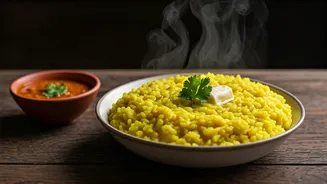
Not long ago, the idea of paying $20 for a bowl of khichdi—a modest porridge of rice and lentils, often fed to the sick or to babies—would have been laughable in many South Asian households. This was food for sustenance and soothing, not for show. Dishes
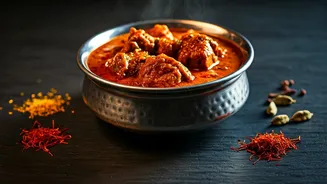
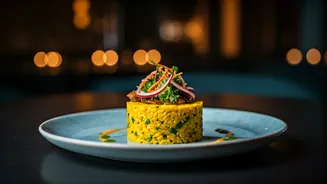
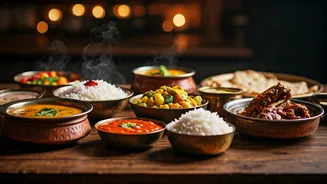
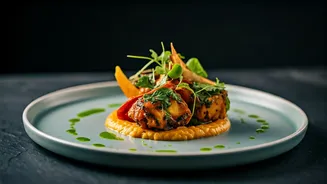
like dal (lentil stew), rajma chawal (kidney beans and rice), and aloo gobi (potato and cauliflower) were the reliable, unglamorous backbone of home cooking across the Indian subcontinent. They were nourishing and delicious, but they certainly weren't 'cool.' Fast forward to today. These very dishes are now the headliners. They’re being plated in minimalist ceramic bowls on food blogs, celebrated in viral TikToks, and served at some of the most talked-about restaurants in America. What was once a private comfort is now a public statement. This isn’t about fusion cuisine or fine-dining deconstructions; it’s about presenting these simple, soulful meals with a new kind of confidence, celebrating them for exactly what they are.
The Second-Generation Reclamation Project
So, what changed? A huge part of the answer lies with the second-generation Desi Americans who are now shaping culture. For many who grew up in the U.S., the food of their parents was a source of both comfort and conflict. They loved the flavors at home but often felt embarrassed by the 'smelly' lunches at school, enduring classmates' wrinkled noses over the aroma of cumin and coriander.
Now, that same generation is leading a reclamation project. Chefs, cookbook authors like Priya Krishna of Indian-ish, and content creators are reframing their culinary heritage not as something to hide, but as something to flaunt. They are unapologetically centering the food they were once self-conscious about, presenting it as an integral, and cool, part of their identity. This shift from shame to pride is a powerful cultural current. It’s a declaration that their experience is not just valid but aspirational.
Authenticity Over Appropriation
This moment feels different from previous flirtations with Indian food in the West. It’s not about the wellness industry isolating turmeric for golden lattes or a watered-down, one-size-fits-all 'curry' on a generic menu. Instead, it’s about specificity and soul. Restaurants like New York City’s Dhamaka have earned critical acclaim for serving 'unapologetic' regional Indian dishes, celebrating the provincial, home-style cooking that rarely makes it to restaurant menus.
The focus is on the integrity of the dish itself. The 'cool' factor isn't an added ingredient; it's embedded in the act of presenting the food honestly. It’s about celebrating the complex, pungent, and deeply satisfying flavors without trying to make them more palatable for a presumed Western audience. This is food on its own terms, and that confidence is magnetic.
The 'It-Girl' Aesthetic Meets Dal
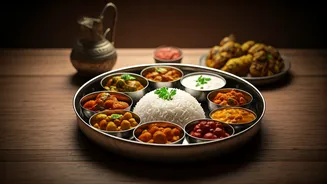
The 'cool-girl moment' isn’t just about the food; it’s about the aesthetic surrounding it. On Instagram and TikTok, a bowl of dal isn't just a meal; it's a vibe. It's served in an artfully rustic bowl, garnished with a sprig of cilantro, maybe next to a trendy magazine and a pair of chic sunglasses. The story isn't just 'here is my dinner,' but 'this is my heritage, and it's beautiful.'
This social media presentation has been crucial. It has created a visual language that transforms humble food into a covetable lifestyle choice. It connects a simple pot of lentils to a broader identity—one that is worldly, culturally aware, and in touch with its roots. The 'cool girl' of today isn't just wearing the right jeans; she’s eating the right bowl of khichdi, and she’s telling you the story behind it.