






Beyond Kibble and a Leash
The days when a pet in India simply got leftover food and a spot in the yard are rapidly fading, at least in urban centers. Today, the standard of care is being dramatically rewritten. The market is exploding with options that would seem familiar to any
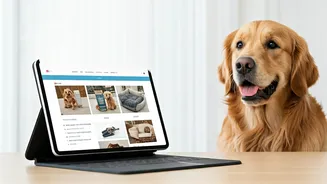
American pet owner, but represent a sea change in India. We’re talking about subscription boxes delivering curated, human-grade meals. Think fresh-cooked chicken and vegetable bowls, formulated by animal nutritionists and delivered to the door. Artisanal bakeries now offer “puppuccinos” and customized birthday cakes shaped like bones. Beyond diet, the wellness industry for pets is booming. Urban professionals are booking their furry companions for spa days that include aromatherapy massages, blueberry facials, and “pawdicures.” Tech is also playing a major role. GPS-enabled smart collars, app-controlled automatic feeders, and pet cameras that dispense treats are no longer niche gadgets but aspirational—and increasingly common—purchases for the modern Indian pet owner.
From Guard Dog to Fur Baby
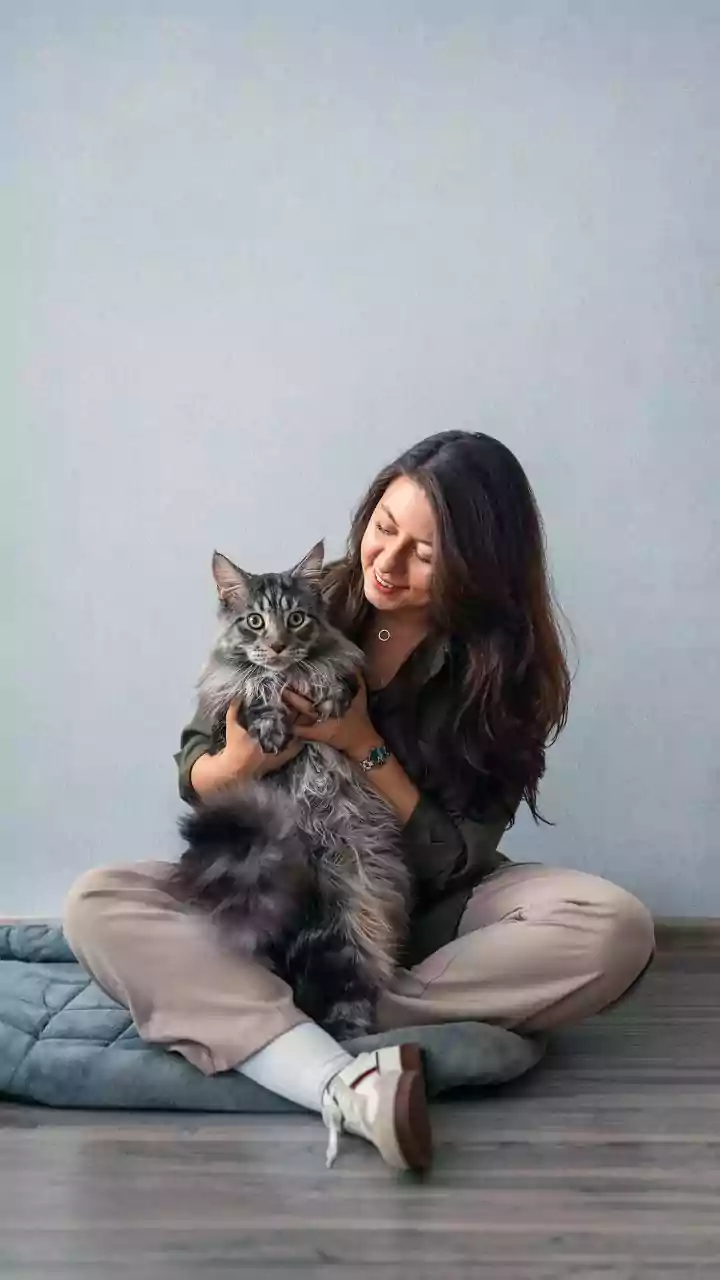
This transformation isn't just about products; it's about a fundamental cultural shift in how pets are perceived. For generations, dogs in many Indian households were kept primarily for security, living outside and playing a functional role. Cats were often seen as independent, semi-feral creatures. The emotional bond, while present, wasn't publicly expressed or commercialized. Today, a new vocabulary has taken hold. Owners are now “pet parents,” and pets are their “fur babies.” This change is driven by powerful social and demographic forces. As India has urbanized, the traditional multi-generational family living under one roof has given way to more nuclear households. Young professionals, often living alone or as couples (DINKs - Dual Income, No Kids), are delaying marriage and children. In this context, pets fill a significant emotional void, offering unconditional love and companionship in bustling, often isolating, city environments. They have been promoted from property to cherished family members.
An Economic Tail-Wagger
Where there is emotion, there is often an economy, and India’s pet care market is a textbook example. Valued at over half a billion dollars and growing at a rapid clip of over 15% annually, it’s one of the fastest-growing pet markets in the world. This surge has attracted a flood of investment. International giants like Mars Petcare (owner of Royal Canin and Pedigree) are expanding their premium offerings, while a vibrant ecosystem of domestic startups is innovating at a breakneck pace. These local companies are often nimbler, tapping directly into the desires of Indian pet parents for culturally relevant products, like treats with local ingredients or festive attire for holidays like Diwali. Venture capitalists are pouring money into everything from specialized vet chains to pet grooming services and direct-to-consumer food brands, betting that the “humanization” of pets is a long-term, high-growth trend.
The Social Media Influence
This entire phenomenon is being amplified and accelerated by social media. Instagram, in particular, has become a digital runway for the pampered pet lifestyle. “Petfluencers”—dogs and cats with tens of thousands of followers—showcase the latest trends in fashion, food, and accessories. Their owners post glossy photos of their pets on vacation, at pet-friendly cafes, and enjoying elaborate birthday parties. This creates a powerful aspirational feedback loop. Fellow pet parents see these images and are inspired to provide similar experiences for their own companions. It's no longer enough to just love your pet; there's a growing social pressure to demonstrate that love through conspicuous consumption, turning everyday care into a performance of devotion.