





Where History and Wilderness Collide
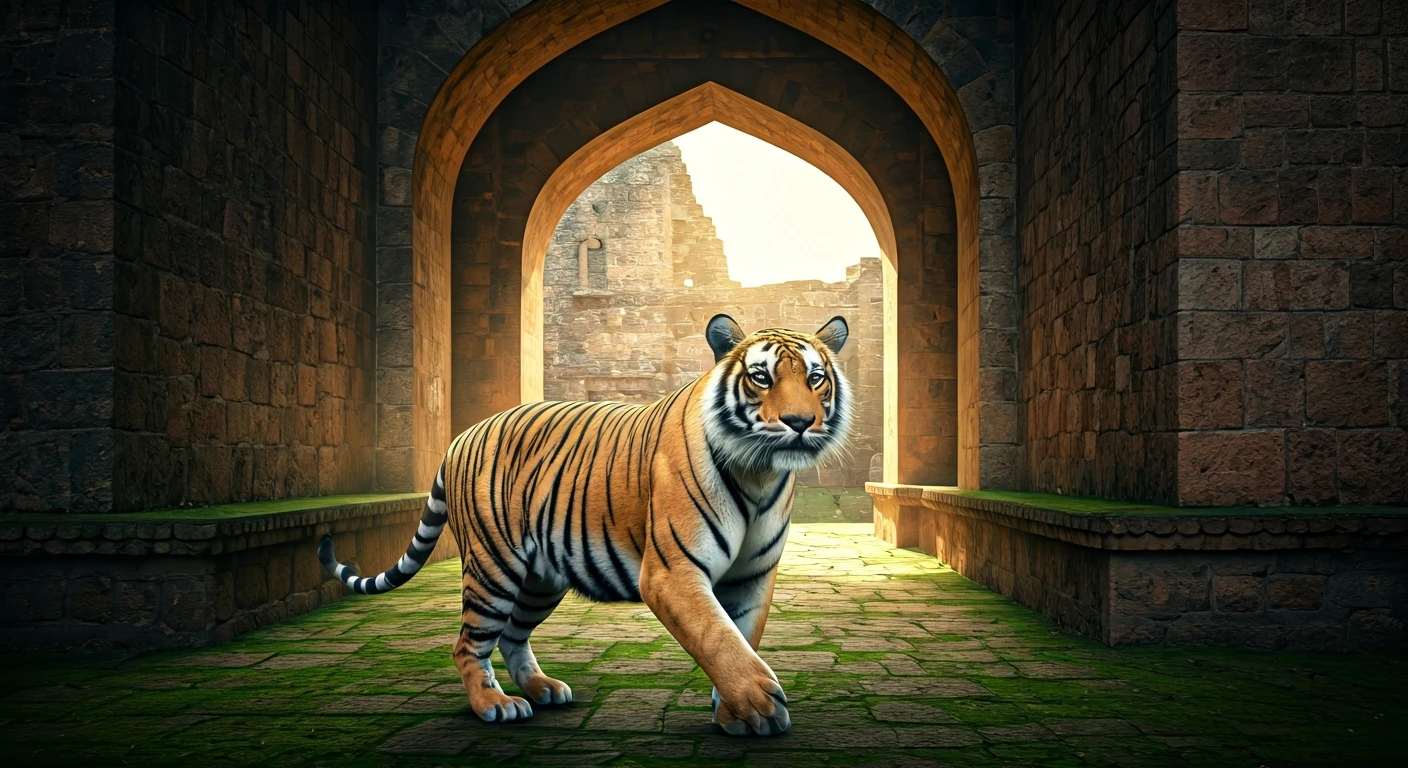
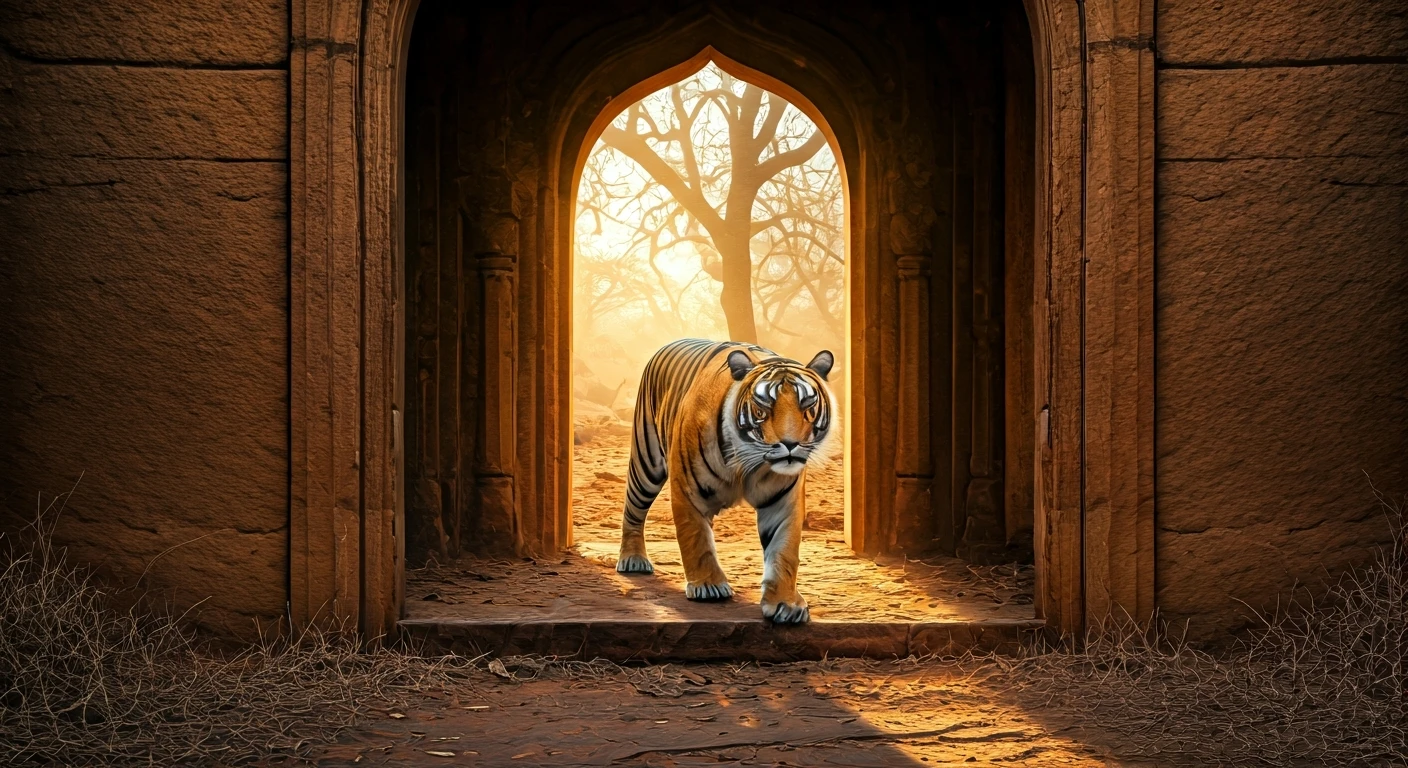
This isn't a scene from a fantasy novel; it's a real and increasingly sought-after experience in Rajasthan, India. A new breed of safari-goer, tired of choosing between culture and nature, is discovering destinations where the two are dramatically intertwined.
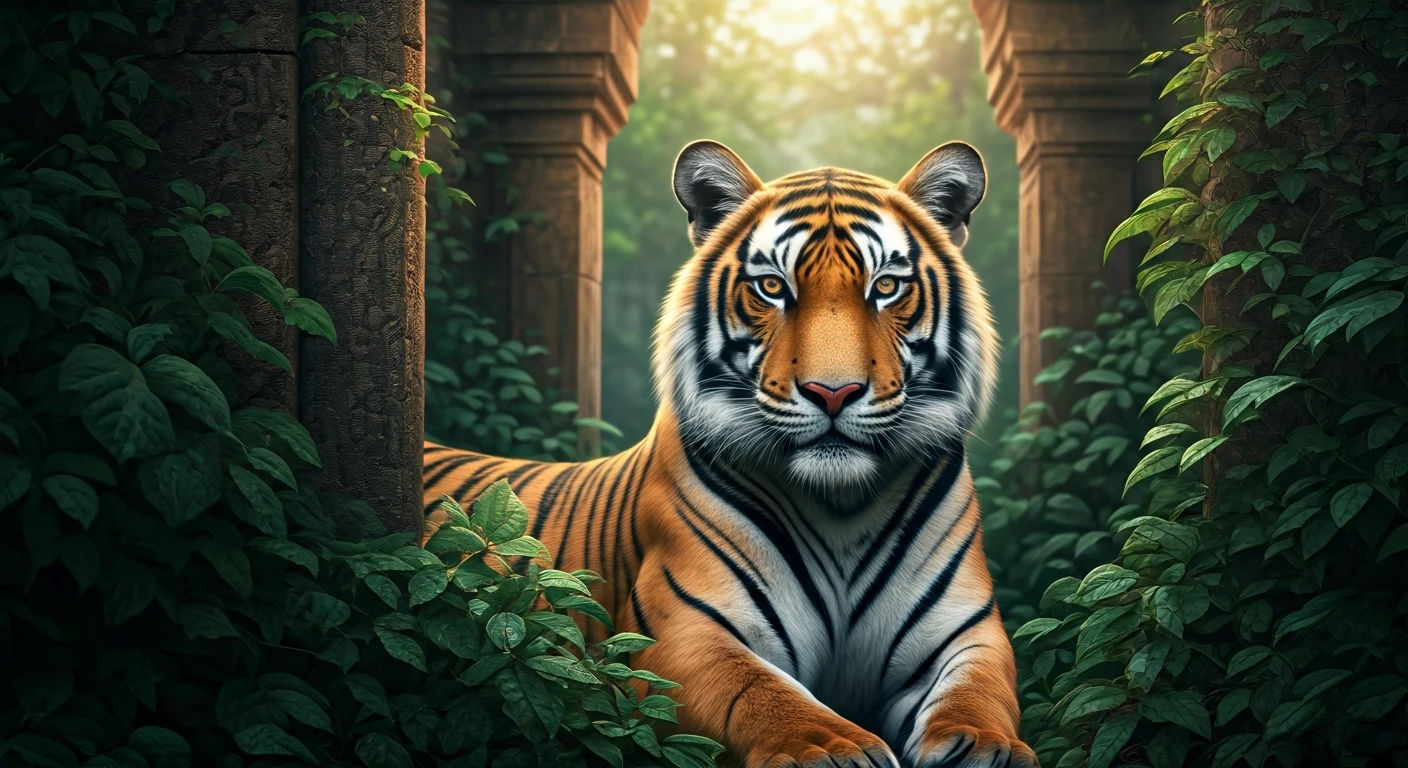
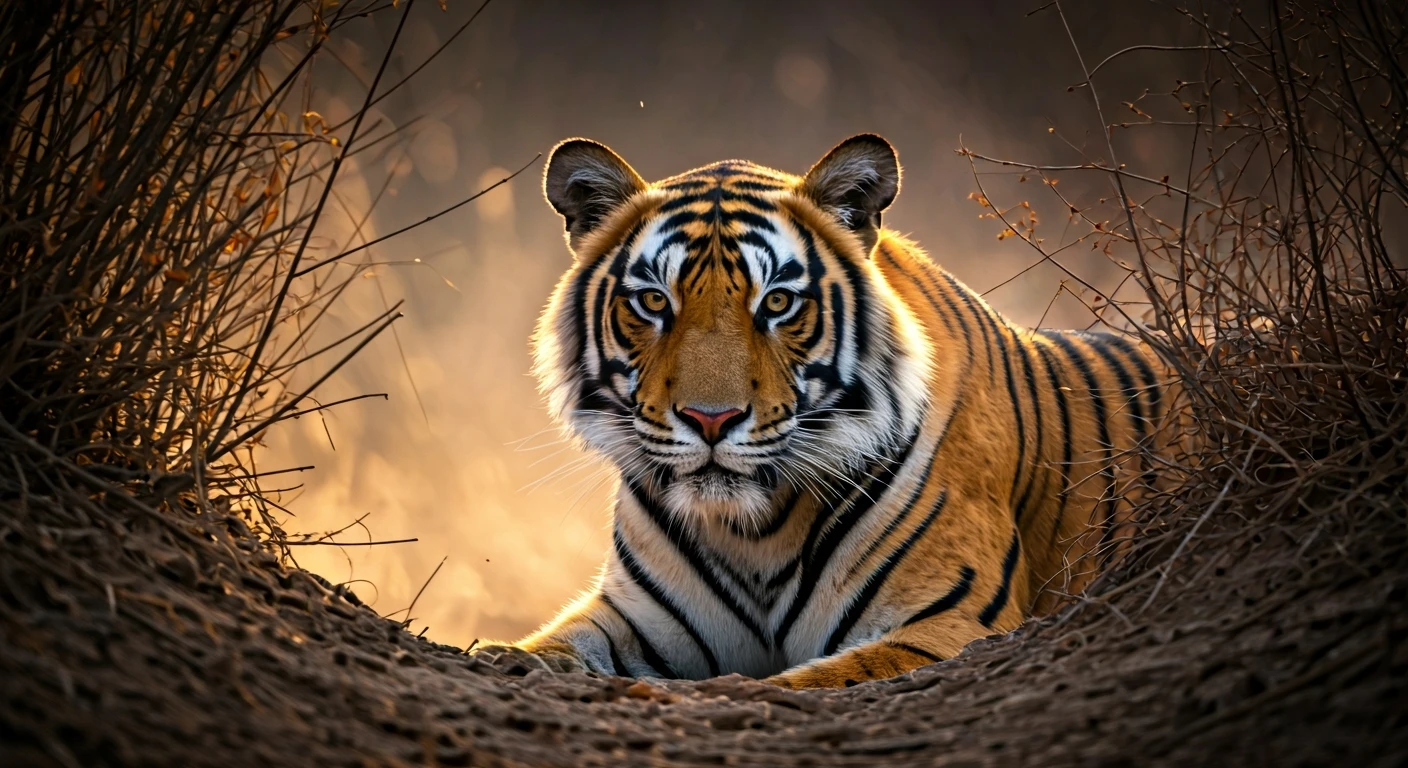
The primary draw is Ranthambore National Park, a sprawling expanse of arid forest and glassy lakes where crumbling forts, forgotten temples, and ancient hunting pavilions have been reclaimed by the jungle. Here, the world's most charismatic predator doesn't just live in the wild—it lives among the ghosts of a fallen kingdom, creating a spectacle found nowhere else on Earth.
The Fortress of the Tigers
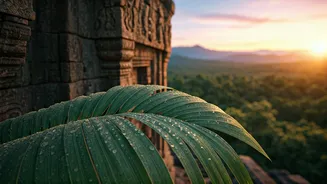
At the heart of the park looms the magnificent Ranthambore Fort, a UNESCO World Heritage site dating back to the 10th century. Perched atop a 700-foot hill, its massive stone walls, gates, and bastions once commanded the surrounding landscape. For centuries, this was a strategic prize fought over by Rajput kings and Mughal emperors. Today, its rulers are of a different kind. The fort’s decaying palaces and step-wells provide a dramatic backdrop for wildlife, and its ramparts offer panoramic views of the park below. A journey here isn’t just about spotting animals; it's a pilgrimage to a place where the line between a national park and an open-air museum has completely dissolved. The jungle has grown over and through the human-made structures, creating a stunning symbiosis of stone and root, history and nature.
A Royal Comeback
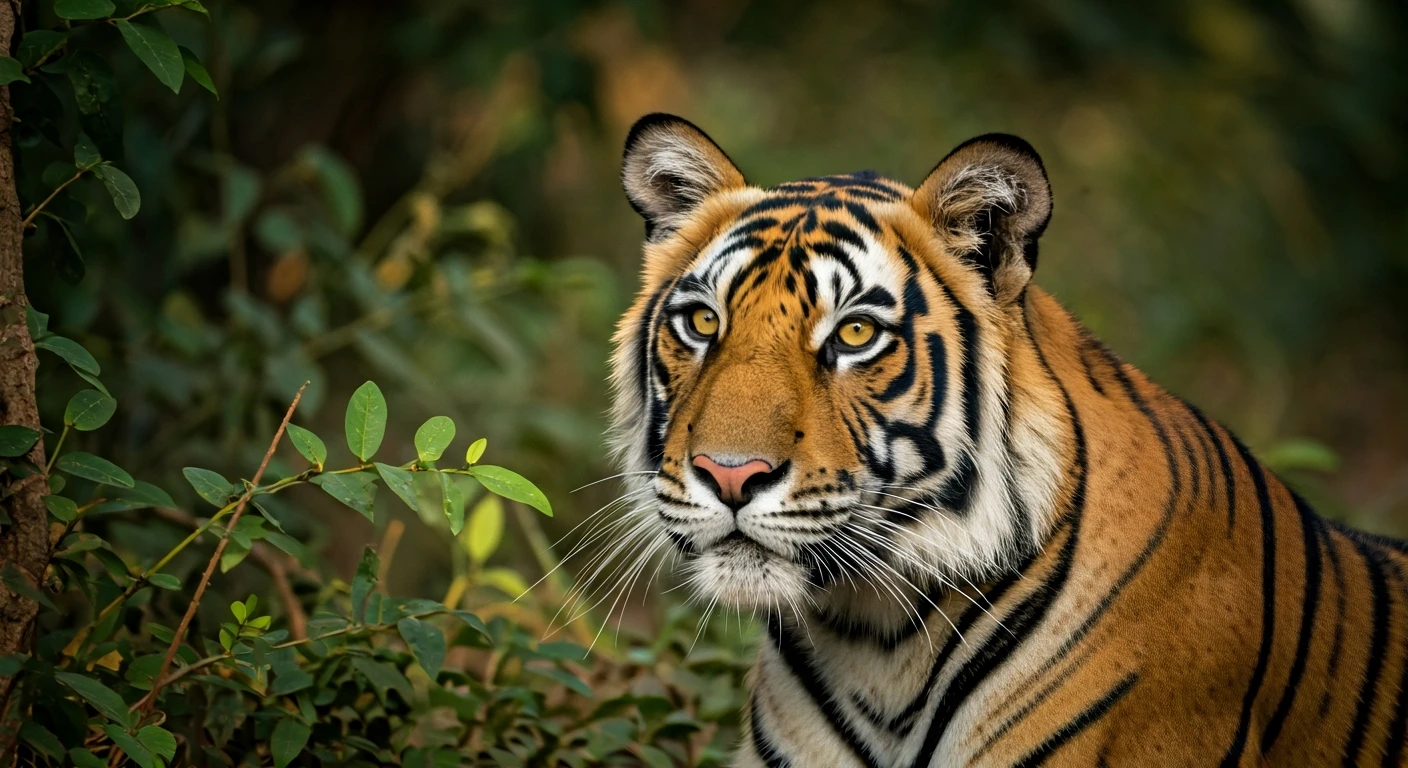
Before it was a sanctuary, this land was the exclusive hunting preserve of the Maharajas of Jaipur. They would host lavish hunts for visiting dignitaries, a practice that ironically helped protect the forest from commercial logging and settlement. After India’s independence, the area was declared a wildlife sanctuary in 1955 and became one of the original reserves under Project Tiger in 1973. This conservation effort saved the Bengal tiger from the brink of extinction. The tigers of Ranthambore, born and raised amidst the hum of safari jeeps, are famously bold. They are relatively unfazed by human presence, allowing for unparalleled photographic opportunities. It’s not uncommon to see a tiger using the cool flagstones of an old chhatri (cenotaph) to nap, or to watch cubs playing near the edge of a lake with a centuries-old pavilion sinking into its waters.
The Modern-Day Treasure Hunt
The modern safari experience in Ranthambore is a masterfully organized adventure. Visitors are assigned to one of ten zones in the park, ensuring the wilderness doesn't get overcrowded. The day starts with a pre-dawn wake-up call, a cup of hot chai, and a ride in an open-topped gypsy (jeep) or a larger canter. Expert naturalist guides, many of whom come from local families who have lived alongside the forest for generations, read the language of the jungle: a deer's alarm call, fresh pugmarks in the dust, the agitated chatter of monkeys. While the tiger is the ultimate prize, the search is an experience in itself. The park is teeming with other life, including leopards, sloth bears, sambar deer, and marsh crocodiles. Each turn in the road offers a potential discovery, set against a backdrop that feels more like an Indiana Jones film set than a typical game reserve.