
First, What Is Gulkand?
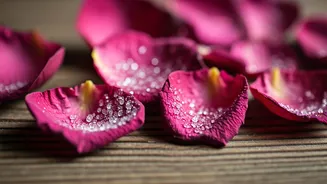
Before you start cooking, let's get acquainted. Gulkand is a sweet preserve made from rose petals and sugar, originating from the Indian subcontinent. The name itself translates to 'gul' (rose) and 'qand' (sweet). Traditionally, it’s made by layering
Damascus rose petals with sugar and slow-cooking them in sunlight, a process that can take weeks. This method creates a thick, luscious, jam-like consistency with an intensely floral, sweet, and slightly perfumed flavor profile. It's often used in Ayurvedic medicine for its purported cooling properties and is a key ingredient in paan, a traditional after-dinner breath freshener. But its culinary potential extends far beyond its traditional uses, making it a fantastic secret weapon for modern holiday kitchens.
1. The Easiest Cheesecake Upgrade
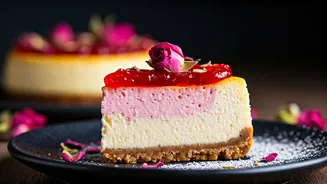
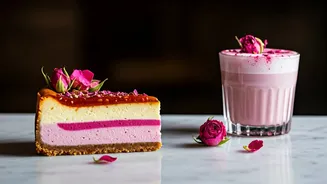
Forget cherry or strawberry toppings. A swirl of gulkand can elevate a simple cheesecake into something truly spectacular. For no-bake cheesecakes, gently fold a few tablespoons of gulkand into the cream cheese filling before setting it. The floral notes cut through the richness of the cheese beautifully. For a classic baked New York cheesecake, you can create a gulkand swirl on top before baking or, even better, serve individual cheesecake bites or bars with a small dollop of gulkand on top, garnished with crushed pistachios for color and crunch. It's an effortless touch that looks and tastes incredibly sophisticated.
2. An Aromatic Cocktail and Mocktail Syrup
Elevate your holiday bar cart with a gulkand-infused simple syrup. To make it, gently heat equal parts sugar and water until the sugar dissolves. Turn off the heat and stir in a generous spoonful of gulkand, letting it infuse for about 20 minutes before straining. This fragrant syrup is a game-changer for cocktails. Try it in a gin and tonic for a floral twist, add it to a glass of prosecco or champagne for a celebratory 'Rose Royale,' or mix it with vodka and lime juice for a fragrant spin on a gimlet. For non-alcoholic options, it’s wonderful stirred into sparkling water with a squeeze of lemon or blended into a creamy yogurt lassi.
3. The Surprising Cheese Board Condiment
Every great cheese and charcuterie board needs a sweet element to balance the salty, savory flavors. While fig jam and quince paste are classics, gulkand offers a unique and memorable alternative. Its jammy texture and floral sweetness pair exceptionally well with a range of cheeses. It's a perfect match for tangy, fresh cheeses like goat cheese or creamy ricotta. It also provides a beautiful contrast to salty, hard cheeses like aged Parmesan or pecorino. Serve it in a small bowl alongside your cheese selection and watch your guests delight in the unexpected yet perfect pairing.
4. A Filling for Festive Cookies and Pastries
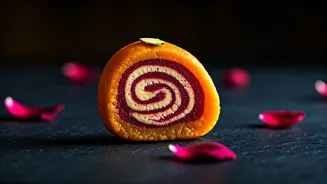
Take your holiday baking to the next level by using gulkand as a filling. It works wonderfully in thumbprint cookies, where the indentation is filled with gulkand instead of traditional raspberry jam before or after baking. You can also mix it with finely chopped nuts like almonds or pistachios to create a delicious filling for shortbread sandwich cookies or Linzer tarts. For a quicker treat, spread it between two butter cookies for an instant floral sandwich. The concentrated flavor means a little goes a long way, infusing your baked goods with a subtle, rose-scented sweetness that feels distinctly festive.
5. Flavoring for Ice Creams and Frostings
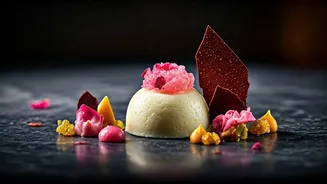
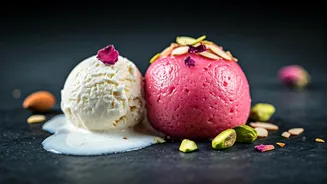
Store-bought vanilla ice cream becomes a gourmet dessert with a simple gulkand swirl. Let a pint of ice cream soften slightly, then fold in a few spoonfuls of gulkand and refreeze. The result is a creamy, fragrant dessert that tastes homemade. This trick also works wonders for frostings. Add a tablespoon of gulkand to your standard buttercream or cream cheese frosting recipe to give cakes and cupcakes an unmistakable floral note. A gulkand-rosewater frosting on a simple vanilla or cardamom-spiced cupcake is a guaranteed showstopper at any holiday party.