



Understanding the Ekadashi Tradition
Twice a month, many Hindus around the world observe Ekadashi, a day of partial or full fasting that falls on the eleventh lunar day of each of the two lunar phases. But this isn’t about deprivation in the way many Westerners might think of fasting. Instead,
Ekadashi is viewed as a sacred opportunity to detoxify the body, quiet the mind, and direct one's energy toward spiritual practices, prayer, and reflection. The underlying belief is that by giving the digestive system a rest, particularly from heavy grains and legumes, the mind becomes clearer and more receptive to meditation and divine connection. It’s a bi-monthly reset button, a conscious step back from the sensory overload of daily life to focus on inner well-being.
What Makes Parama Ekadashi Special
While there are 24 Ekadashis in a typical year, Parama Ekadashi is a rarer, more potent observance. Its uniqueness comes from its timing. It only occurs during the “Adhik Maas,” an extra intercalary month that is added to the Hindu lunar calendar approximately every three years to synchronize it with the solar calendar. Think of it as a spiritual leap year. Because of this rarity, Parama Ekadashi is considered exceptionally auspicious. Devotees believe that observing this day with sincerity can yield immense spiritual benefits, washing away negative karma and bringing divine blessings. The heightened significance makes the accompanying rituals and food traditions feel even more special and purposeful.
The Philosophy of ‘Festive Fasting’ Food
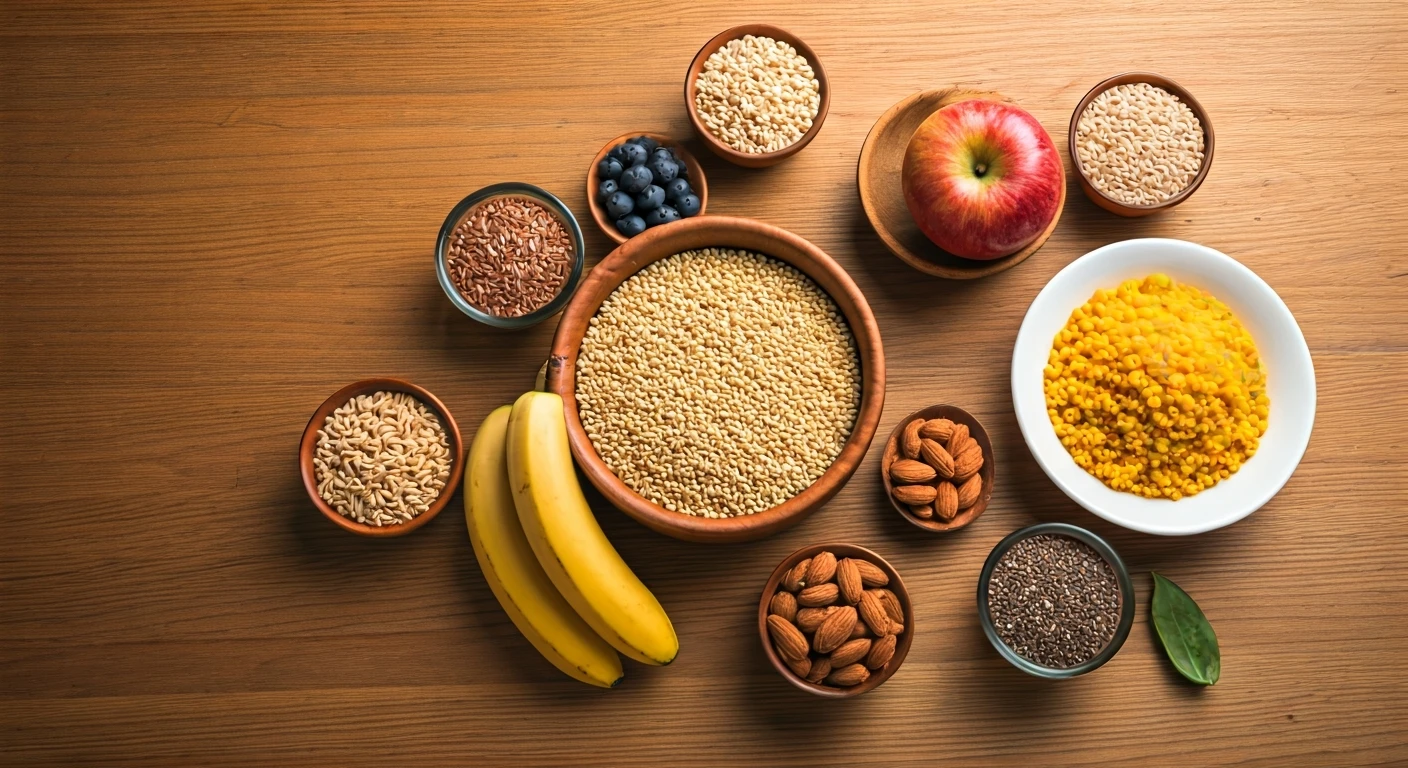
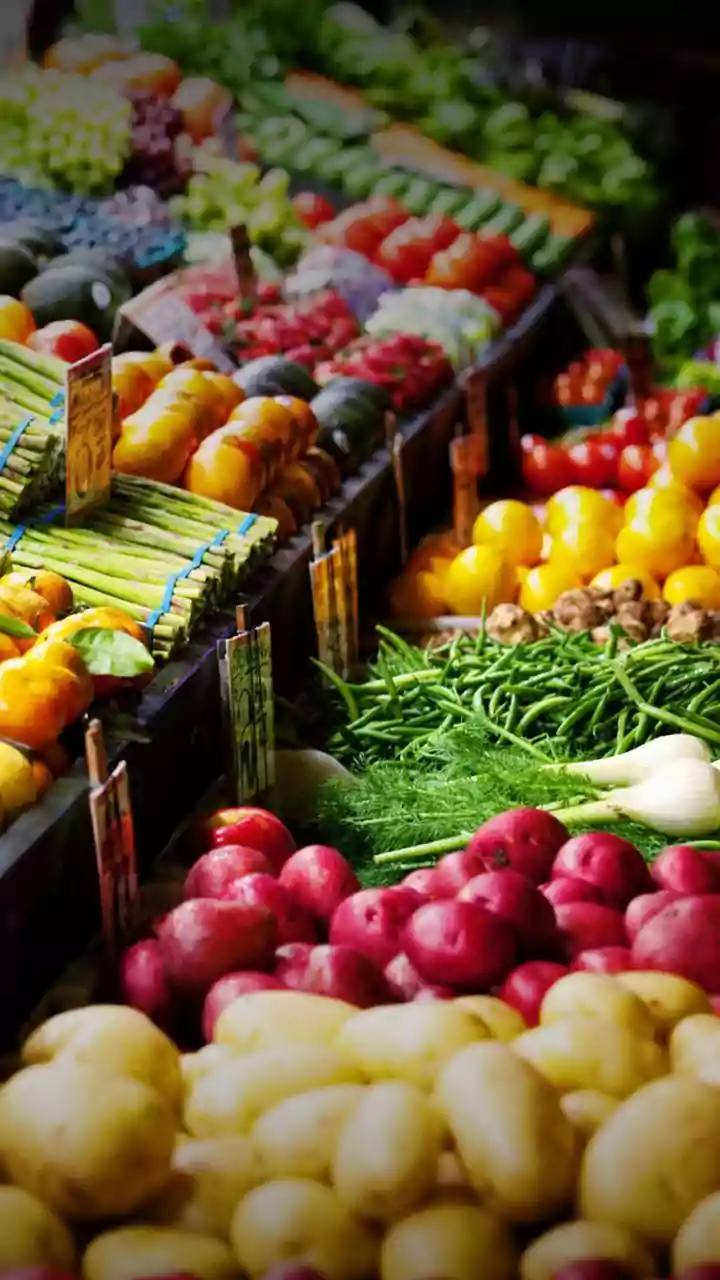
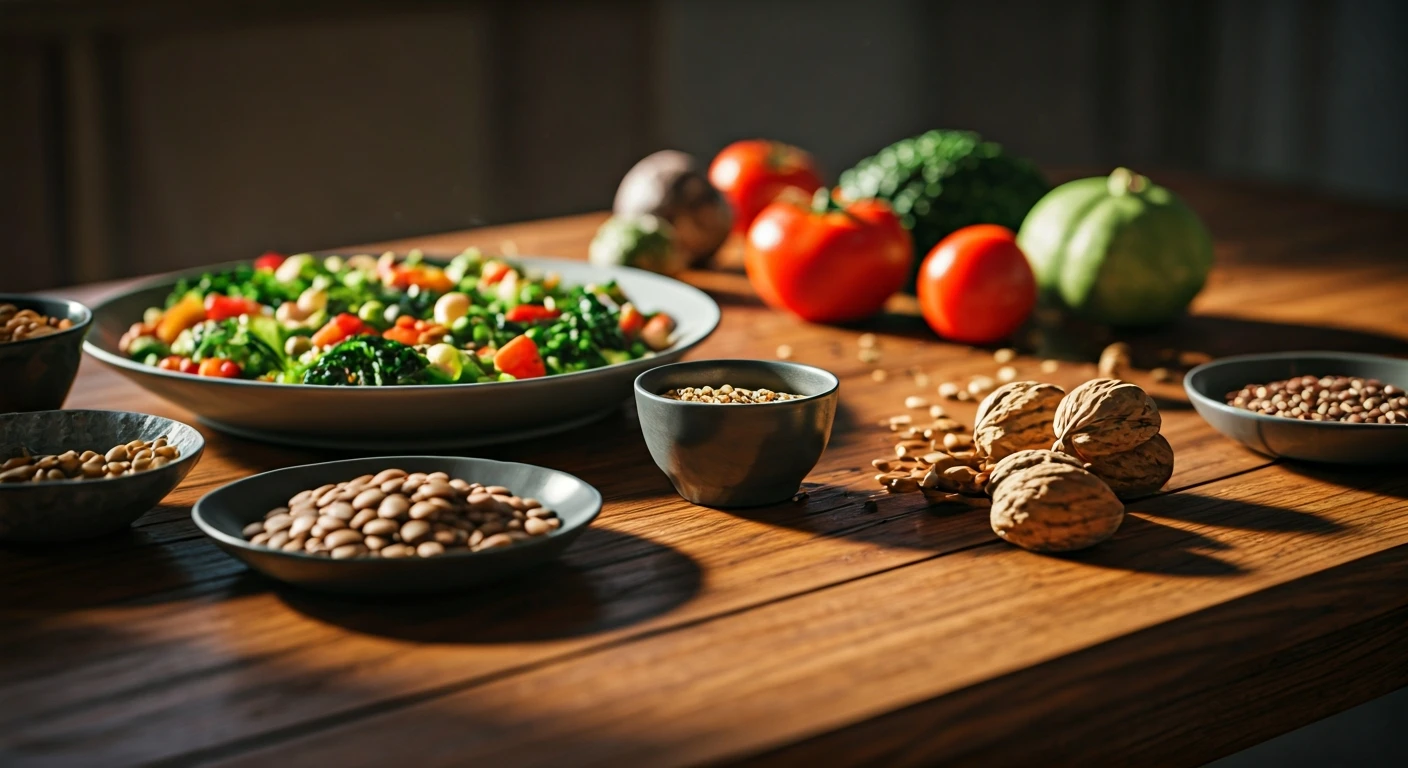
The menu for an Ekadashi “fast” is where things get truly interesting. It’s not about eating nothing, but about eating specific foods that are considered “Sattvic”—a concept from Yogic and Ayurvedic traditions referring to food that is pure, light, and life-giving. On Ekadashi, all grains (like wheat, rice, and millets), beans, and lentils are avoided. Instead, the culinary creativity shines through a specific pantry of ingredients. Root vegetables like potatoes and sweet potatoes, fruits, nuts, dairy products, and certain non-grain flours form the foundation of the Ekadashi plate. These foods are believed to be easy to digest and calming for the mind, supporting the day’s spiritual goals rather than inducing sleepiness or agitation. The result is a meal that feels both celebratory and cleansing.
A Taste of the Ekadashi Plate
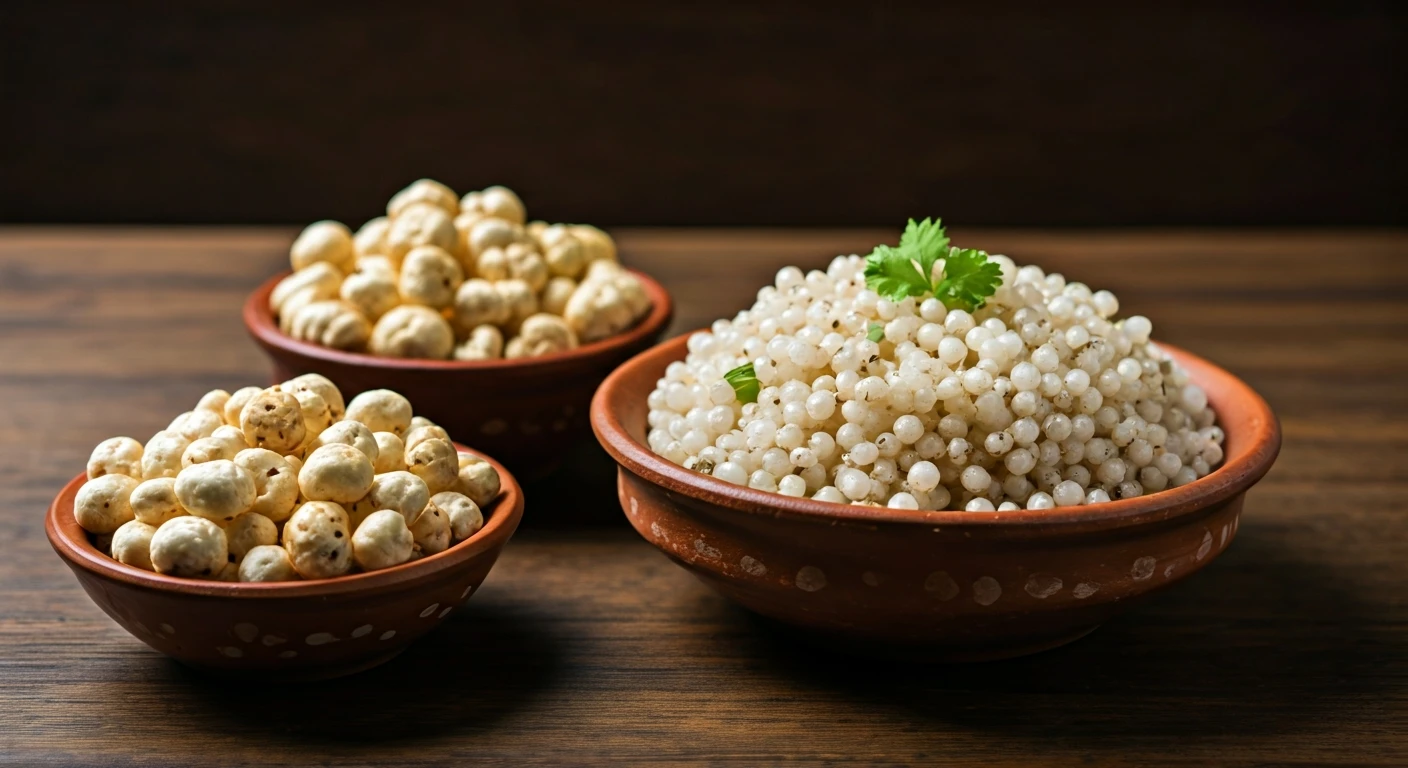
So, what does a “light festive plate” actually look like? It’s a colorful, texturally diverse, and deeply satisfying spread. A common centerpiece is Sabudana Khichdi, a delicious stir-fry made from soaked tapioca pearls (sabudana), potatoes, roasted peanuts, and a gentle seasoning of cumin, green chilies, and lemon juice. It’s a delightful mix of soft, chewy, and crunchy textures. Accompanying this might be Kuttu Ki Puri, a puffy, deep-fried bread made from buckwheat flour, or Rajgira Paratha, a flatbread made from amaranth flour. For something starchy, there's Vrat Ke Aloo, a simple yet flavorful potato curry. The meal is often rounded out with a fresh fruit salad or a creamy, milk-based dessert like Makhana Kheer, a pudding made from fox nuts, milk, and sweetened with a touch of sugar or jaggery. It’s a testament to how delicious and inventive food can be, even within a specific set of rules.