




A Backlash Against 'Wellness'
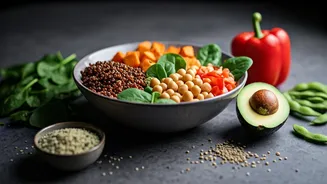
For years, the world of smoothies was dominated by a specific, hardcore wellness aesthetic. The goal wasn't necessarily enjoyment, but optimization. Smoothies were vehicles for spirulina, ashwagandha, collagen peptides, and anything else that promised
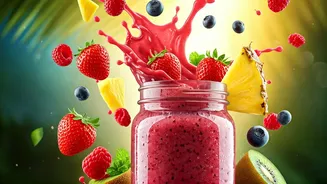
to 'bio-hack' your body into a state of perfect efficiency. The result was often a brownish-green sludge that tasted, charitably, 'earthy.' The current viral trend is a direct and delicious rebellion against that. It reclaims the smoothie as a treat—something you drink because it tastes good and looks beautiful, not just because it’s full of adaptogens. This shift is less about rejecting health and more about embracing pleasure. It’s a reminder that food can be both nourishing and joyful, and that sometimes, the simple sweetness of a strawberry is all the 'wellness' you really need.
The $18 Status Smoothie
You can't talk about the viral smoothie trend without mentioning its ground zero: Erewhon, the high-end Los Angeles grocery store. Specifically, the Hailey Bieber Strawberry Glaze Skin Smoothie. At a staggering $18, this concoction became a phenomenon not just for its taste, but for what it represented: aspirational, aesthetic wellness. Made with strawberries, avocado, almond milk, dates, and a swirl of house-made strawberry glaze and coconut cream, it’s as much a visual masterpiece as it is a beverage.
The smoothie’s virality spawned thousands of TikToks and Instagram Reels of two types: people making the pilgrimage to Erewhon to try the real thing, and a far larger group creating DIY versions at home. It proved that a simple, fruit-forward profile—elevated with luxurious textures and high-quality ingredients—could become a cultural status symbol.
The 'Camera Eats First' Blends
Beyond celebrity endorsements, a huge part of the fruit smoothie’s comeback is pure aesthetics. Take the 'Cloud Smoothie' trend. This viral blend prioritizes look over a specific flavor profile, creating a drink that resembles a dreamy, cartoonish sky. The magic lies in the ingredients and technique: a base of frozen pineapple and banana blended with coconut cream provides the fluffy white 'cloud' texture. A touch of blue spirulina, a natural colorant, is swirled in to create the sky-blue effect.
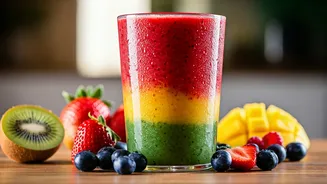
Other visual trends include 'layered' smoothies with distinct, vibrant stripes of color from different fruits, or 'smoothie bowls' so artfully arranged they look like they belong in a museum. In a social media landscape where visual appeal reigns supreme, a smoothie that looks like a sunset or a cloud is destined for shares, likes, and imitation. It’s the perfect, photogenic antidote to the drab wellness drinks of the past.
Simplicity and Creative Hacks
While the Erewhon-style smoothies get the headlines, the heart of the trend is its accessibility. For every $18 celebrity blend, there are a dozen viral recipes that rely on simple ingredients and clever home-cook hacks. One popular version adapts the viral 'Brazilian Lemonade'—a creamy, sweet-tart drink made with whole limes—into a smoothie format. Another focuses on the perfect creamy texture, achieved by freezing coconut milk or yogurt in ice cube trays.
The common thread is a return to basics. These aren't 15-ingredient recipes requiring a trip to a specialty health store. They are often built on a foundation of 3-4 core ingredients: a frozen fruit for texture and coldness (like banana or mango), a fresh fruit for flavor (like strawberries or pineapple), and a liquid (like almond milk or coconut water). It's a democratic trend that anyone with a blender can participate in, which is the ultimate key to its enduring viral appeal.