

An Antidote to Fad Diets
In a wellness landscape often dominated by restriction—cutting carbs, eliminating fats, fasting—traditional Indian food philosophies offer a refreshing alternative. The focus is less on what to remove and more on what to add. Think of ginger for digestion,
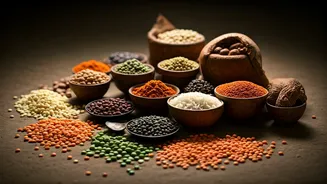
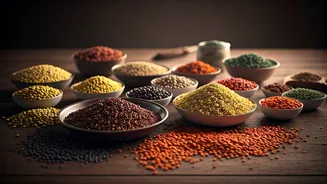
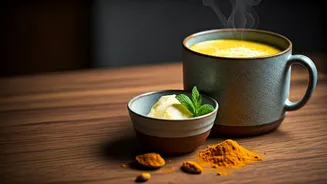
turmeric for inflammation, or a variety of lentils for plant-based protein. This principle of nourishment over deprivation resonates deeply with Americans tired of punishing diet cycles. Instead of a sense of lack, this approach promotes abundance and flavor. It frames health not as a battle to be won through willpower, but as a joyful, daily practice of adding goodness to your plate.
Perfectly Packaged for Visual Media
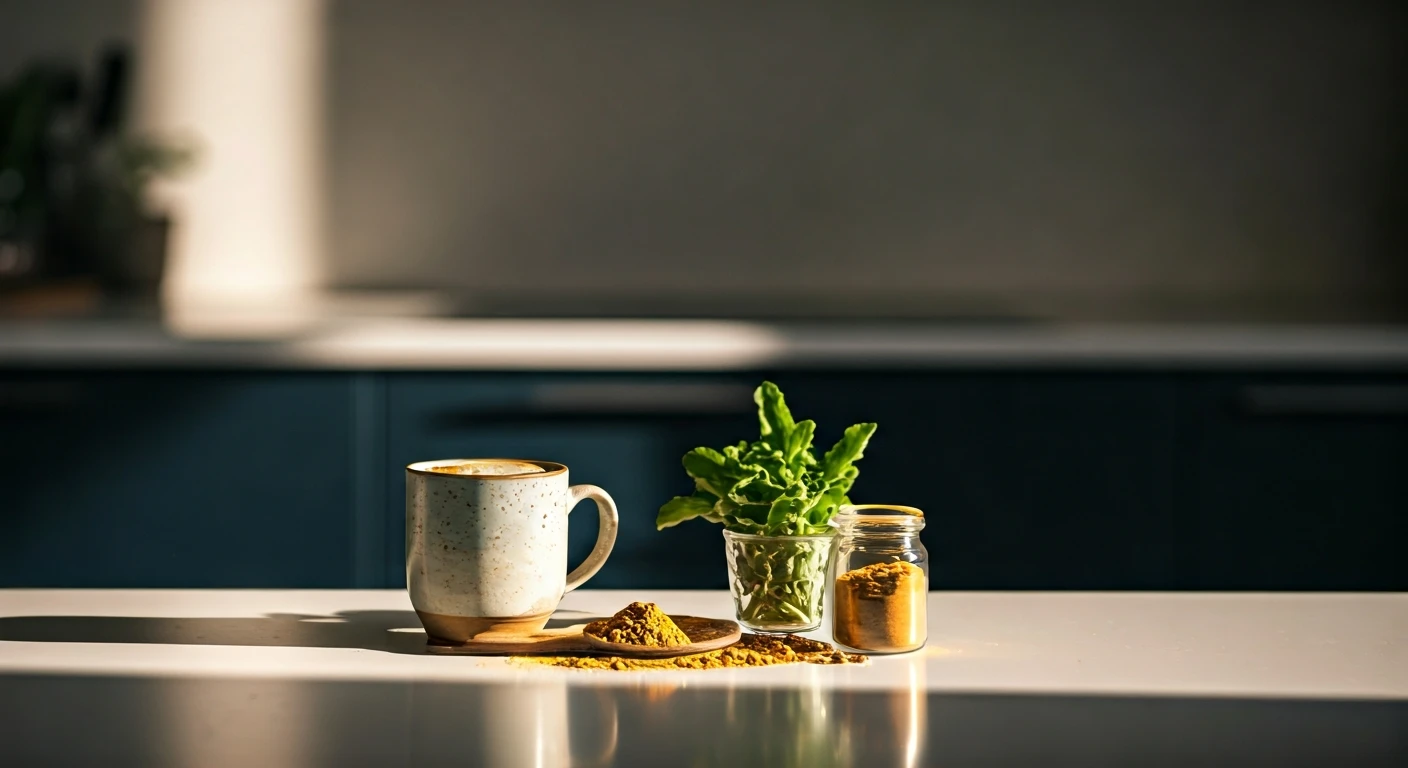
Indian cooking is a feast for the eyes, making it a natural star on platforms like Instagram and TikTok. The process is inherently cinematic. The vibrant yellow of turmeric, the deep red of chili powder, and the bright green of fresh cilantro create a stunning palette. The sizzle of a *tadka*—spices tempered in hot ghee or oil before being poured over a dish—is pure sensory ASMR. Content creators have mastered the art of capturing this magic in 30-second clips. A simple video can show the transformation of a few humble spices into a fragrant, complex base for a curry, making a technique that once seemed intimidating feel both achievable and desirable.
The Search for Authentic Roots
Much of this trend is driven by first- and second-generation Indian-Americans and other diaspora creators. They are not just sharing recipes; they are sharing memories, reclaiming heritage, and telling personal stories. A video about making a mango pickle isn't just about fruit and spices; it’s about a grandmother's secret technique and summers spent in a village. This layer of authenticity provides a powerful connection for viewers. In a digital world saturated with corporate wellness brands and slick marketing, content rooted in genuine family history and cultural pride feels trustworthy and real. It's a form of knowledge passed down through generations, now finding a global classroom on social media.
Demystifying Ancient Concepts
Concepts like Ayurveda, an ancient Indian system of medicine that views food as a primary tool for health, can seem complex. But social media excels at breaking down big ideas into digestible bites. An influencer might explain the Ayurvedic concept of 'heating' versus 'cooling' foods in a short, engaging video, offering simple swaps for balancing your constitution. They make ghee (clarified butter), a cornerstone of Indian cooking, seem less like a mysterious ingredient and more like a versatile, high-smoke-point fat with a rich, nutty flavor. These creators act as friendly translators, bridging the gap between ancient texts and the modern American kitchen.
Wellness That Feels Good
Ultimately, the appeal is grounded in a simple truth: this approach to food and health just feels good. A warm, spiced milk before bed is comforting. A fragrant, nourishing bowl of dal is deeply satisfying. The philosophy doesn't demand perfection or a complete lifestyle overhaul. Instead, it offers small, incremental ways to feel better, using ingredients that are often already in your pantry. It suggests that by paying a little more attention to the wisdom baked into traditional foodways, we can find a more balanced and sustainable path to well-being, one delicious meal at a time.