


First, Understand the Phenomenon
When Americans hear “monsoon,” they often picture the torrential downpours of South and Southeast Asia. And they’re not wrong. From roughly June to October, countries like India, Thailand, and Vietnam experience a seasonal shift in wind patterns that
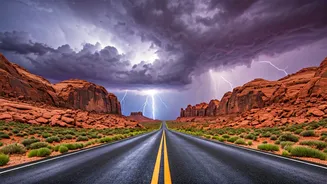
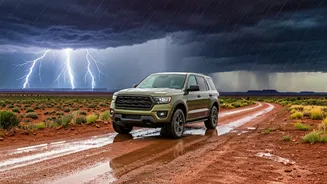
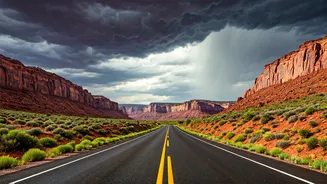
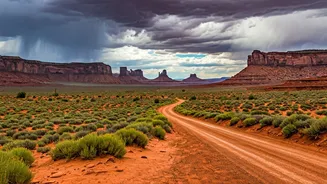
brings intense, sustained rainfall. But the U.S. has its own version: the North American Monsoon, which brings dramatic thunderstorms to the Southwest, primarily Arizona, New Mexico, and parts of Utah and Colorado, from July through September. While the underlying meteorology is complex, the traveler’s takeaway is simple: a monsoon is not just a bad rainstorm. It is a season defined by weather that can arrive with startling speed and force, capable of causing flash floods, landslides, and widespread travel disruptions. Understanding this is the first step in preparing for it.
How to Pack Smart, Not Just Light
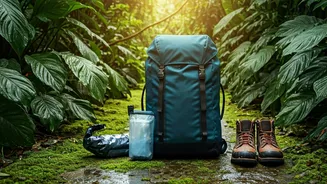
“Travel light” is always good advice, but during monsoon season, it needs an amendment: travel smart. Your minimalist packing list needs to be upgraded for relentless dampness. Ditch the cotton, which takes forever to dry and becomes heavy when wet. Instead, opt for quick-drying synthetic fabrics or merino wool for your clothes. A lightweight, genuinely waterproof rain jacket with a hood is non-negotiable, as are shoes that can handle a soaking. Waterproof sandals or amphibious hiking shoes are far better than heavy, slow-drying boots. Your most important accessories are for your gear. Invest in waterproof dry bags to protect electronics, passports, and a spare set of dry clothes inside your main backpack. Even a “water-resistant” backpack will eventually succumb to a sustained downpour. A travel umbrella can be surprisingly useful for short dashes in cities when a full jacket feels like overkill.
The Real Reason You 'Do Not Trust' It
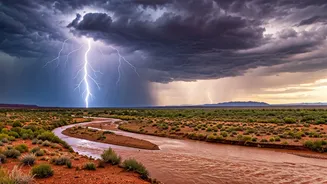
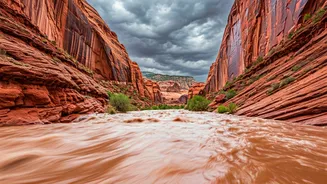
The headline’s warning isn’t about getting a little wet. It’s about recognizing real danger. The primary risk is water—and lots of it. Flash floods can turn a dry riverbed in Arizona or a quiet street in Chiang Mai into a raging torrent in minutes. Never attempt to drive or walk through floodwaters; the depth and current are dangerously deceptive. In mountainous regions, saturated soil leads to a high risk of landslides, which can block roads for days, cutting off entire towns. This is why flexibility is key. That idyllic mountain retreat you booked might become inaccessible. Power outages are common, and transportation schedules for buses, trains, and even flights can be thrown into chaos. The monsoon doesn’t care about your perfectly planned itinerary.
Rethink Your Itinerary and Your Attitude
Traveling during this season requires a fundamental shift in mindset from “conquering a checklist” to “embracing the flow.” Build buffer days into your schedule. If a ferry is canceled or a road is washed out, having an extra day or two prevents a domino effect of missed connections and stress. When booking accommodations, prioritize places with good reviews for their reliability during the rainy season and consider flexible or refundable booking options. Stick to more developed areas if you’re concerned about infrastructure. A remote village might be charming, but it’s also the first place to get cut off from supplies and transport. Check local weather advisories daily. Your hotel staff and local guides are invaluable resources; listen to their advice. If they say a trail is unsafe or a road is risky, believe them.
Embrace the Unexpected Beauty
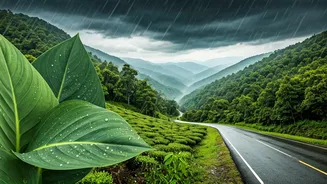
For all the warnings, there’s a reason people still travel during the monsoon. The landscape transforms. Dust-brown hills erupt into impossible shades of green. Waterfalls that are mere trickles for most of the year become thunderous spectacles. The air is cleansed of dust, and the sunsets that follow a storm can be breathtakingly vivid. Furthermore, it’s the off-season. You’ll contend with far fewer crowds at major attractions, and prices for flights and hotels are often significantly lower. The rain itself can be a cozy, meditative experience—a perfect excuse to duck into a cafe for a few hours, read a book, and watch the world go by. The downpours are often intense but short-lived, leaving the rest of the day fresh and clear. By preparing for the worst, you free yourself to enjoy the unique and powerful beauty of a world washed clean.