

Understanding Ekadashi
Occurring twice in each lunar month, on the eleventh day of both the waxing and waning moon phases, Ekadashi is a significant day for Hindus. It is dedicated to Lord Vishnu and is observed through a partial or complete fast. The purpose is not self-punishment
but rather to detach from worldly desires, focus the mind on spiritual matters, and give the digestive system a well-deserved rest. The fast traditionally involves abstaining from all grains (like rice and wheat) and legumes (like lentils and beans). For many, this dietary shift is a key part of the observance, cleansing the body while the mind is engaged in prayer and meditation. Instead of seeing this as a limitation, observers have developed a rich and flavorful cuisine—known as 'vrat' or 'farali' food—that is both compliant and celebratory.
The Magic of Sago Pearls (Sabudana)
If there is one superstar of Ekadashi cooking, it’s sabudana, or tapioca pearls. These starchy, chewy spheres are incredibly versatile and form the base of several beloved dishes. The most famous is Sabudana Khichdi, a savory and satisfying pilaf-style dish. The pearls are soaked until tender, then sautéed with boiled potatoes, roasted peanuts for crunch, fresh cilantro, a squeeze of lemon, and green chilies for a bit of a kick. It’s a perfect one-pan meal that is both filling and light. For a snackable treat, Sabudana Vada are popular. These are crispy, deep-fried patties made from a mixture of soaked sabudana, mashed potatoes, peanuts, and spices. Paired with a sweet and tangy yogurt dip, they feel indulgent and festive.
Harnessing the Power of Tubers
Since grains are off the menu, root vegetables and tubers step into the spotlight. Potatoes, sweet potatoes, yams (suran), and colocasia root (arbi) are all permitted and provide a great source of energy. One of the simplest and most comforting preparations is a light curry made with boiled potatoes in a tomato and yogurt-based gravy, seasoned with ginger and rock salt (sendha namak), which is commonly used for fasting. Another popular dish is Farali Aloo Chaat, where boiled and pan-fried crispy potato cubes are tossed with tamarind chutney, yogurt, and pomegranate seeds. It’s a festival of textures and flavors—sweet, sour, and savory all at once. Sweet potatoes can be simply roasted with a sprinkle of black pepper or mashed into patties (tikkis).
Embracing Alternative Flours
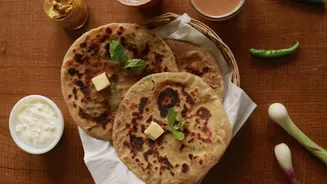
The craving for bread or flatbread is real, but Ekadashi cooking has a clever solution: alternative, grain-free flours. The two most common are Singhare ka Atta (water chestnut flour) and Kuttu ka Atta (buckwheat flour). These flours are used to make small, puffy fried breads called puris or unleavened flatbreads called rotis. These can be served alongside a simple potato curry or a cooling bowl of yogurt. Buckwheat flour is also used to make savory pancakes, sometimes mixed with grated potatoes or bottle gourd (lauki). These alternative flours have a unique, nutty flavor that sets them apart, making the meal feel special rather than a compromise.
Fruits, Nuts, and Dairy
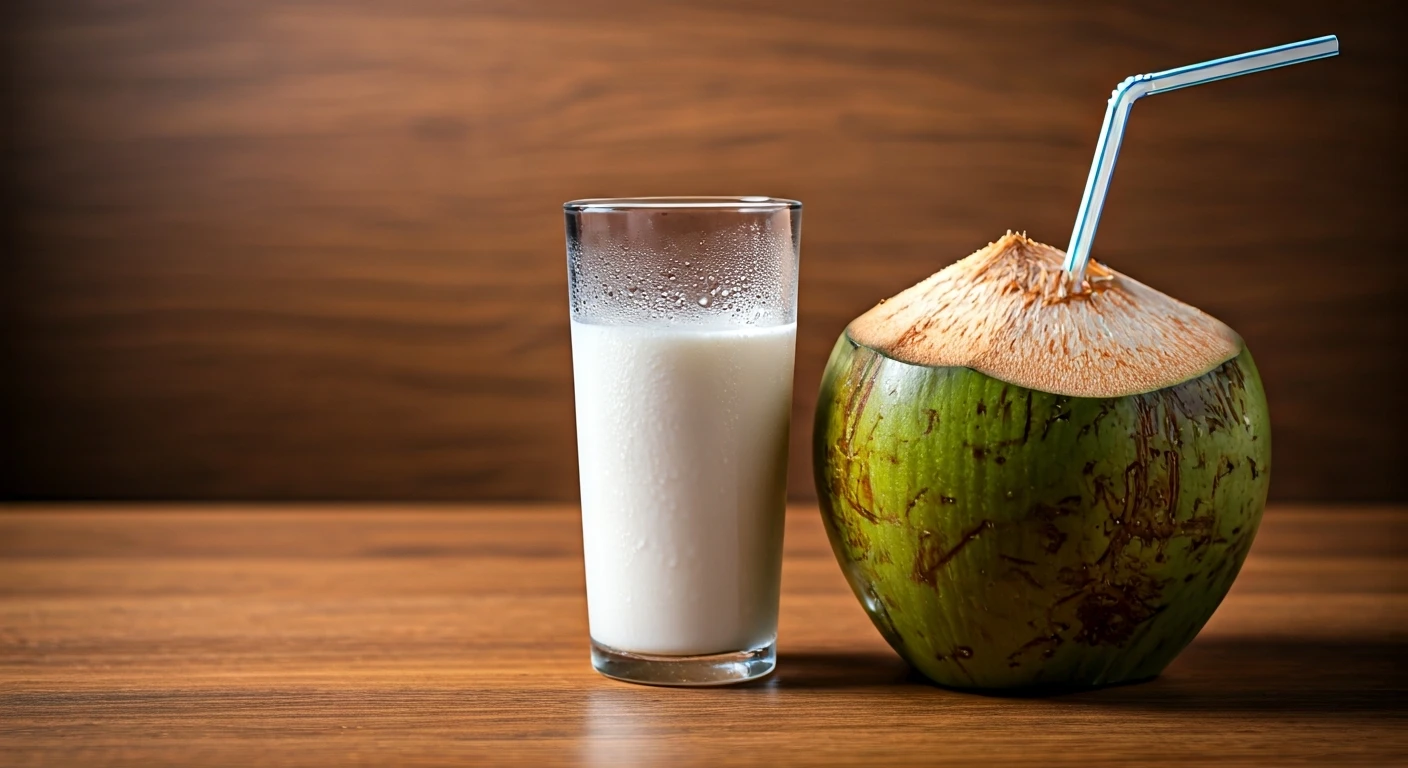
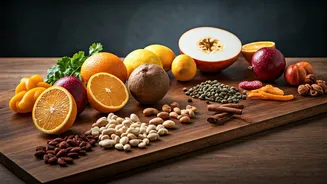
For those seeking the lightest options, fruits and dairy are the cornerstones of the Ekadashi diet. A simple fruit salad becomes a vibrant, refreshing meal. Milk-based drinks like smoothies (using Ekadashi-compliant fruits like bananas and apples) or a simple glass of lassi (yogurt drink) are both nourishing and cooling. Nuts and seeds are also permitted and provide healthy fats and protein. A handful of almonds or walnuts can be a quick energy booster. Many also prepare simple sweets, or mithai, using milk, sugar, and nuts. For example, makhana (fox nuts) can be roasted and lightly caramelized or cooked down with milk to make a creamy pudding called Makhane ki Kheer.