




The Burnout of Extreme Wellness
For the better part of a decade, the wellness industry sold us a very specific, and very expensive, dream. It was a world of 'clean eating,' where gluten, dairy, and sugar were villains. The ultimate flex was a pantry stocked with obscure superfoods,
a religious devotion to a specific dietary dogma (Keto, Paleo, raw vegan), and an Instagram feed to prove it. It was competitive, it was costly, and for many, it was completely exhausting.The constant pressure to optimize, purify, and restrict created a culture of anxiety. Did you meal prep perfectly? Did your smoothie have the right adaptogens? The pursuit of health ironically began to look a lot like a full-time, unpaid job with a high risk of developing a disordered relationship with food. The backlash was inevitable. People grew tired of the moral superiority, the pseudoscience, and the simple fact that a life without the occasional slice of pizza felt, well, unwell.
Defining the 'Sensible' Shift
So, what does 'sensible eating' actually mean? It’s less of a diet and more of a mindset. It’s the quiet rejection of extremes. Instead of eliminating entire food groups, it focuses on including a variety of them. Think whole foods, home-cooked meals, and paying attention to your body’s own hunger and fullness cues—a concept often called intuitive eating.This isn't a free-for-all, but rather a move towards moderation and away from moralization. A brownie isn't 'bad,' and a kale salad isn't 'good.' They're just food. One provides a different kind of fuel and satisfaction than the other. The sensible eater might enjoy a vibrant salad for lunch because it makes them feel energetic, and then have a scoop of real ice cream for dessert without an ounce of guilt, because it’s delicious and life is for living. It’s about building a sustainable, enjoyable relationship with food that doesn't require a special app or a celebrity endorsement.
The Confidence of Being Normal
In a world saturated with performative health, choosing normalcy is a power move. This is why sensible eating has become a 'flex.' It communicates something more profound than the ability to afford pricey supplements. It signals confidence, self-awareness, and a rejection of fleeting, often baseless trends. It says, 'I am so secure in my health that I don’t need to prove it to you with a restrictive diet.'This new flex is about internal validation over external performance. While the old wellness flex was about showing off discipline through restriction, the new flex is about displaying wisdom through balance. It’s the quiet confidence of someone who has read the books, tried the trends, and come out the other side realizing that the secret to wellness isn't found in a bottle, but on a regular dinner plate. It’s a flex of maturity, suggesting you’ve moved past the cultural noise and found a peaceful, effective rhythm that works for you.
How to Embrace the Mindset
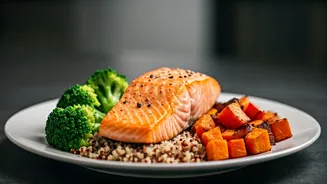
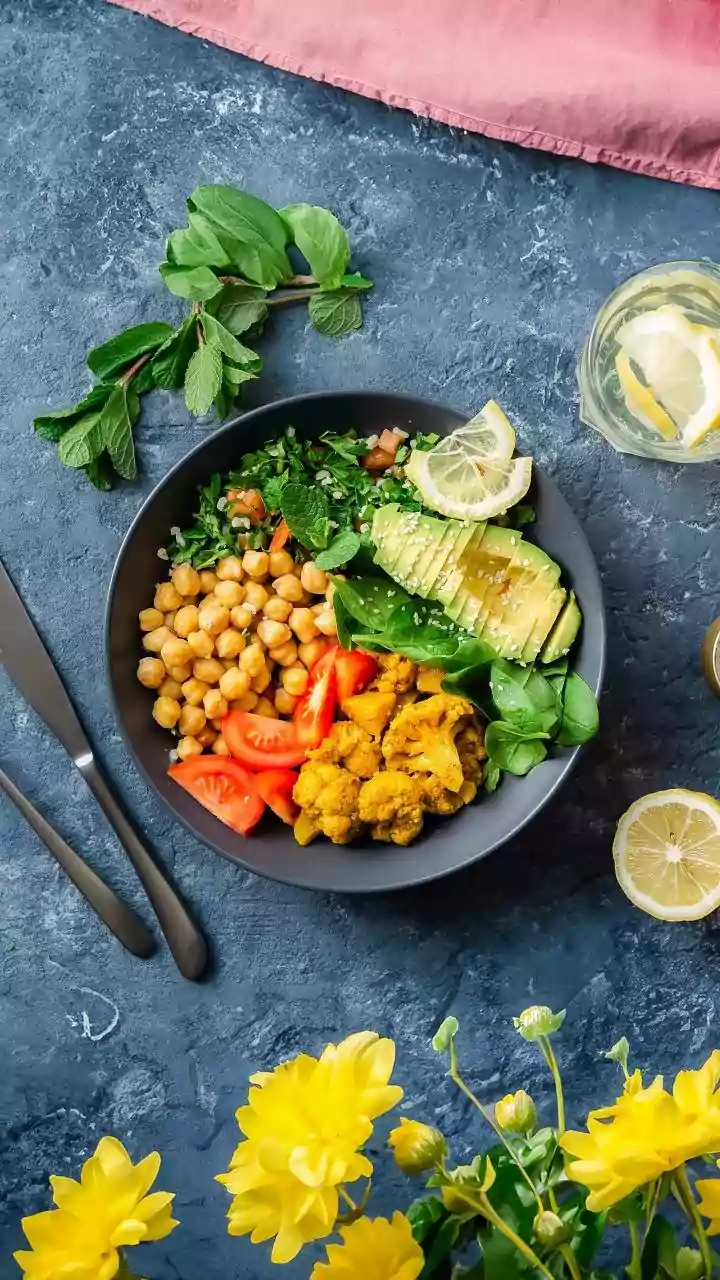
Adopting this approach isn't about following a new set of rules, but about shedding the old ones. It starts with de-linking food from morality. Try focusing on addition rather than subtraction—what nourishing and delicious foods can you add to your plate? A handful of berries, a side of roasted vegetables, a piece of quality protein. Reconnect with the joy of cooking, even if it’s just a simple pasta dish. Notice how different foods make you feel, not just in your body but in your soul. Eating with friends, celebrating with a meal, and enjoying treats are all part of a truly healthy life. The goal is to make food a source of pleasure and nourishment again, not a source of stress and calculation.