






The Rise of Peptides
If you follow beauty trends, you’ve heard the buzz around peptides. In skincare, they’re known for signaling cells to produce more collagen. In hair, they have an even more ambitious job: rebuilding hair on a molecular level. Hair is made of keratin protein
chains, and when it's damaged by bleach, heat, or chemical treatments, those chains break. Traditional conditioners and masks coat the hair strand to make it feel smoother, but the underlying damage remains. Enter biomimetic peptides. These are lab-created chains of amino acids designed to mimic the exact structure of your hair's natural keratin. When applied, they can travel into the hair's cortex—its innermost layer—and intelligently slot into the broken polypeptide chains, effectively reconnecting them. The result isn't just a temporary fix; it's a genuine repair that restores strength and elasticity. This technology is the engine behind game-changing products that promise to reverse damage in minutes.
Beyond Surface-Level Bond Building
The bond-building category, pioneered by Olaplex, was the first major step toward molecular hair repair. It introduced the idea that you could fix damage, not just hide it. The technology works by repairing disulfide bonds, which are the chemical cross-links that give hair its structure and strength. These bonds are frequently broken during coloring and heat styling, leading to frizz and breakage. While first-generation bond builders were revolutionary, the science continues to evolve. Newer formulas are more efficient, work faster, and are often combined with other active ingredients for a multi-pronged approach. They work in tandem with peptides and moisturizing agents to not only rebuild the structural integrity of the hair but also to ensure it remains hydrated and flexible. Think of it as rebuilding a house's frame (the bonds) and then reinforcing the walls (the keratin chains).
Your Scalp Is Skin, Too
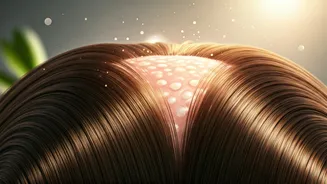
Perhaps the biggest shift in haircare is the “skinification” of the scalp. We’ve finally realized that healthy hair starts with a healthy scalp—and the skin on your head deserves the same attention as the skin on your face. This has led to an explosion of scalp serums, scrubs, and treatments packed with familiar skincare heroes. Hyaluronic acid, the gold standard for hydration, is now used in scalp serums to moisturize the skin and hair follicles, preventing dryness and flakiness. Niacinamide (Vitamin B3), known for its anti-inflammatory and barrier-boosting properties, helps soothe irritated scalps and can improve circulation, which is vital for healthy hair growth. Salicylic acid, a beta-hydroxy acid (BHA), is used in scalp treatments to exfoliate, dissolve excess oil, and unclog hair follicles, creating a better environment for hair to thrive.
Acids for More Than Just Your Face
Just as chemical exfoliants transformed skincare routines, they're now refining scalp care. Gentle exfoliating acids are becoming staples in pre-shampoo treatments and clarifying shampoos. Alpha-hydroxy acids (AHAs) like glycolic and lactic acid work on the surface of the scalp to dissolve the “glue” that holds dead skin cells together, whisking away buildup from products, oil, and environmental pollutants. This kind of regular, gentle exfoliation does more than just prevent dandruff. By keeping follicles clear, it can promote fuller-looking hair and allow your other treatment products to penetrate more effectively. It’s the reset button your scalp needs, moving beyond harsh, stripping clarifying shampoos of the past to a more sophisticated, skin-friendly approach.
What This Means For Your Routine (and Wallet)
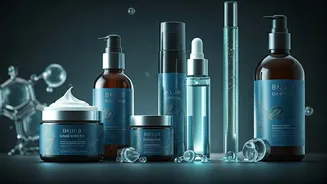
This new era of scientific haircare is undeniably effective, but it often comes with a higher price tag. A small bottle of a peptide treatment can cost as much as a high-end face serum. So, is it worth it? For those with significant damage from color or heat, the answer is often a resounding yes. These products offer repair that was previously only possible by cutting off the damaged lengths. For others, it’s about smart integration. You don't need to replace your entire routine. Instead, consider adding one targeted treatment—like a weekly peptide mask or a bi-weekly exfoliating scalp serum—to address your biggest concern. The goal isn't to have a 10-step hair routine, but to use smarter, more potent products where they matter most.