






First, Know Your Fiber
Before you start, it helps to know there are two main types of dietary fiber, and your stomach might prefer one over the other, at least initially. **Soluble fiber** dissolves in water to form a gel-like substance. It's the MVP for slowing digestion,
which helps you feel full and can stabilize blood sugar. It's generally the gentler of the two. Think of the creamy texture of oatmeal or the inside of a cooked bean. **Insoluble fiber** does not dissolve in water. It adds bulk to your stool and helps things move through your digestive system more quickly. This is the “roughage” you find in vegetable stalks, bran, and the skins of many fruits. While essential, it can be more irritating for a sensitive gut if you introduce too much too soon.
The Golden Rule: Go Low and Slow
This is the single most important rule. The common mistake people make is jumping from their usual 15 grams of fiber a day to the recommended 25-38 grams overnight. Your gut microbiome—the trillions of bacteria living in your digestive tract—is not prepared for that sudden feast. The result? Gas, bloating, cramping, and a resolution to never eat a lentil again. Instead, increase your intake by just 3-5 grams of fiber per day for a week. If you feel good, add another 3-5 grams the following week. For example, if you normally have white toast for breakfast, switch to whole-wheat toast. If that goes well, a week later, add a tablespoon of chia seeds to a smoothie. This gradual increase gives your digestive system and its resident microbes time to adapt.
Start with Gentle, Soluble Sources
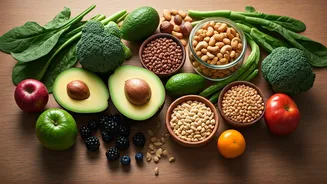
If you know you’re sensitive, begin by prioritizing soluble fiber. It's less likely to cause irritation. Excellent, gentle starting points include: - Oats and oatmeal - Chia seeds and flax seeds (ground is easier to digest) - Avocados - Carrots (cooked) - Apples and pears (without the skin, at first) - Barley - Psyllium husk (a common supplement that's almost entirely soluble fiber) Once your system adjusts to these, you can slowly begin incorporating more insoluble fiber from sources like leafy greens, broccoli, cauliflower, nuts, and whole-wheat bran. Cooking tough vegetables can also help by breaking down some of their fibrous structures, making them easier to digest.
Hydration Is Non-Negotiable
Think of fiber as a sponge. For it to work its magic—softening stool and moving things along smoothly—it needs to soak up water. If you increase your fiber intake without increasing your fluid intake, you're essentially putting dry sponges into your system. This can lead to the opposite of your desired effect: constipation, hardness, and discomfort. As you add more fiber to your diet, make a conscious effort to drink more water throughout the day. There's no magic number, but aiming for at least eight glasses is a good starting point. If your urine is pale yellow, you're likely on the right track.
Spread Your Intake Throughout the Day
Don't try to get your entire day's worth of fiber in one giant, virtuous salad at lunch. A massive, sudden infusion of fiber is a challenge even for a robust digestive system. For a sensitive one, it’s a direct invitation for bloating and discomfort. Instead, aim to include a small source of fiber with each meal and snack. A little bit at breakfast (oatmeal), a little at lunch (a side of black beans), and a little at dinner (roasted Brussels sprouts) is far more manageable for your gut than one concentrated fiber bomb. This steady supply keeps your digestion stable and helps prevent dramatic spikes and crashes in both energy and comfort.