

A Foundation of Royal Patronage
The story begins centuries ago. Jaipur, the capital of Rajasthan, was meticulously planned and founded in 1727 by Maharaja Sawai Jai Singh II. From its inception, the city was designed as a hub for commerce and art. The ruling maharajas weren't just warriors;
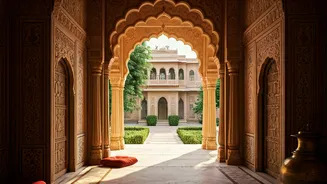
they were sophisticated patrons of the arts, inviting skilled artisans from across India to settle in designated quarters of the city. They commissioned elaborate textiles, intricate carvings, and dazzling mirror work for their palaces and forts. This royal support established a deep-rooted ecosystem of craftsmanship that became part of Jaipur’s very identity. Unlike trends that come and go, these skills were passed down through generations, embedding them so deeply into the local culture that they became synonymous with the city itself. Today’s trends aren’t a new discovery; they are a modern continuation of this unbroken legacy.
The Boutique Hotel Boom
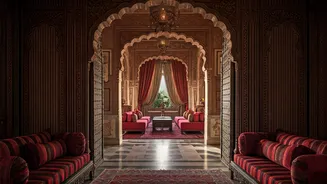
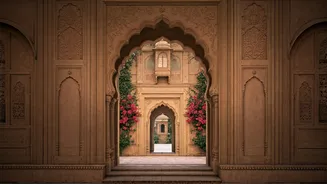
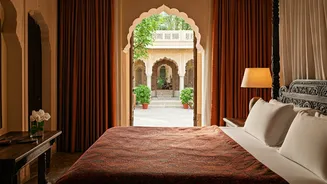
In recent decades, Jaipur has become a global tourism hotspot. This influx created a demand for authentic, experience-driven accommodations. Enter the boutique hotel and the heritage ‘haveli’ (a traditional townhouse or mansion). To create a memorable and uniquely Jaipur experience, designers and hoteliers turned to the most authentic resource available: local artisans. Instead of generic, mass-produced furniture and decor, they filled their spaces with hand-carved Jali screens, block-printed textiles, and iridescent blue pottery. Places like The Johri and 47 Jobner Bagh became celebrated not just for their hospitality, but for being living showrooms of Rajasthani craft. This movement demonstrated that traditional design wasn't just for museums; it was commercially viable, luxurious, and deeply appealing to modern travelers seeking character and a sense of place.
Modern Twists on Ancient Techniques
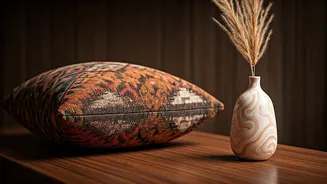
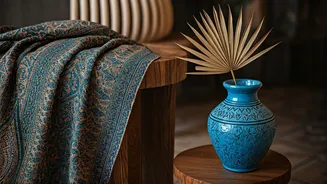
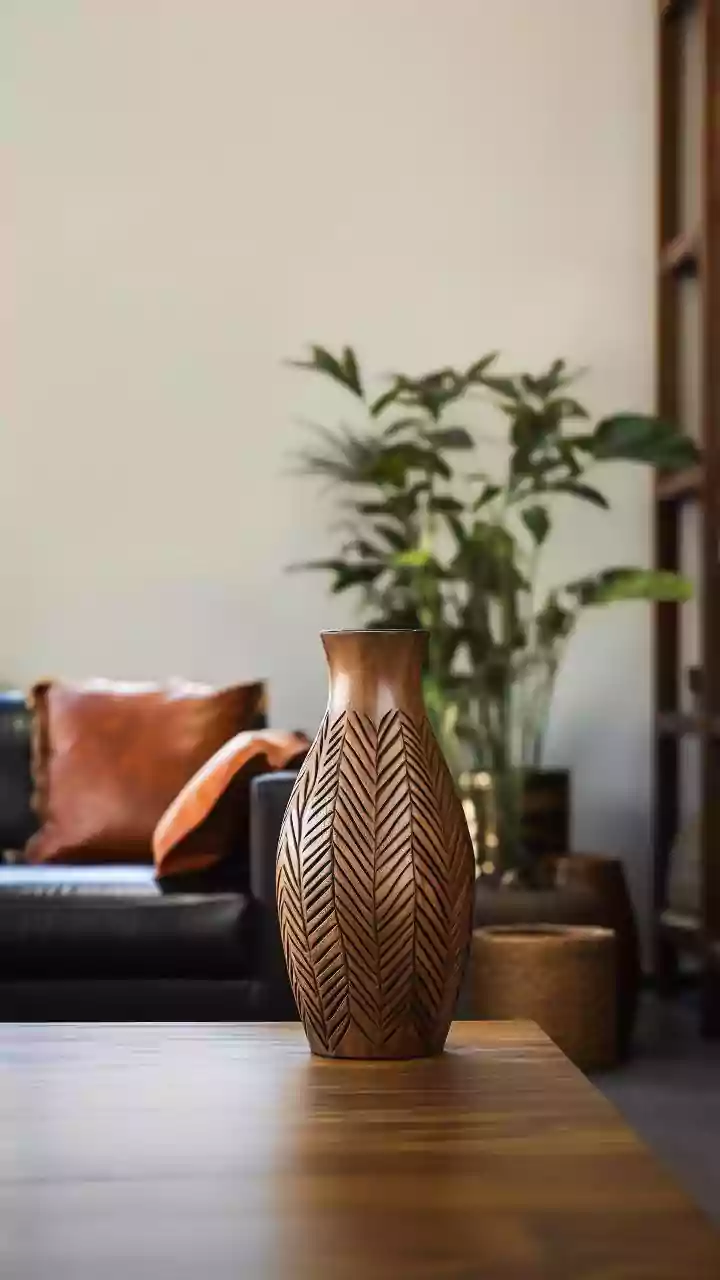
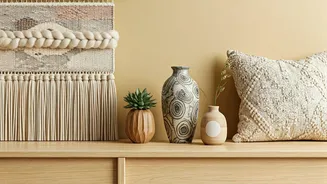
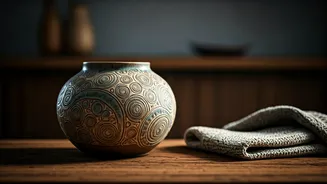
Crucially, this isn't a case of simply preserving the past in amber. The reason these crafts dominate *modern* interiors is their remarkable adaptability. A new generation of Jaipur-based designers is collaborating with master artisans to reinvent traditional forms for a contemporary aesthetic. For instance, the classic Sanganeri block print, known for its delicate floral motifs, might be applied to a minimalist linen chair in a muted, earthy palette. Thikri, the intricate art of hand-cutting mirrors and setting them in plaster, is now used to create stunning feature walls in sleek, modern apartments. Blue pottery, traditionally used for beads and small vessels, is being fashioned into contemporary lamp bases and chic tableware. This fusion honors the technique while updating the look, ensuring that the craftsmanship feels fresh and relevant, not dated.
An Instagram-Ready Aesthetic
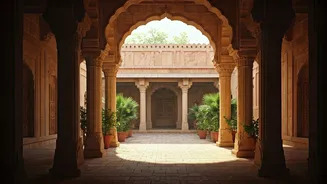
In the age of social media, aesthetics are currency. And Rajasthani craftsmanship is incredibly photogenic. The vibrant indigo dyes, the geometric precision of Jali latticework, the rich texture of hand-loomed rugs, and the whimsical charm of hand-painted murals create visually arresting spaces that are tailor-made for Instagram. A single, beautifully tiled corner or a wall adorned with block-printed fabric can become an instant social media moment. This visual appeal has created a powerful feedback loop: travelers and locals photograph these beautiful interiors, sharing them with a global audience and fueling a desire for this specific look. As a result, more businesses and homeowners seek to replicate this photogenic style, further cementing the dominance of local craftsmanship in the city's design scene.
The Appeal of the Authentic and Sustainable
Finally, there’s a growing global shift away from fast furniture and toward mindful consumption. Using local artisans is inherently more sustainable than shipping mass-produced goods from overseas. It supports the local economy, preserves generational skills that are at risk of dying out, and provides a powerful narrative of community and heritage. For the modern consumer, an object with a story—a block-printed cushion that tells of its maker or a pot that carries the signature of a family of artisans—holds far more value than a generic, factory-made item. This desire for authenticity and connection makes Rajasthani craft the perfect antidote to the anonymous feel of so much modern design.