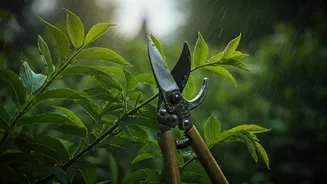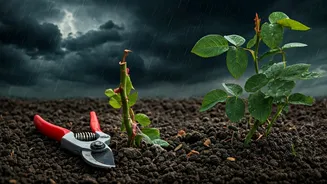




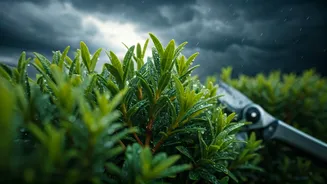
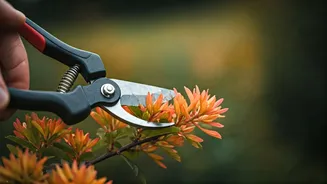


The Logic of the Pre-Rain Prune
On the surface, the idea seems brilliant. You get the work done, and then nature comes in to wash away the debris and give your freshly tended plant a good drink. It feels efficient, productive, and perfectly in sync with the rhythms of the garden. Many
gardeners operate on this principle, believing that the coming moisture will help the plant recover, almost like a soothing balm after the stress of being cut. It’s an appealing narrative: you perform the surgery, and the rain handles the post-op care. This intuitive logic is why the advice has been passed down between neighbors over the garden fence for years. But unfortunately, this popular garden wisdom often gets one crucial detail dangerously wrong.
The Hidden Risk: An Invitation for Disease
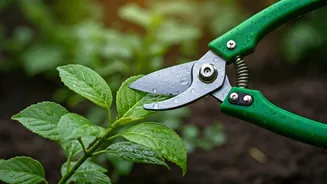
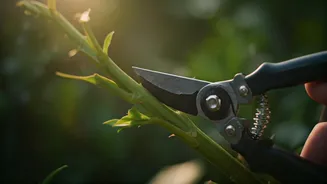
The main problem with pruning before it rains is one word: disease. When you prune a plant, you are creating an open wound. And when that fresh wound is immediately exposed to prolonged moisture, you’re rolling out the welcome mat for a host of fungal and bacterial pathogens. Think of it like getting a cut on your finger and then immediately going for a swim in a lake. You’re exposing a vulnerability to whatever is floating around in the environment. For plants, rain is a highly effective transport system for microscopic spores of common diseases like fire blight, anthracnose, black spot, and various cankers. These pathogens are often present in the soil, on dead leaves, or on other parts of the plant, just waiting for the right conditions to strike.
How Rain Becomes a Spore Superhighway
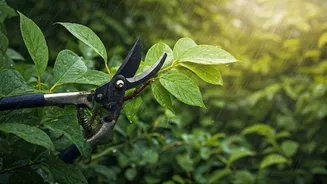
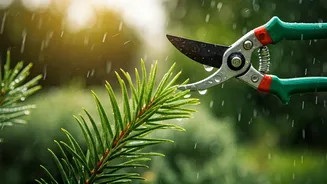
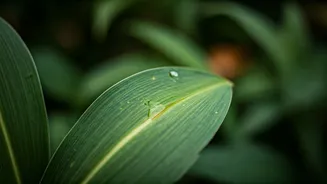
Here's the science made simple: rain doesn’t just provide moisture; it provides mobility. A single raindrop can splash microscopic spores from a diseased leaf on the ground directly onto the fresh, sappy cut you just made on a rose bush or a fruit tree. The water then sits on the wound, creating the damp, humid environment that these pathogens need to germinate and infect the plant's vascular system. Instead of helping the plant heal, the rain is actively helping the disease invade. This is especially true during the warm, humid conditions that often accompany spring and summer rain, which are peak seasons for both garden growth and fungal activity. What was meant to be a helpful trim can quickly become the starting point for a systemic infection that can weaken or even kill your plant.
The Real Smart Move: Prune in the Dry
So, if pruning before rain is a bad idea, when is the right time? The universally accepted best practice among horticulturists and arborists is to prune when you have a forecast of dry weather. Ideally, you want at least 24 to 48 hours of dry conditions after you make your cuts. This dry period gives the plant time to begin its natural healing process. The surface of the wound dries out and the plant begins to form a callus—a layer of protective tissue that walls off the cut from the outside world. This process, called compartmentalization, is a plant's version of a scab, and it’s the most effective defense against invading pathogens. By pruning in the dry, you allow the plant to put up its own shield before the next rain comes.
Are There Any Safe Exceptions?
Gardening is full of nuance, and this rule is no different. The risk is highest when making significant cuts to disease-prone plants like roses, fruit trees (especially apples and pears, which are susceptible to fire blight), and dogwoods. However, the risk is much lower for minor tasks. If you’re just deadheading some spent marigolds or snipping a few herbs for dinner, the small size of the wound and the resilient nature of the plant make a pre-rain trim relatively harmless. Likewise, pruning dormant woody shrubs in the middle of winter, when pathogens are inactive and the plant is not actively growing, carries less risk. The key is to assess the plant, the type of cut, and the season. But for major structural or corrective pruning, the “prune in the dry” rule is your safest bet.