



1. Tires & Brakes: Your Grip on Reality
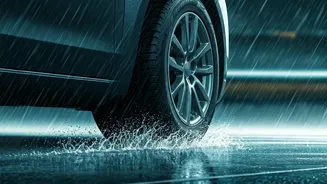
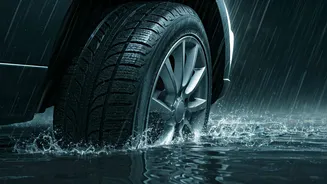
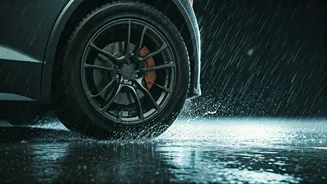
These are your car's only points of contact with the road, and their condition is non-negotiable for safety. A tough car starts with a solid foundation. Don't just wait for the dashboard light; be proactive. Check your tire pressure monthly—proper inflation
affects handling, fuel efficiency, and tire longevity. Most cars have a sticker inside the driver’s door jamb with the correct PSI. Next, inspect your tread. The classic 'penny test' works: insert a penny into the tread with Lincoln's head upside down. If you can see the top of his head, your tires are worn and need replacing. For brakes, listen for squealing or grinding noises and pay attention to any shuddering or pulling when you apply the pedal. These are clear signs that your pads or rotors need professional inspection.
2. Fluids: The Lifeblood of Your Vehicle
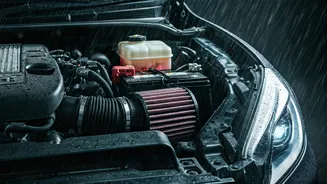
A car runs on more than just gasoline. Its engine, transmission, and other critical systems rely on a cocktail of fluids to operate smoothly. Ignoring them is a fast track to catastrophic failure. Engine oil is the most critical; it lubricates, cleans, and cools. Check your oil level every few weeks using the dipstick and follow the manufacturer's recommended change interval—don’t push it. But don't stop there. Also check your coolant (when the engine is cold!), brake fluid, and windshield washer fluid. Low coolant can lead to overheating, while compromised brake fluid can spell disaster. Keeping these fluids topped off and clean is one of the cheapest and most effective ways to build a tougher, more reliable vehicle.
3. Battery & Electrical: The Nervous System
A dead battery is one of the most common reasons for roadside assistance calls, yet it's often overlooked until it’s too late. Modern cars are packed with electronics that place a constant demand on the battery. Most car batteries last 3-5 years. If yours is approaching that age, have it tested, especially before summer's heat or winter's cold. You can get a free battery test at most auto parts stores. Look for signs of corrosion—a white or bluish powder—on the battery terminals. This buildup can interfere with the electrical connection and prevent your car from starting. Cleaning it off with a wire brush can make a huge difference.
4. Visibility: See and Be Seen
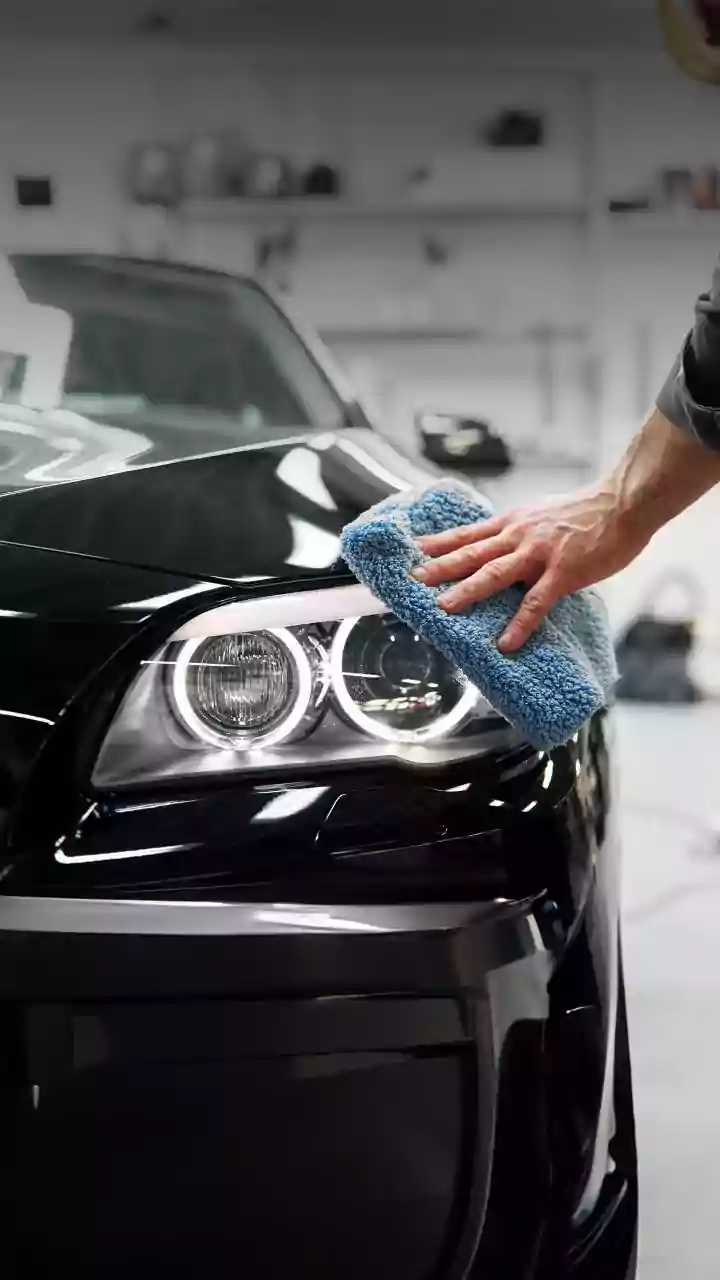
Toughness isn't just about mechanical strength; it’s also about situational awareness. If you can’t see the road clearly, or if other drivers can’t see you, you’re vulnerable. Start with your wiper blades. If they streak, skip, or squeak, replace them. They are inexpensive and easy to change yourself. Don’t wait for a downpour to discover they're useless. Also, ensure your windshield washer fluid is topped off with a formula appropriate for the season (one that won’t freeze in winter). Finally, do a quick walk-around of your car once a week. Have a friend or family member help you check that all your lights—headlights, taillights, brake lights, and turn signals—are working properly. A burned-out bulb is a cheap fix that can prevent a costly ticket or a dangerous accident.
5. The Emergency Kit: Your Roadside Safety Net
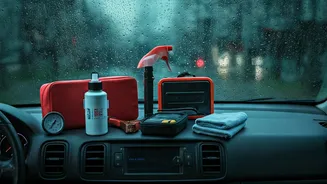
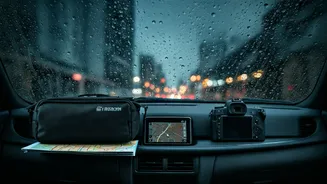
Even the toughest, best-maintained car can fall victim to a flat tire or an unexpected breakdown. A truly tough car is one whose driver is prepared for the worst. Your emergency kit is your co-pilot in a crisis. It doesn't have to be elaborate. A basic kit should include: jumper cables, a portable tire inflator, a tire pressure gauge, a first-aid kit, a flashlight with extra batteries, reflective triangles or flares, and some basic tools. In colder climates, add a blanket, gloves, and a snow brush. This small investment of time and money provides immense peace of mind, ensuring that a minor inconvenience on the side of the road doesn't turn into a major emergency.