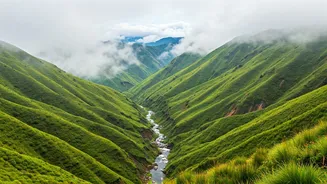






India’s Cool Escapes
To understand the appeal, you first need to understand the concept of a “hill station.” During the British Raj, these high-altitude towns were established as summer retreats, offering a cool escape from the scorching heat of the plains. Today, that legacy
lives on, but the visitors have changed. A burgeoning Indian middle class, combined with a global search for authentic travel experiences, has turned these once-sleepy outposts into bustling destinations. They offer a unique blend of stunning landscapes, colonial-era charm, and rich local agriculture—namely, coffee and tea.
Coorg: The Coffee Kingdom
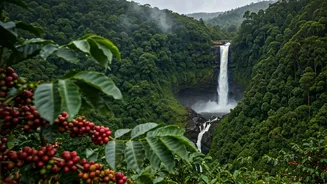
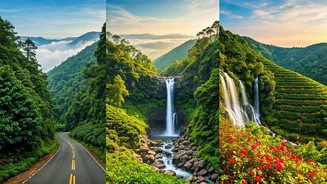
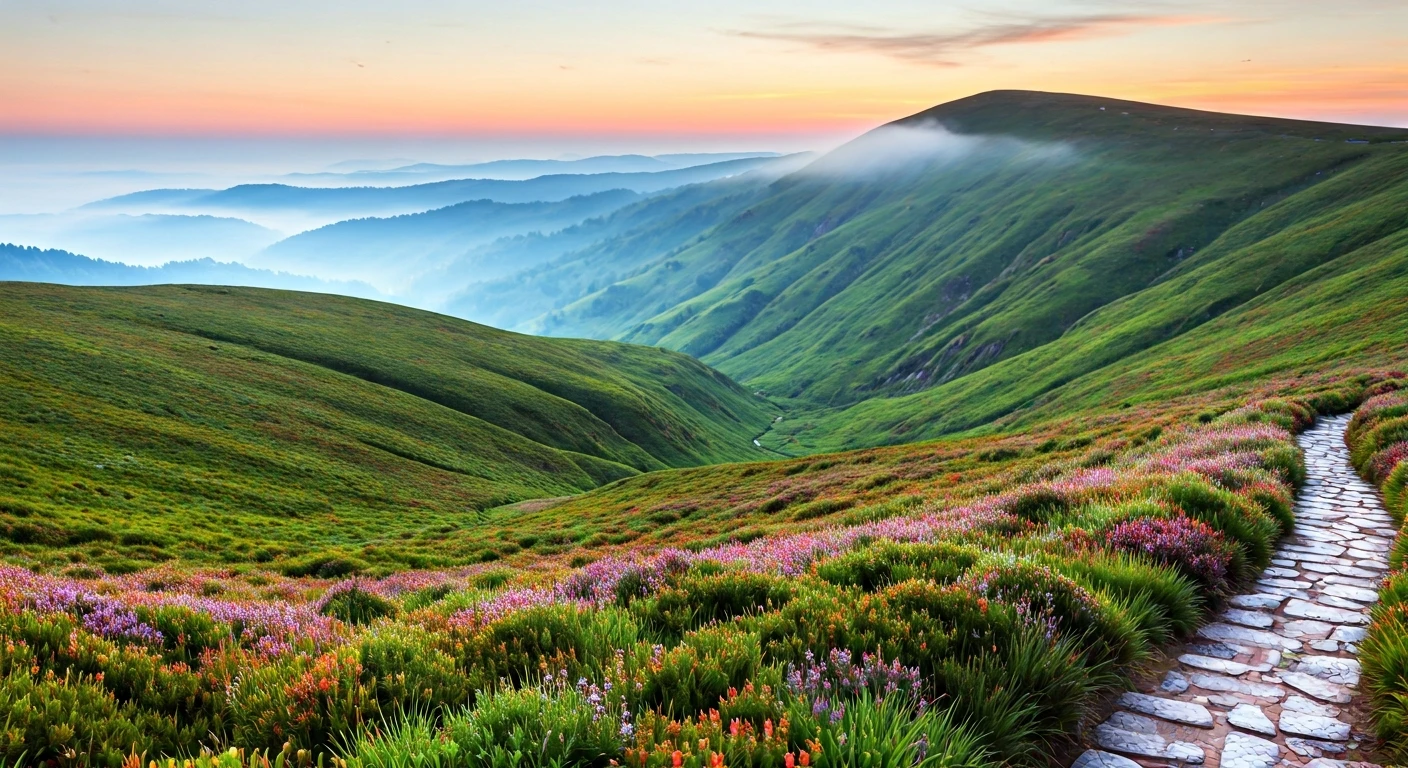
Often called the “Scotland of India,” Coorg (or Kodagu) in the state of Karnataka is a land of rolling hills carpeted with coffee and spice plantations. The air here smells of coffee blossoms, black pepper, and damp earth. Coorg’s vibe is slightly more rugged and less overtly commercial than some other hill stations. It’s a place for long walks through sprawling estates, discovering hidden waterfalls like Abbey Falls, and learning about the distinct culture of the local Kodava people. The best experiences often come from staying in a family-run “homestay,” where you can get a taste of local life, food, and the famous hospitality of the region. It’s perfect for the traveler who wants nature with a side of adventure.
Munnar: The Tea Paradise
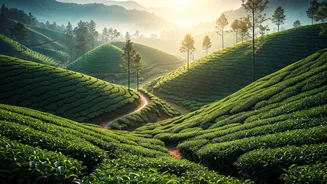
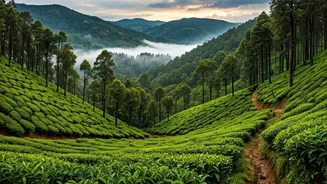
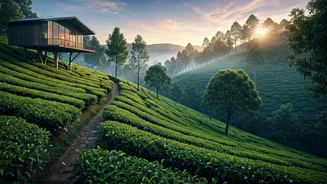
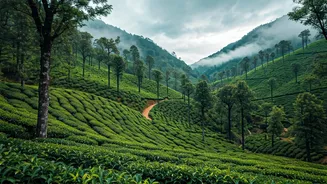
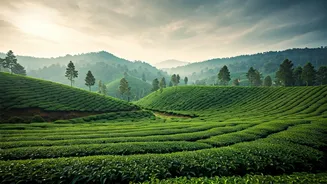
If Coorg is about the robust flavor of coffee, Munnar, in the neighboring state of Kerala, is about the delicate art of tea. The landscape here is dramatically different: vast, manicured tea gardens sweep across the mountainsides in impossible shades of green, often shrouded in a cinematic mist. Munnar feels more high-altitude and epic in scale. This is the place for postcard-perfect vistas, particularly from spots like Top Station or the Eravikulam National Park, home to the endangered Nilgiri tahr. While it also has coffee and spice, tea is king, and visiting a tea museum or factory to witness the process from leaf to cup is a quintessential Munnar experience. It’s the ideal destination for photographers and those seeking pure, unadulterated scenic beauty.
So, Why Is It So Packed?
The headline isn’t exaggerating. The surge in visitors is driven by a perfect storm of factors. Firstly, a massive boom in Indian domestic travel, fueled by rising incomes and better connectivity. Post-pandemic “revenge travel” saw millions of people eager to escape cities for open, natural spaces. Secondly, social media has put these destinations on the global map. A single viral Instagram reel of mist rolling over Munnar’s tea fields can inspire thousands of trips. This has led to traffic jams on narrow mountain roads, fully booked hotels during peak season (December–January and April–May), and a phenomenon known as “overtourism” in the most accessible spots. The popularity is a testament to their beauty, but it presents a new challenge for travelers.
How to Visit Without the Crowds
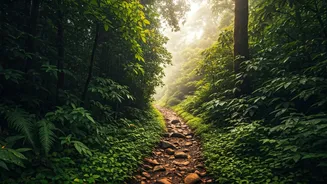
Navigating the crowds is possible with a little planning. The key is to travel during the shoulder seasons. The post-monsoon period from September to November offers lush green landscapes with fewer people. This is when the hills are at their most vibrant. Instead of staying in the main towns of Madikeri (Coorg) or Munnar Town, book a boutique homestay or a plantation resort further afield. This not only provides a more authentic experience but also disperses tourist traffic. Finally, wake up early. The most famous viewpoints are often empty at sunrise, giving you a private showing of the mountains waking up. Ask your local host for tips on lesser-known trails and waterfalls—the real magic of these places is often found just off the beaten path.