

The End of the ‘Guest Room’ Era
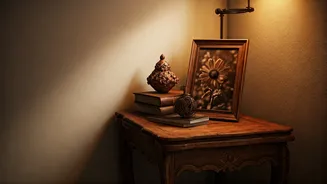
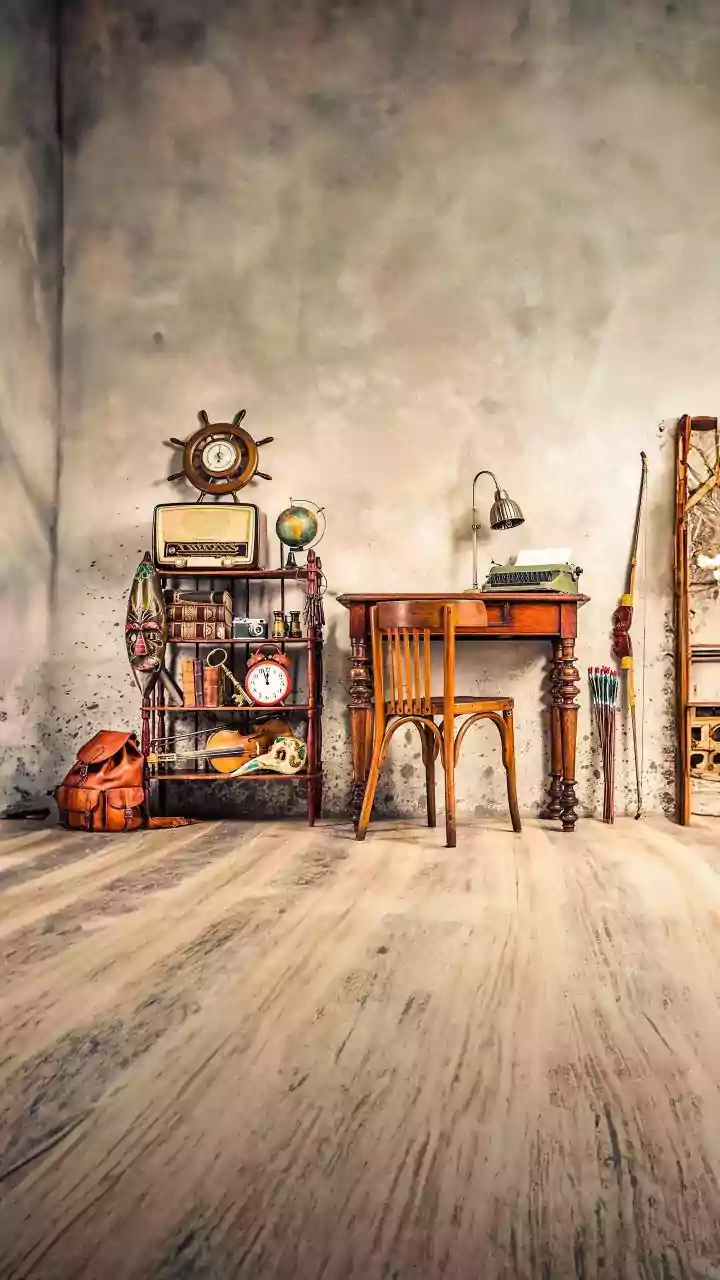
For decades, a certain type of interior design dominated many middle- and upper-class Indian homes. Think heavy, carved rosewood furniture, rooms crowded with brass figurines, and a formal living room—often sealed off and preserved in pristine condition—strictly
for guests who were meant to be impressed. This was the ‘decor drama’: a focus on performative ornamentation over personal comfort. These spaces were often beautiful but also impractical and, in a way, impersonal. They spoke of status and tradition but left little room for the chaotic, authentic life of the family that lived there. That entire philosophy is now being questioned and largely dismantled by a new generation of homeowners.
Function First, Form Follows
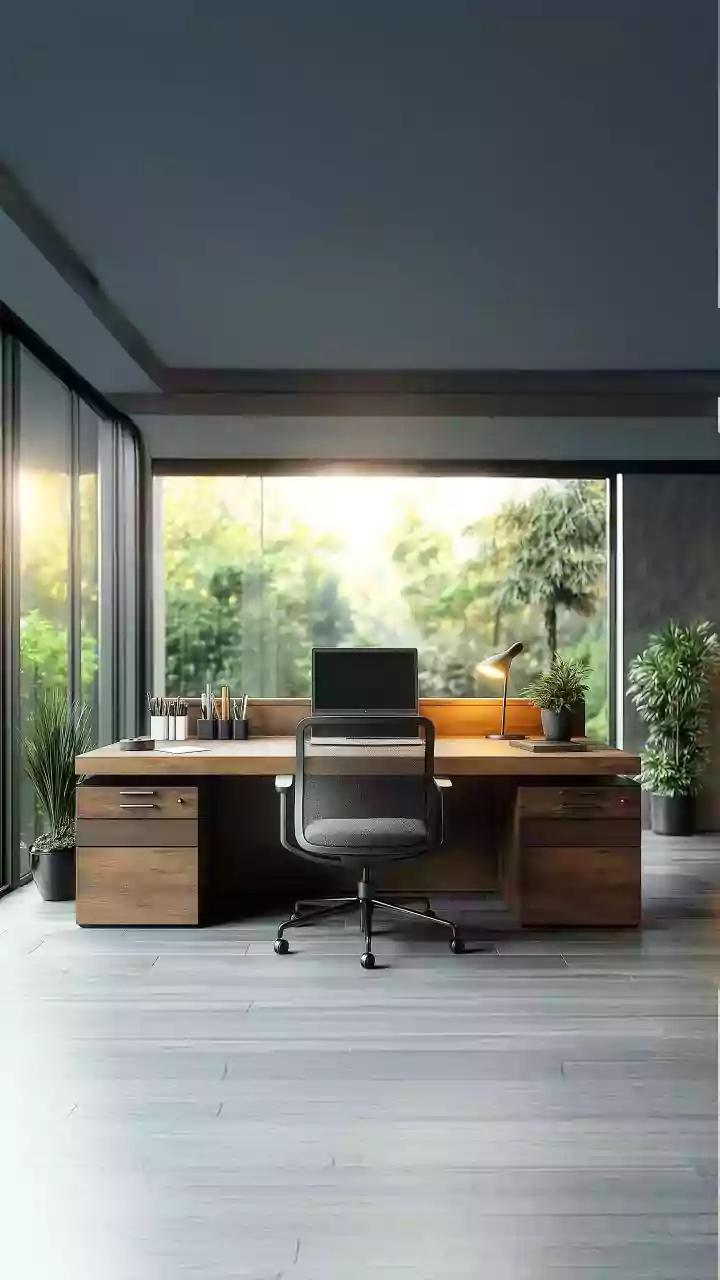
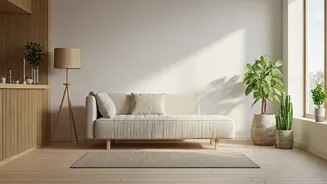
The primary driver of this change is practicality. As India’s cities grow denser, apartment sizes are shrinking. The sprawling multi-generational home is giving way to compact two- and three-bedroom units in high-rises. In this new reality, every square foot counts. There’s no space for a sofa that’s too big to be comfortable or a dining table that only gets used twice a year. Designers and homeowners are now prioritizing multi-functional furniture, clever storage solutions, and open-plan layouts that make smaller spaces feel larger and more usable. The home is no longer a museum of family status; it’s a hardworking machine for modern living, especially for dual-income couples with less time for dusting intricate carvings.
Redefining ‘Indian Modern’
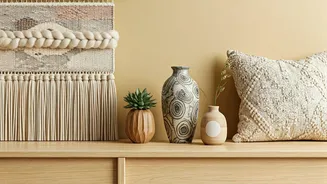
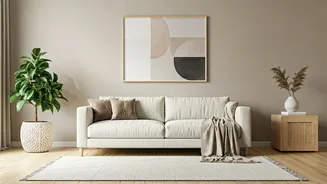
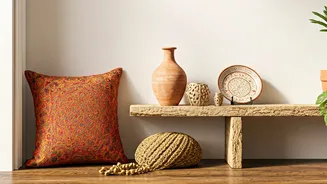
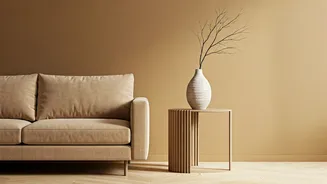
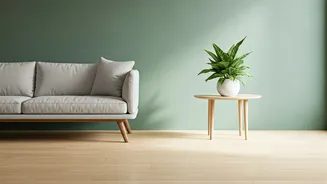
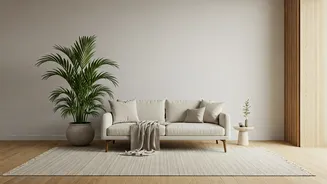
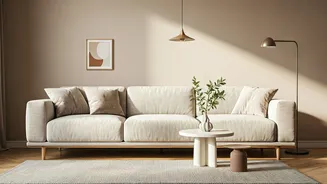
This isn't about simply adopting Western minimalism wholesale. Instead, designers and residents are forging a new aesthetic often called ‘Indian Modern’ or ‘Modern Indian.’ It’s a confident blend of global design principles and curated Indian heritage. The new look is defined by clean lines, neutral palettes (think whites, beiges, and grays), and an abundance of natural light. But it’s punctuated with meaningful nods to tradition. Instead of a room cluttered with ten inherited objects, there might be one beautifully restored antique chest used as a coffee table. Instead of heavy brocade curtains, you might find light, hand-block-printed cotton drapes from Jaipur. The color and vibrancy India is famous for now appear in a focused way—through a striking piece of contemporary Indian art, a single brightly colored rug, or a collection of handmade ceramic pottery.
Authenticity Over Ornament
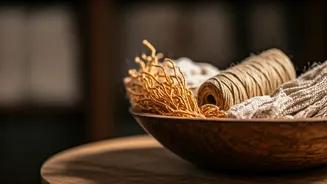
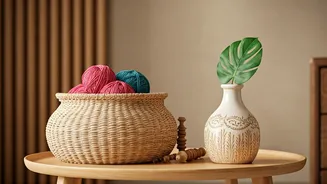
Underpinning this entire movement is a shift in values. A generation exposed to global trends through Instagram, Pinterest, and travel is less interested in conforming to a prescribed idea of ‘Indianness.’ They are more interested in expressing their personal story. The home has become a canvas for self-expression. The focus is on surrounding oneself with objects that have meaning: a piece of art bought on a memorable trip, furniture inherited from a grandparent and thoughtfully updated, or a collection of books that reflects one’s passions. The goal is no longer to impress the outside world but to create a sanctuary that feels authentic to the people who live inside it. This also ties into a growing appreciation for sustainability and local craftsmanship. There’s a move toward natural, indigenous materials like jute, rattan, cane, and locally sourced wood, celebrating the skill of Indian artisans in a contemporary context.