






What Exactly Is a 'Soft Life'?
First, let's define the term. The “soft life” isn’t about being lazy or avoiding responsibility. It’s a conscious, deliberate choice to prioritize peace, comfort, and well-being over the relentless pursuit of achievement at all costs. Emerging primarily
from Black women on social media, the concept is a direct rebuttal to the “grindset” mentality and the “girlboss” era that glorified burnout as a badge of honor. It reframes success not as a function of how much you struggle, but as a measure of your contentment and ease. Living a soft life means intentionally seeking out moments of low-stress, high-pleasure enjoyment. It’s about creating an environment where you feel safe, serene, and nourished—emotionally, mentally, and physically. Instead of constantly pushing, you’re allowing. Instead of striving, you’re savoring. And that’s where things like high tea come in.
The Ritual of High Tea
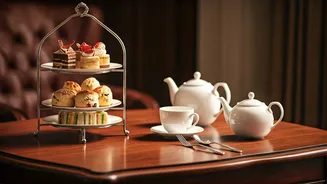
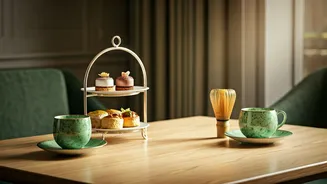
High tea (or more accurately, afternoon tea, which is the version with tiny sandwiches and scones most Americans picture) is the perfect vehicle for the soft life ethos. It’s a ritual with built-in rules for slowing down. You can’t rush a three-tiered platter. The experience demands you sit, sip, and nibble with intention. Each element is small, curated, and designed for delight, not just sustenance. There’s a comforting formality to it—the porcelain cups, the clink of silverware, the polite conversation—that feels like a world away from scarfing down a salad at your desk. It’s a designated, screen-free block of time carved out purely for pleasure and connection. In a world that prizes efficiency, the beautiful inefficiency of afternoon tea is its greatest strength. It’s an accessible luxury that delivers a feeling of abundance and old-world elegance, making it an ideal backdrop for someone cultivating a life of softness.
Enter the Matcha Aesthetic
If high tea provides the traditional framework, matcha brings the modern, wellness-inflected vibe. Matcha isn’t just a drink; it’s a cultural signifier. Its brilliant green hue is instantly recognizable and incredibly photogenic, making it a star on Instagram and TikTok. But its appeal runs deeper. Associated with Japanese tea ceremonies, matcha carries its own history of mindful preparation and consumption. It also comes with a host of wellness credentials. It's packed with antioxidants and contains L-theanine, an amino acid known for promoting a state of relaxed alertness—a stark contrast to the jittery buzz of a triple-shot espresso. This “calm energy” aligns perfectly with the soft life’s goal of feeling good without feeling frantic. When you see matcha plates—a latte paired with a matcha-flavored croissant, mochi, or a slice of basque cheesecake—it represents a modern, slightly healthier take on indulgence. It’s pleasure with a hint of self-care.
More Than Just a Snack
Combining high tea with matcha plates isn't just about mixing old and new. It’s about curating a specific experience that feels both decadent and intentional. This trend isn’t about gluttony; it’s about aesthetics and atmosphere. It’s the visual pleasure of a perfectly arranged tray, the tactile satisfaction of a warm cup, and the emotional release of knowing this time is reserved for you. Whether enjoyed with a friend or in peaceful solitude, the act itself is the goal. It’s a form of radical self-permission in a society that often makes us feel we have to “earn” our rest. By embracing these moments, people are making a quiet but firm statement: My peace is productive. My joy is a priority. This experience is not a reward for my hard work; it is an essential part of my life.