



The Paradox of a Sacred Offering
In India, faith is often expressed through flowers. Millions of marigolds, roses, and jasmine blossoms are offered at temples every single day as a sign of devotion. But what happens to these sacred offerings once the prayers are finished? For decades,
the answer was a significant environmental problem. An estimated 8 million metric tons of temple flowers were discarded annually, with a vast majority ending up in India’s already fragile river systems, like the Ganges. As the flowers decompose in the water, they release pesticides and chemical fertilizers used in their cultivation, depleting oxygen levels, harming aquatic life, and polluting a vital water source for millions. This created a painful paradox: a beautiful act of faith was inadvertently contributing to the degradation of the environment.
From Waste to Wonder
A new generation of social entrepreneurs saw this problem not as waste, but as a resource waiting to be transformed. They began collecting the tons of discarded flowers from temples and riverbanks, launching a movement known as “flowercycling.” The concept is simple but revolutionary: intercept the flowers before they become pollutants and give them a second life. This idea has blossomed into several inspiring enterprises that hire marginalized community members, particularly women, to sort, process, and upcycle the floral waste. What was once a source of pollution is now a source of livelihood and empowerment, turning a linear problem of waste into a circular solution of value.
Crafting the Colors of Consciousness
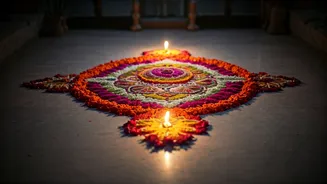
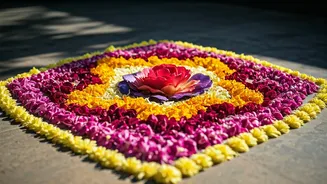
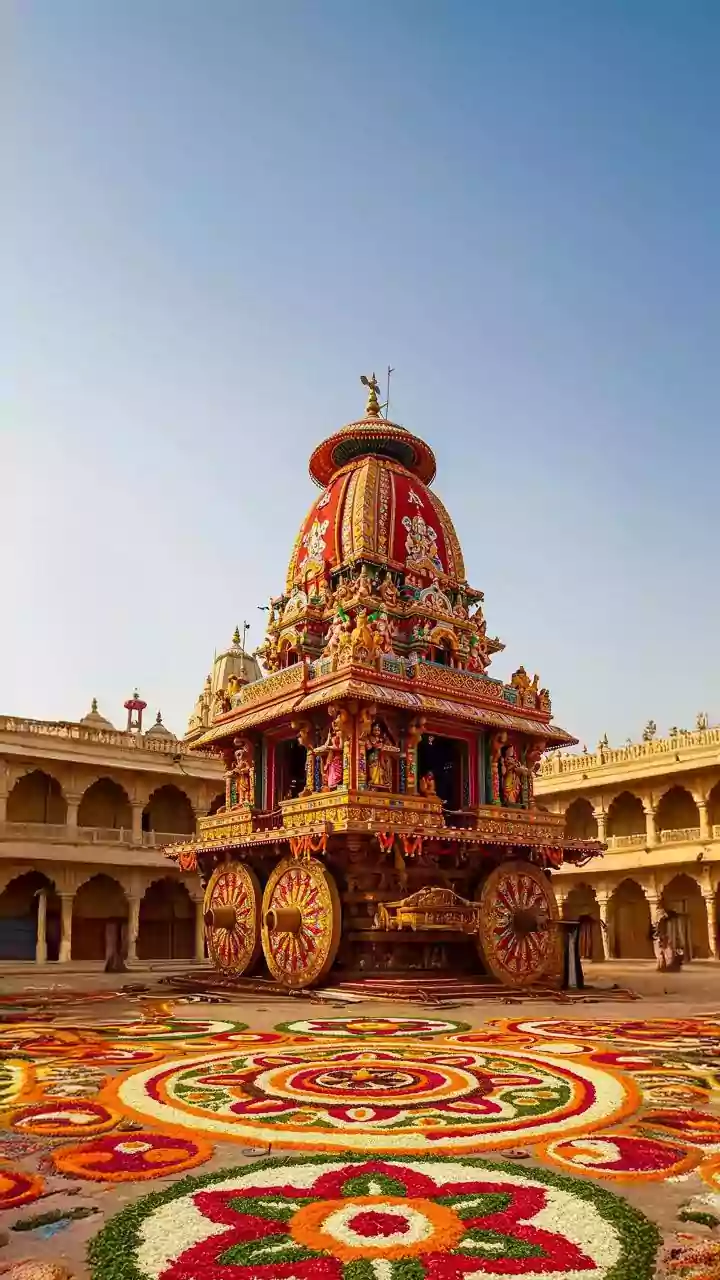
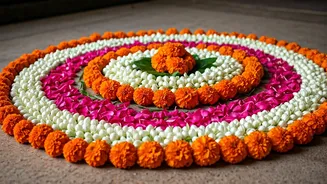
One of the most beautiful products to emerge from this movement is zero-waste rangoli powder. Rangoli is a traditional Indian art form where intricate patterns are created on the ground using colored powders, typically during festivals like Diwali. Historically, these colors were made from natural ingredients like turmeric, rice flour, and flower petals. In recent decades, however, cheap, synthetic powders made with toxic chemicals have become the norm. The flowercycling initiatives are reviving the original, natural spirit of the art. The collected temple flowers are separated by color, dried, and ground into fine, vibrant powders. A yellow powder might come from marigolds, a deep red from roses, and so on. The result is a set of 100% natural, biodegradable, and skin-safe colors. They are not only better for the environment but also safer for the families who use them, especially children who love to participate in creating the art.
More Than Just a Beautiful Pattern
Choosing to use rangoli powders made from temple flowers is about more than just aesthetics. It’s a conscious consumer choice that supports a whole ecosystem of positive change. It helps divert waste from landfills and waterways, reduces pollution, provides stable employment, and preserves a cultural art form in its most authentic state. These initiatives are a powerful example of a circular economy in action, where tradition and innovation merge to solve a modern problem. While one box of rangoli powder won’t single-handedly save the planet, it represents a mindset shift. It proves that solutions to environmental challenges can be beautiful, culturally resonant, and economically empowering. It's a small act of creativity that ripples outward, creating a pattern of positive change.