



First, What Is Monsoon Season?
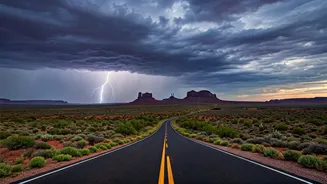
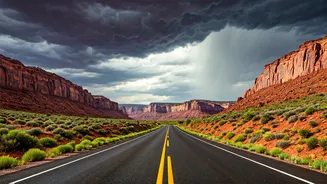
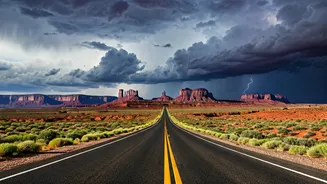
For those who picture the desert as perpetually sunny and bone-dry, the North American monsoon is a spectacular interruption. Typically running from mid-June through September, it’s a seasonal shift in wind patterns that pulls humid air from the Pacific
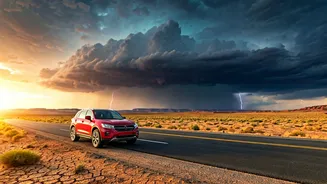
Ocean and Gulf of Mexico into the Southwest. The result? Abrupt, dramatic, and highly localized thunderstorms that can drop immense amounts of rain in a short time. After years of lackluster seasons hampered by drought, recent patterns have brought more robust and visually stunning storms back to states like Arizona and New Mexico, reviving the landscape and the unique road trip it inspires.
Tip 1: Explore Arizona’s Sky Islands
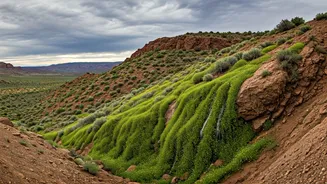
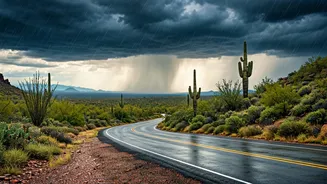
One of the best places to witness the monsoon’s power is southeastern Arizona. The 'Sky Islands'—isolated mountain ranges like the Chiricahuas, Huachucas, and Santa Catalinas—jut out of the desert floor, creating their own weather systems. A drive along State Route 82 or 83 south of Tucson takes you through rolling grasslands that turn a shocking green during the rains. Here, you can watch storms build over the mountains from a safe distance. The classic scent of creosote bush, released by the rain, is the signature perfume of the Sonoran Desert in summer. Base yourself in a town like Patagonia or Bisbee and spend your days chasing dramatic skies and enjoying the cooler, post-storm air.
Tip 2: Chase Storms Near Santa Fe
New Mexico offers a different but equally compelling monsoon experience. The high desert landscape around Santa Fe and Taos provides vast, open vistas perfect for storm-watching. The dark, anvil-shaped clouds contrast brilliantly with the earthy tones of the adobe architecture and the deep green of pinon and juniper trees. A drive along the High Road to Taos becomes a front-row seat to atmospheric drama. The storms here often roll in during the afternoon, leaving behind incredible sunsets, double rainbows, and a world that feels washed clean. The combination of powerful nature and rich local culture makes for an unforgettable trip.
Tip 3: Master Road Trip Safety
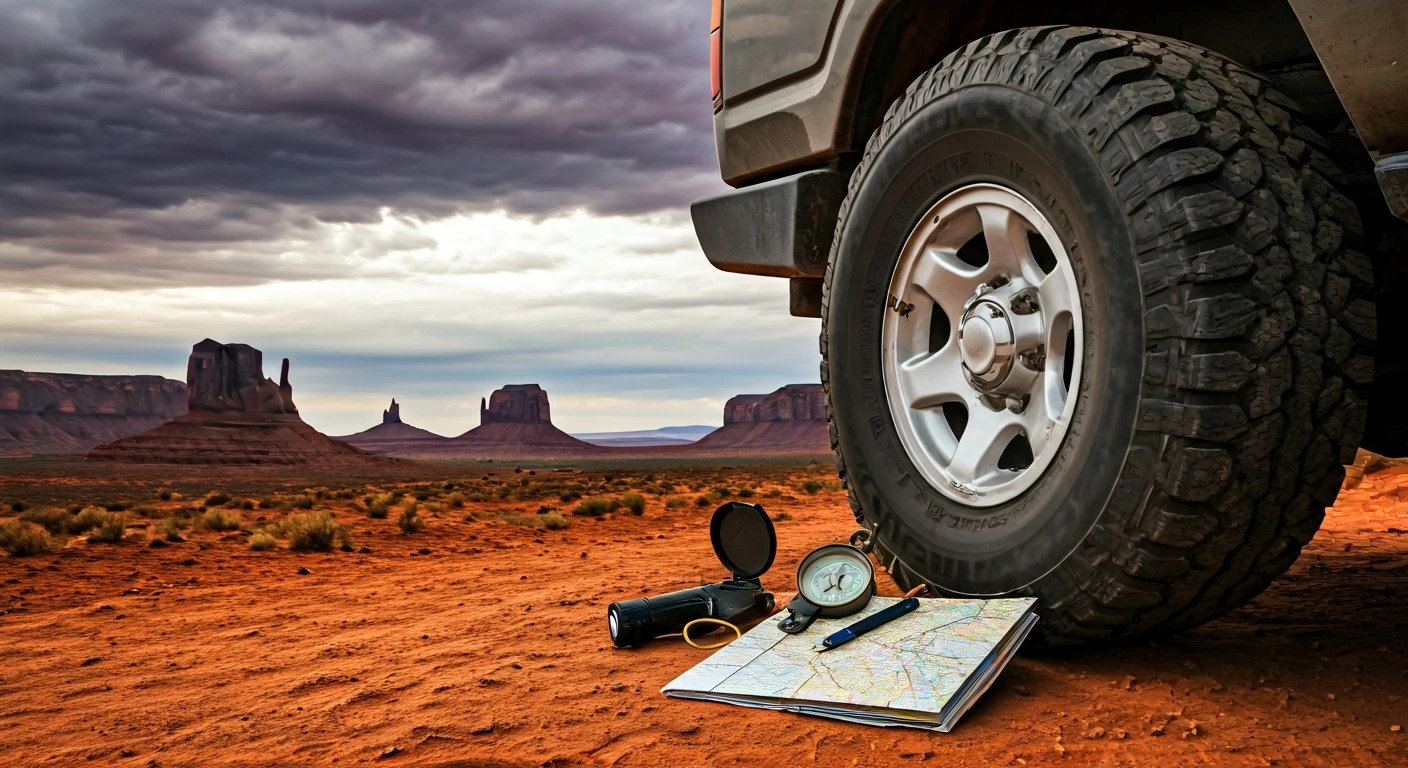
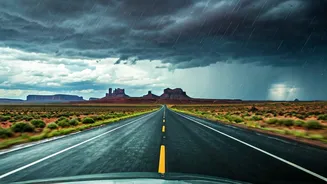
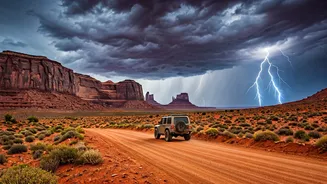
This is non-negotiable. Monsoon storms are beautiful but dangerous. The primary threat is flash flooding. A dry wash or benign-looking dip in the road can become a raging torrent in minutes. Never, ever attempt to drive through a flooded roadway—turn around, don’t drown. Always check the daily forecast from the National Weather Service before you set out. Tell someone your route, and be aware that cell service can be spotty in remote areas. It’s wise to download maps for offline use. Finally, be mindful of lightning; enjoy the show from inside your vehicle or a sturdy building, not from an exposed ridge.
Tip 4: Pack for Weather Whiplash
Packing for a monsoon road trip requires thinking in extremes. You’ll need lightweight, breathable clothing for the hot, humid conditions before a storm, but also a reliable rain jacket for when the downpour hits. Temperatures can drop 20 degrees or more in a matter of minutes. Sturdy, closed-toe shoes are a must, as the desert floor can become muddy and slick. Most importantly, pack extra water and snacks in your car. A flash flood could temporarily close a road, and you’ll want to be prepared to wait it out comfortably. A portable phone charger is also an essential piece of your emergency kit.
Tip 5: Capture the Perfect Photo (From a Distance)
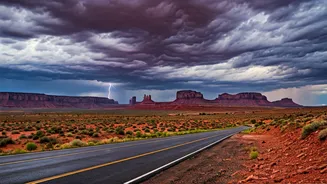
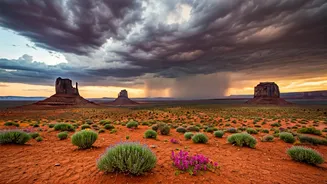
For photographers, monsoon season is a dream. The cloud formations, lightning strikes, and saturated post-rain colors offer endless opportunities. A tripod is helpful for capturing lightning with a long exposure, but safety is paramount. The best practice is to shoot from a safe location, using a zoom lens to frame distant storms. Many photographers find a spot with a clear view of the horizon and wait for the show to begin. Don’t get so caught up in getting the shot that you ignore your surroundings. The most memorable part of the experience isn't just the photo, but the feeling of witnessing nature's raw, untamed beauty.