





The Meaning of 'Nirjala'
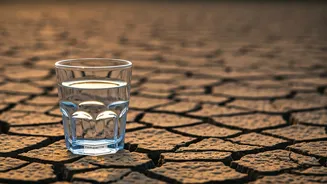
To understand the challenge, you have to start with the name. In Sanskrit, ‘nir’ means ‘without,’ and ‘jal’ means ‘water.’ So, Nirjala Ekadashi is literally the ‘waterless eleventh day.’ While many fasts involve forgoing food, this one requires devotees
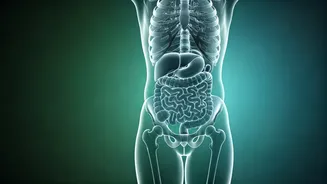
to abstain from all liquids for a full 24 hours, from sunrise on Ekadashi day to sunrise the next day. This complete lack of hydration is what elevates it from a difficult fast to an extreme test of physical and mental endurance. In the heat of early summer when it typically falls (in the Hindu month of Jyeshtha, usually May or June), going without a single sip of water presents a profound physiological challenge, demanding immense willpower and devotion from those who observe it.
The Legend of the Strongest Pandava
The fast's origin story is as compelling as its rules. According to Hindu scripture, particularly the Mahabharata, the practice is closely associated with Bhima, the second of the five Pandava brothers, renowned for his superhuman strength and equally legendary appetite. The sage Vyasa advised the Pandavas to fast on every Ekadashi—the eleventh day of each lunar fortnight—to attain spiritual merit. While his brothers could manage it, Bhima, a great lover of food, found it impossible to fast twice a month. Distraught at being unable to fulfill his religious duties, he sought a solution. Vyasa offered him a powerful compromise: if he could perfectly observe just one fast a year—the Nirjala Ekadashi—he would reap the spiritual benefits of all 24 other Ekadashi fasts combined. Bhima agreed, undertaking the grueling waterless fast and lending it one of its other names: Bhimseni Ekadashi.
More Than Just Physical Austerity
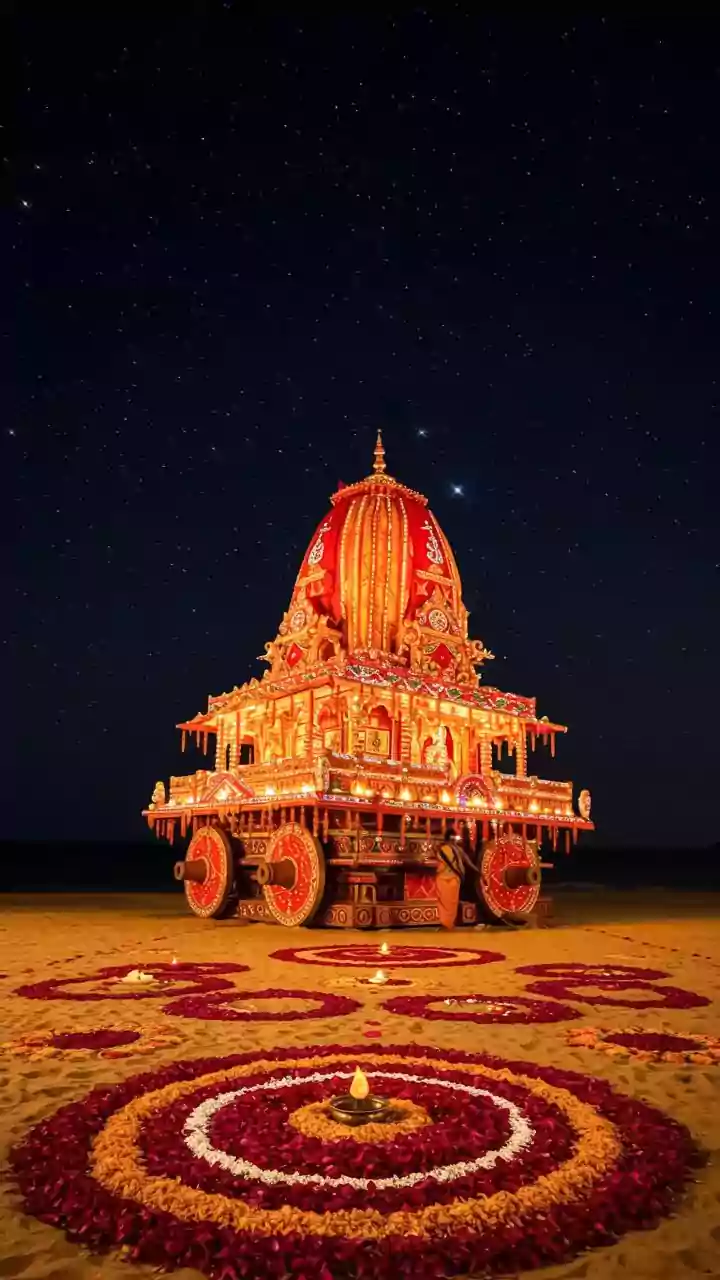
While the physical hardship is what defines Nirjala Ekadashi in popular perception, its purpose is deeply spiritual. The fast is dedicated to Lord Vishnu, the preserver in the Hindu trinity. For devotees, the intense self-control required is not an act of self-punishment but a profound expression of faith and devotion. By detaching from the body's most basic needs for food and water, practitioners aim to quiet the mind, purify the soul, and turn their focus entirely toward the divine. It’s seen as a powerful internal cleanse, flushing out not just physical toxins but also negative thoughts and spiritual impurities. The day is typically spent in prayer, meditation, and chanting mantras dedicated to Vishnu, transforming physical discomfort into a vehicle for spiritual connection.
The Ultimate Spiritual Investment
The promise that observing this single day grants the merit of a full year's worth of fasting is a major reason for its high status. For Hindus who may find it difficult to observe all 24 Ekadashi fasts throughout the year due to work, health, or other obligations, Nirjala Ekadashi offers a path to fulfill their spiritual goals in one concentrated, powerful act of devotion. This belief frames the fast not just as a test but as a unique opportunity. It’s a spiritual shortcut, but one that requires navigating the most difficult terrain. The combination of its extreme physical demands, its dramatic mythological origin, and the immense spiritual reward it promises is what cements its reputation as the undisputed king of fasts in the Hindu tradition.