




What Are We Even Tracking?
First, let's demystify the term. A 'biomarker' is just a measurable sign of what’s happening in your body. We’ve used basic ones for years, like body temperature when you’re sick or blood pressure at a check-up. The revolution isn't the marker itself,
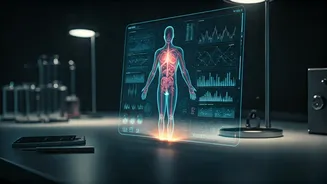
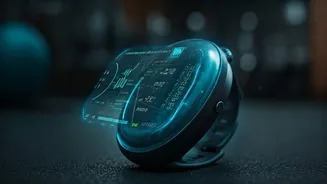
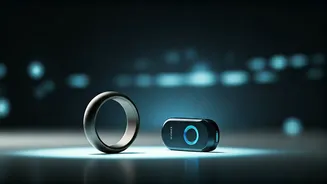
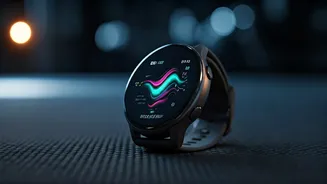
but the access. Thanks to consumer-friendly wearables like continuous glucose monitors (CGMs), smart rings (like Oura), and advanced fitness trackers (like Whoop), you can now see second-by-second data on things that used to require a lab visit. We're talking blood sugar levels, heart rate variability (HRV), sleep stages, and body temperature. This isn’t about diagnosing disease; it's about optimizing well-being by seeing the direct cause-and-effect of your daily choices.
The Food Upgrade: Your Personalized Fuel Gauge
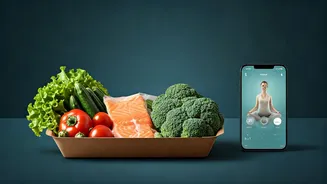
You think that oatmeal with fruit is the pinnacle of a healthy breakfast, but 30 minutes later, you feel sluggish and unfocused. What gives? A continuous glucose monitor (CGM), a small sensor that sits on your arm, gives you the answer instantly. It reveals precisely how your unique body responds to different foods. For one person, a banana is a great energy source; for another, it sends their blood sugar soaring, leading to an inevitable crash. By seeing this data in real time, you learn to make simple, powerful swaps. Maybe you add a scoop of protein powder to that oatmeal or pair the banana with a handful of almonds to blunt the glucose spike. This isn't about dieting; it's about eating for stable energy and learning what fuel your engine runs on best.
The Sleep Upgrade: Hacking Your Recovery
We all know we need eight hours of sleep, but we also know that some eight-hour nights leave you feeling refreshed while others feel like a waste of time. Biomarker trackers on your finger or wrist finally explain why. They measure not just the duration but the *quality* of your sleep, breaking it down into Light, Deep, and REM stages. More importantly, they track your Heart Rate Variability (HRV)—a key indicator of your nervous system's recovery. You can see, in plain numbers, how that late-night glass of wine or scrolling on your phone before bed decimated your deep sleep and lowered your HRV. The 'instant upgrade' comes the next night, when you skip the wine or put the phone away an hour earlier and wake up to see a higher recovery score, feeling the difference in your energy levels.
The Fitness Upgrade: Knowing When to Push
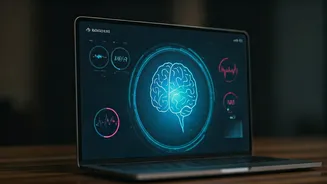
For years, workout plans have been generic. 'Monday is leg day, Tuesday is cardio.' But what if you had a terrible night's sleep? Pushing through a heavy squat session might do more harm than good. This is where a 'readiness score,' derived from your sleep data, body temperature, and HRV, becomes a game-changer. Your tracker might give you a score of 90% and a green light to go for a personal record. Or, it might show a 55% and suggest an active recovery day with a light walk or some stretching. This transforms your approach from a rigid schedule to a dynamic conversation with your body. You train harder when your body is primed for it and rest when it needs it, leading to better gains, fewer injuries, and less burnout.
A Reality Check: Data vs. Wisdom
The headline's promise of 'instantly now' needs a dose of reality. The *feedback* is instant. The *upgrade* still requires your participation. Seeing your blood sugar spike is one thing; choosing to eat differently is another. There’s also a risk of data anxiety—obsessing over every single number and letting the tech run your life. The real power of biomarker tracking isn’t in reacting to every tiny fluctuation. It's about spotting trends over weeks and months. It's about developing a deeper intuition for what your body is telling you, using the data as a guide, not a dictator. The goal is to eventually not need the tracker as much, because you’ve already internalized the lessons it taught you.