

From Forgotten Grains to Superfoods
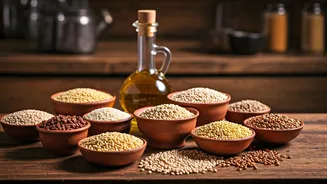
For generations, the Indian diet was incredibly diverse, built on a foundation of hearty millets, protein-rich lentils, and unique regional produce. But over the last half-century, a globalized food system pushed many of these staples aside in favor of more
commercially viable (and often less nutritious) crops like wheat and polished rice. Ingredients that were once the backbone of everyday cooking became relegated to rural kitchens or dismissed as “poverty food.” Now, a powerful convergence of wellness trends, culinary curiosity, and food technology is flipping the script. Entrepreneurs and scientists are looking back into this deep well of traditional ingredients and asking a simple question: How can we make these ancient powerhouses fit for a modern lifestyle? The answer lies in applying smart science to solve old problems, unlocking the full potential of foods that were healthy and sustainable all along.
The Mighty Millet's Makeover
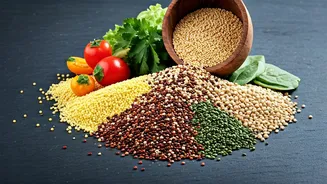
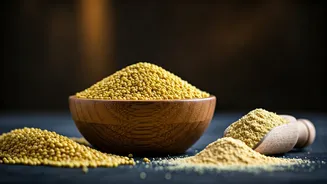
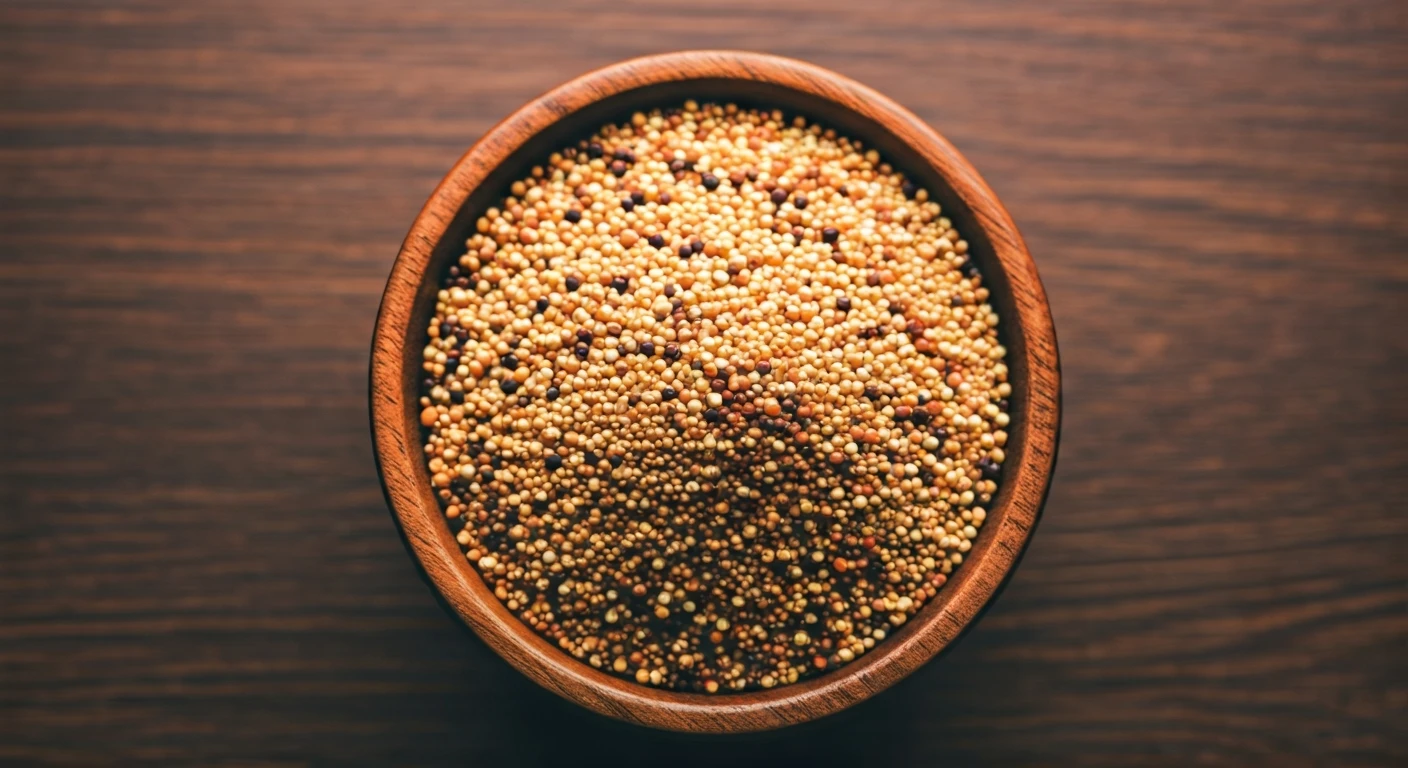
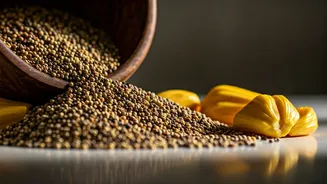
If there’s a poster child for this comeback, it’s the millet. This family of small-seeded grasses, including varieties like finger millet (ragi) and pearl millet (bajra), is a nutritional juggernaut. They are naturally gluten-free, high in protein and fiber, and incredibly drought-resistant, making them a climate-friendly crop. So why did they disappear? Because they were a hassle. De-husking them was labor-intensive, and their flour had a short shelf life.
Food science provided the solution. Modern milling techniques can now process millets efficiently, while innovative processing turns them into versatile, quick-cooking flakes, puffs, and ready-to-use flours. Companies are creating millet-based pancake mixes, breakfast cereals, and pastas that offer the convenience of their wheat-based counterparts but with a superior nutritional profile. By removing the barriers of preparation and spoilage, science has put this ancient super-grain back on the table for busy, health-conscious consumers.
Jackfruit: The Humble Fruit Turned Global Star
Another stunning transformation is that of the jackfruit. In South and Southeast Asia, this massive, spiky fruit was a common backyard crop, often eaten in curries when young and unripe or as a sweet fruit when mature. But its perishability, sticky latex, and sheer size made it impractical for commercial markets. It was a classic example of a high-potential food locked behind logistical challenges.
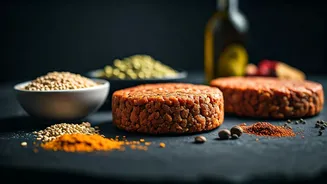
Enter food processing technology. Companies figured out how to harvest, process, and package unripe jackfruit in a way that preserves its uniquely stringy, meat-like texture. By canning it in brine or vacuum-sealing it, they created a shelf-stable product that could be shipped worldwide. Marketed as a natural, whole-food alternative to processed soy or wheat-based meat substitutes, jackfruit has exploded in popularity in the U.S. as the go-to ingredient for vegan pulled pork and shredded “chicken.” It’s a perfect case of science transforming a local, perishable staple into a global commodity.
Innovating Fermentation and Convenience
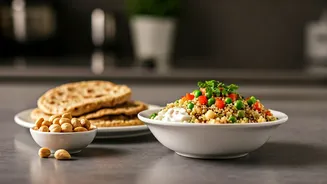
The innovation isn't just about single ingredients; it’s also about entire preparations. Take dosa and idli, the iconic fermented rice and lentil crepes and cakes from South India. Making the batter from scratch is a multi-day process of soaking, grinding, and fermenting. While refrigerated batters have been available in India for years, food scientists are now perfecting powders and shelf-stable liquid batters that deliver authentic taste with far greater convenience and consistency.
Using techniques like freeze-drying and careful formulation of leavening agents, companies can now offer mixes that only require water and a few hours to ferment, or sometimes no time at all. This allows anyone, anywhere, to enjoy a fresh, healthy, probiotic-rich meal without the traditional labor. This scientific intervention doesn't change the food's soul; it just removes the friction, making an ancient health food accessible to a 21st-century schedule.