



California's Deserts: A Fading Superbloom
After a winter of substantial rainfall, parts of California have been blessed with a 'superbloom,' where desert landscapes erupt in an extraordinary display of color. Anza-Borrego Desert State Park and the Antelope Valley California Poppy Reserve are
epicenters of this event. However, the clock is ticking. The intense sun and heat of late spring mean these delicate desert poppies, sand verbena, and desert lilies are already beginning to fade. The window for prime viewing in the low deserts is closing fast, typically lasting from March through April. For trekkers, this is a final call to witness the Mojave and Sonoran deserts in a way they are rarely seen. Check park websites for the very latest bloom status, as conditions can change daily.
Texas Hill Country: The Bluebonnet Farewell
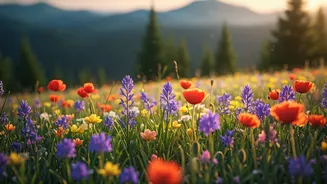
There is nothing quite like the sea of blue that blankets the Texas Hill Country each spring. Bluebonnets, the state flower, create iconic vistas that draw visitors from all over. But this beloved spectacle has a notoriously short run. Peak season is typically late March through mid-April. By May, the flowers have gone to seed, leaving behind the lush greenery of early summer. Parks like the Lyndon B. Johnson National Historical Park and the roads along the 'Willow City Loop' near Fredericksburg offer classic viewing opportunities. If you want to see the bluebonnets, Indian paintbrushes, and Mexican hats in their full glory, the time to go is right now. Any delay risks missing the show entirely.
Great Smoky Mountains: Ephemeral Beauties
The magic of the Great Smoky Mountains National Park in spring lies in its 'ephemerals'—wildflowers that emerge, bloom, and disappear in the short window before the forest canopy leafs out and blocks the sun. Species like trillium, lady slipper orchids, and spring beauties carpet the forest floor. The park's annual Wildflower Pilgrimage in late April is a major event, signaling the height of the season. Hikes along the Little River Trail or Porters Creek Trail are famous for their floral displays. While the season here extends a bit longer than in the desert, into early May for many species, the peak variety and density are happening now. For those seeking a lush, woodland flower experience, the time is ripe.
Colorado's Rockies: The Next Act
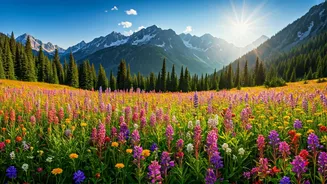
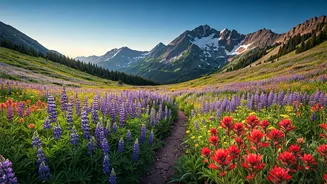
If you've missed the desert and prairie blooms, don't despair—look to the mountains. As the snow melts at higher elevations, a new wave of wildflowers prepares for its debut. Crested Butte, known as the 'Wildflower Capital of Colorado,' puts on an unbelievable display from late June through July. Fields of columbine, lupine, and sunflowers create a painter's palette against a backdrop of dramatic peaks. The key here is elevation; the bloom 'climbs' the mountains as the summer progresses. While this season hasn't started yet, it's the perfect time to plan. Popular trails can get crowded, so mapping out your trek to the West Maroon Creek Trail or Schofield Pass now will put you ahead of the curve for the summer's most vibrant alpine show.
Pacific Northwest: A Lush and Lasting Bloom
The Pacific Northwest offers a longer, more staggered wildflower season thanks to its diverse ecosystems. In Washington, the subalpine meadows of Mount Rainier National Park are legendary, but they don't peak until July and August. However, lower elevation blooms are happening now. The Columbia River Gorge, on the border of Washington and Oregon, is famous for its spring display of balsamroot and lupine, which typically peaks in April and early May. Trails like Dog Mountain and Tom McCall Point offer challenging hikes with incredible floral rewards. This region provides a good bridge for trekkers who have missed the earliest southern blooms but can't wait for the high-alpine summer season.