




Why Now? The Perfect Composting Storm
Calling composting the “biggest” habit of 2026 might sound bold, but the writing is on the wall—or rather, in the legislation. States like California, Vermont, and Massachusetts have already rolled out laws requiring residents and businesses to divert
food scraps from landfills. More cities and states are following suit, creating a powerful nudge for millions of Americans to rethink their trash cans. But it’s not just about regulations. There's a growing cultural appetite for tangible climate action. In an era of overwhelming climate news, composting offers a sense of direct control and positive impact. You can see your waste shrink and, eventually, see the rich soil you’ve created. This convergence of policy, technology, and a public desire for agency is what’s pushing composting from a niche hobby for gardeners into a mainstream, everyday practice.
Your Trash Is a Climate Problem
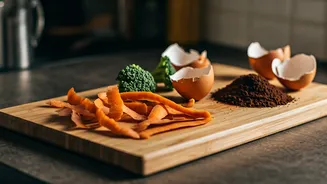
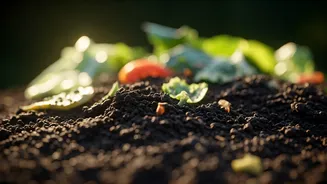
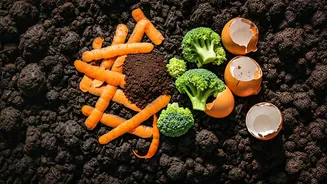
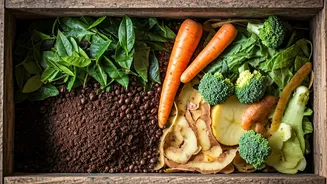
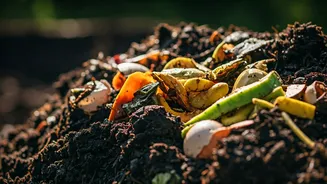
So, what’s the big deal with a few banana peels and coffee grounds in the trash? When organic waste gets tossed in a plastic bag and buried in a landfill, it’s deprived of oxygen. It decomposes anaerobically, a process that releases methane, a greenhouse gas over 25 times more potent at trapping heat in the atmosphere than carbon dioxide. According to the EPA, landfills are the third-largest source of human-related methane emissions in the United States. Composting completely changes that equation. By exposing kitchen scraps to oxygen, water, and microorganisms in a controlled environment (like a bin or pile), you facilitate aerobic decomposition. This process produces a small amount of carbon dioxide instead of potent methane, dramatically reducing the climate impact of your food waste. In short, you’re not just reducing trash; you’re preventing the creation of a super-pollutant.
From Grimy Chore to Countertop Chic
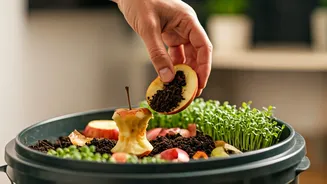
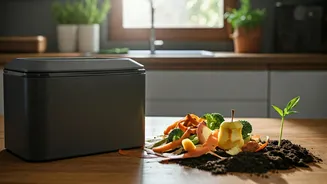
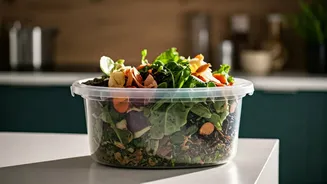
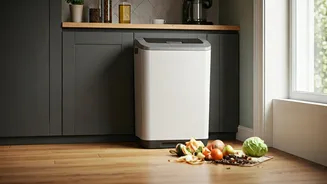
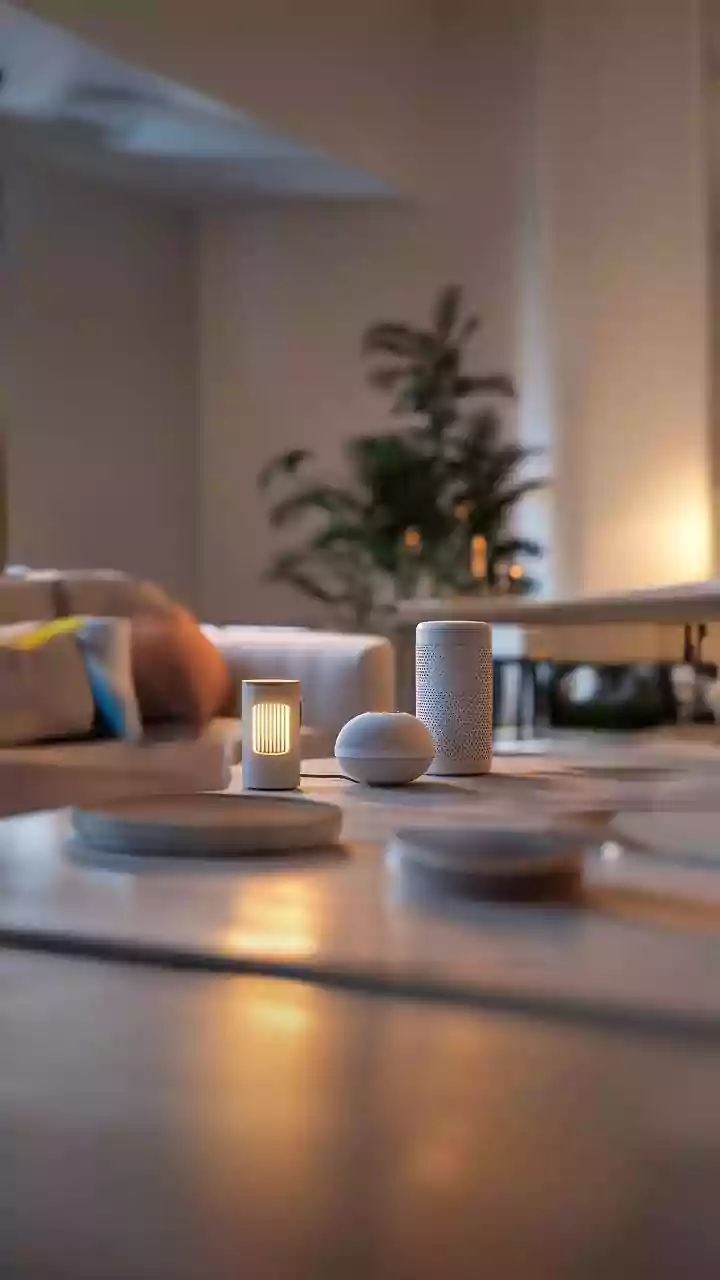
Let’s be honest: for years, composting had an image problem. It conjured up visions of smelly, pest-attracting piles in a huge backyard. But that’s a dated picture. Today’s composting is accessible, tidy, and can fit into any lifestyle, even a tiny apartment. Sleek, electric countertop composters can break down food scraps into a dry, soil-like material in a matter of hours with zero odor. For those with a bit more space, modern tumbler bins make turning the compost as easy as cranking a handle. And for city dwellers with no space at all, a growing network of options has emerged. Many municipalities now offer curbside organic waste pickup, just like recycling. In other areas, private services or community gardens provide convenient drop-off points, sometimes in exchange for a bag of finished compost later on.
How to Start Your Compost Journey
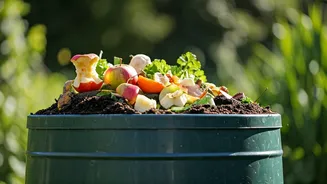
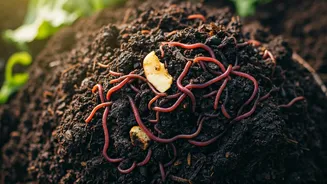
Ready to give it a try? The best method for you depends on your space, budget, and commitment level. Here are the main options: * **Backyard Bin or Pile:** The classic choice for homeowners. It requires some space and occasional turning with a pitchfork, but it can handle a large volume of yard and kitchen waste. * **Tumbler Bin:** A fully sealed barrel on a stand. It keeps pests out, contains odors, and is easier to turn than a pile. Great for suburban homes. * **Vermicomposting (Worm Bin):** Perfect for apartments and small spaces. A dedicated bin of red wiggler worms efficiently breaks down kitchen scraps into incredibly nutrient-rich castings. It’s odorless when managed correctly and can be kept indoors. * **Electric Composter:** The high-tech, fastest option. These countertop appliances dry, grind, and cool food scraps in under a day. It’s the most convenient (and expensive) method, producing a dehydrated material ready to be added to soil. * **Municipal or Private Service:** The most hands-off approach. Simply collect your scraps in a provided bin and leave it for pickup or drop it off at a designated location.