



The Rhythm of the Monsoon
Every year, the gates of Gir National Park close to visitors, and it’s not for a holiday. The park’s annual shutdown, which runs from June 16th to October 15th, is dictated by a force of nature: the Indian monsoon. This isn’t a mere inconvenience; it’s an essential
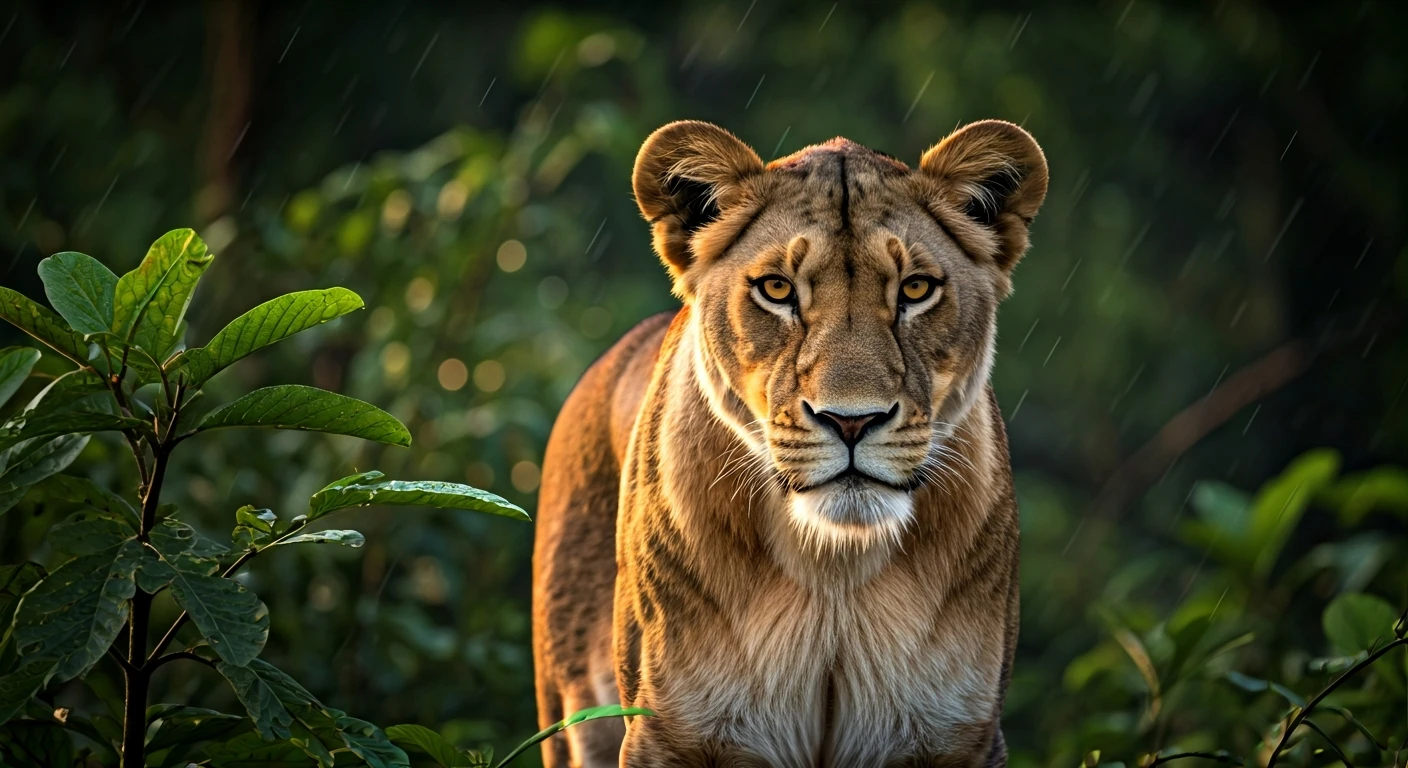
ecological reset. The heavy rains make the park’s dirt tracks impassable and dangerous, but more importantly, they rejuvenate the entire ecosystem. The forest floor erupts in green, waterholes are replenished, and the entire landscape breathes a sigh of relief after the long, dry summer. For the park’s resident animals, the tourist-free months are a crucial time for mating and raising their young in peace. This seasonal closure ensures the long-term health of the very habitat that makes Gir so unique, preserving it for generations of lions and visitors to come.
A Kingdom Unlike Any Other
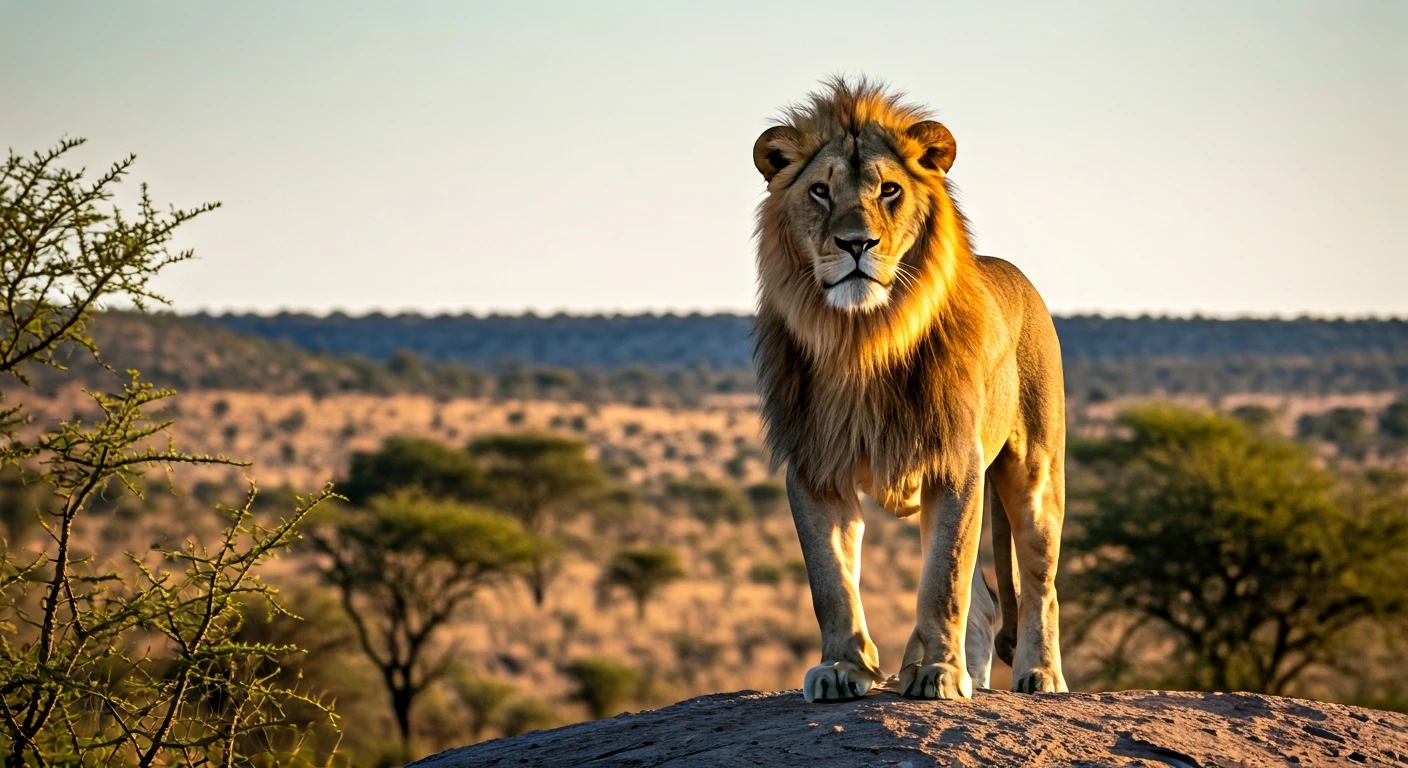
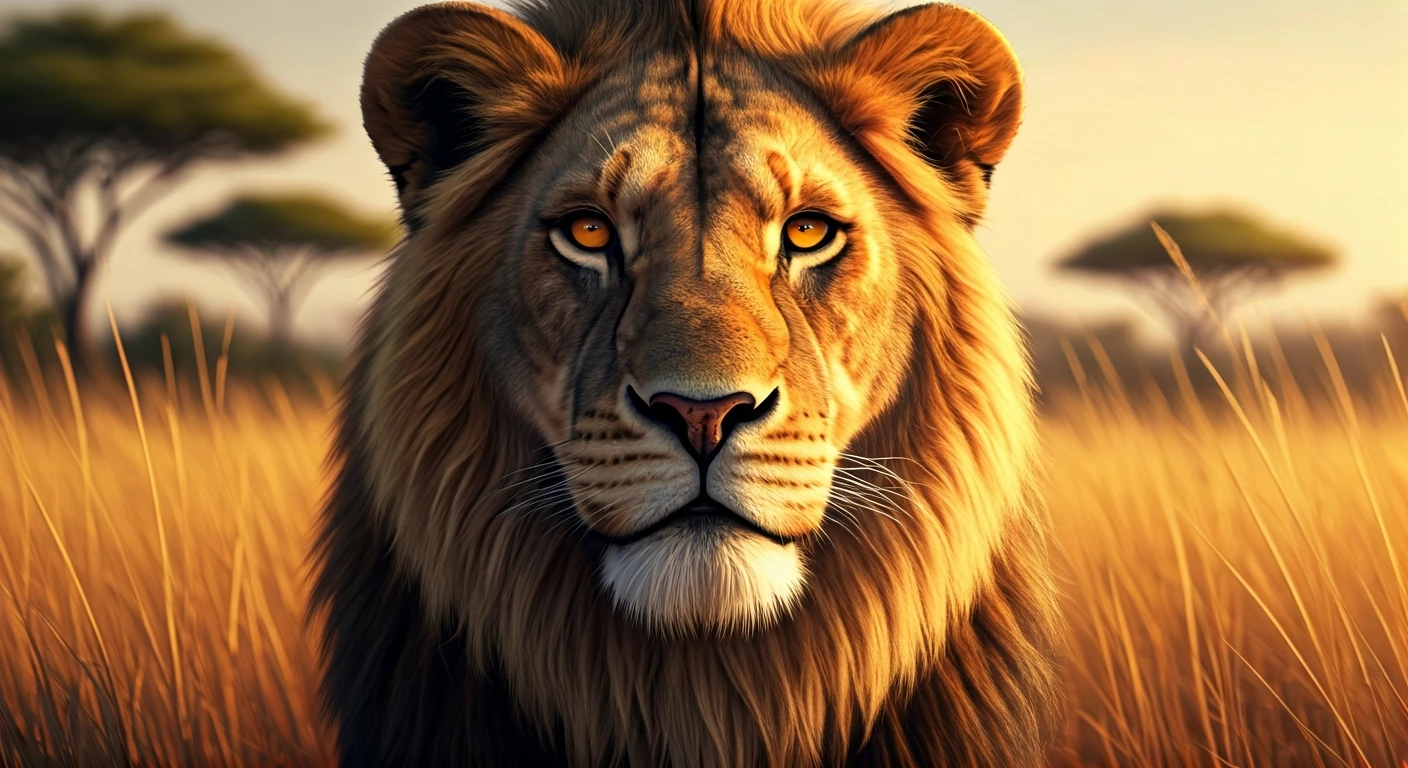
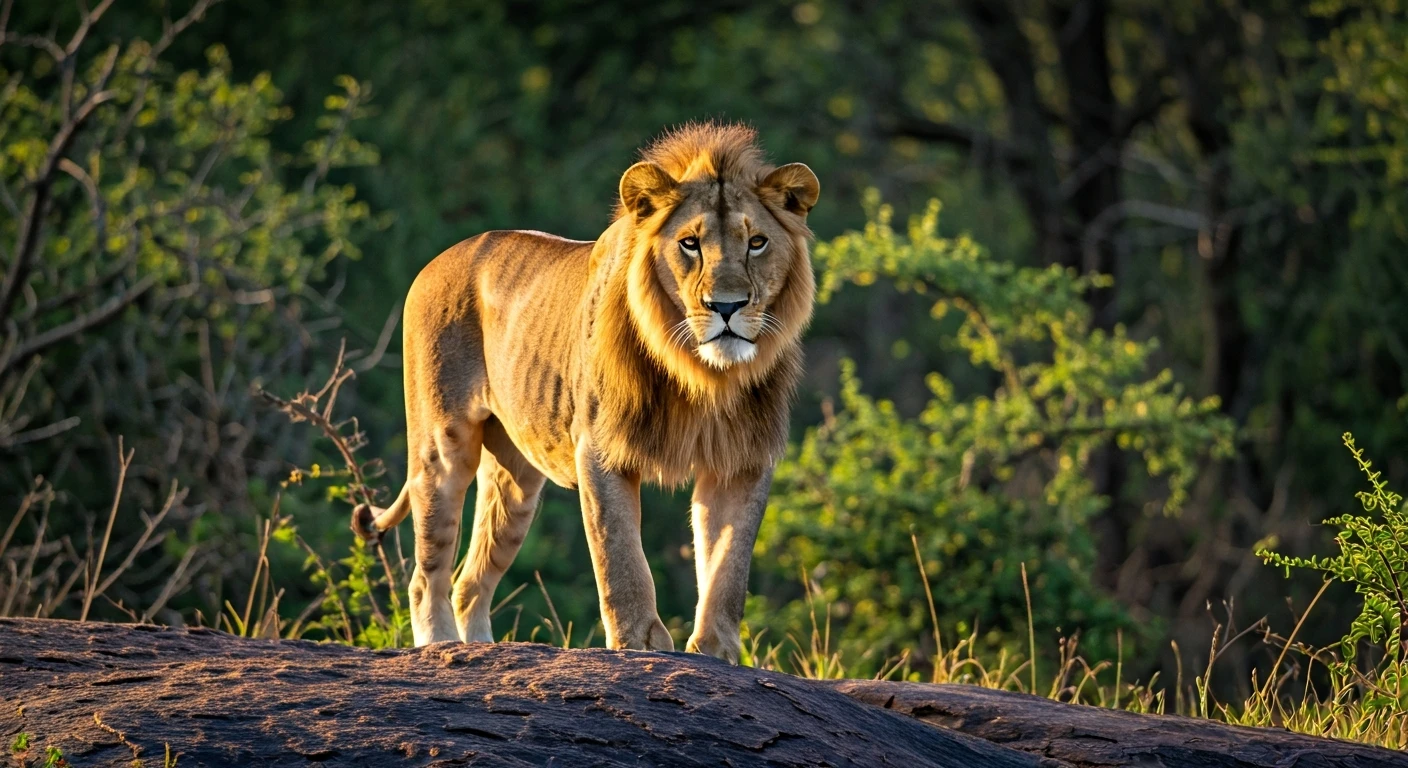
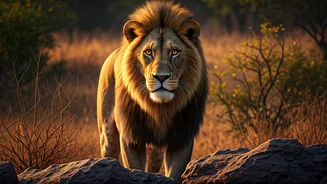
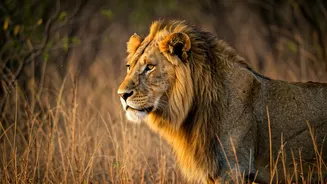
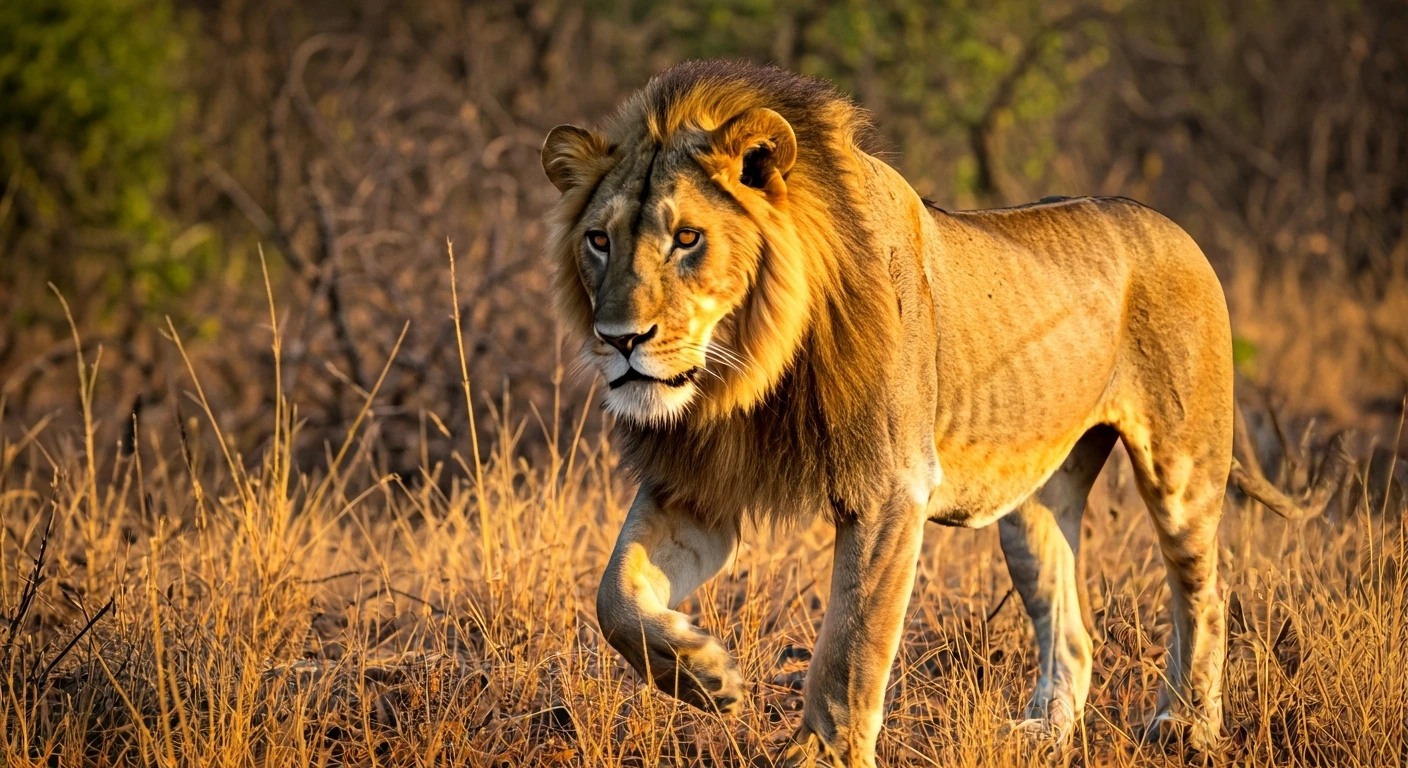
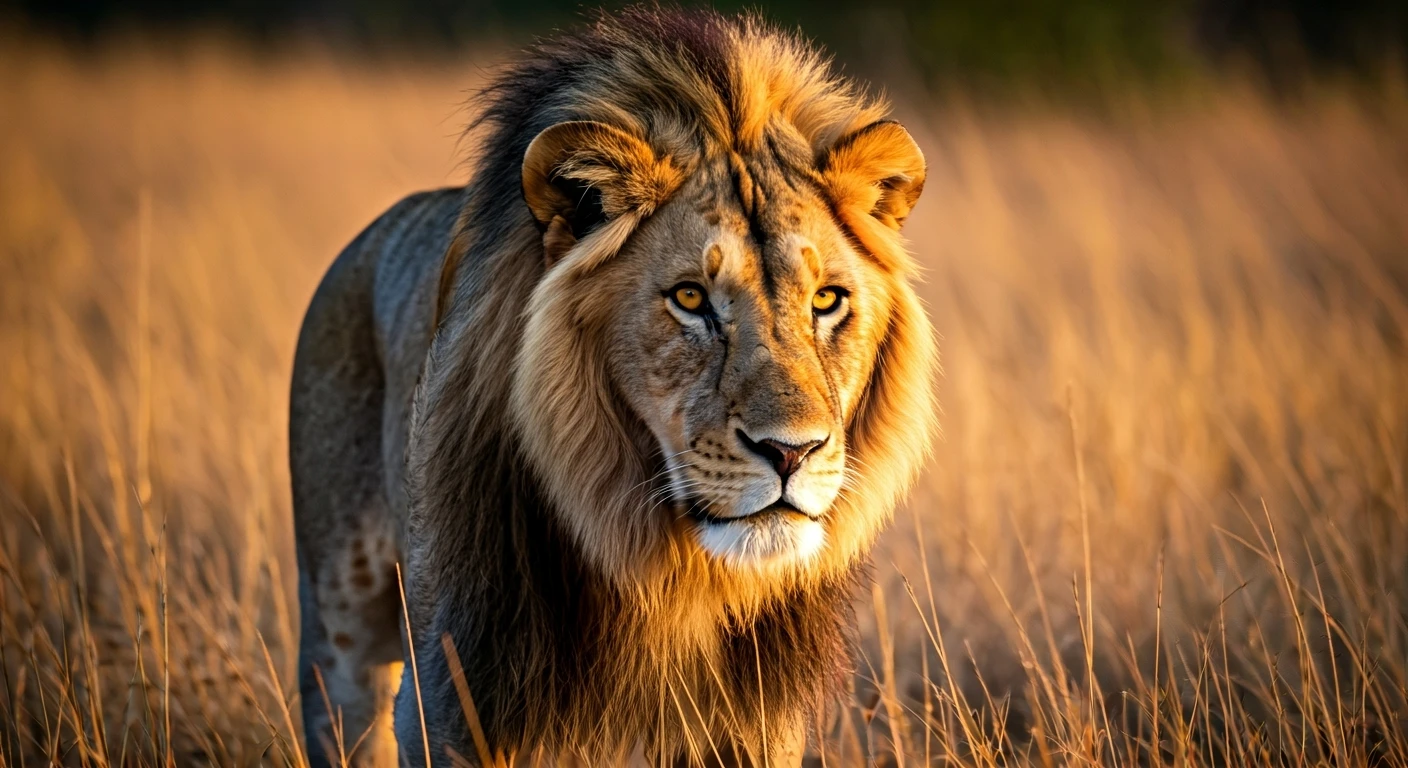
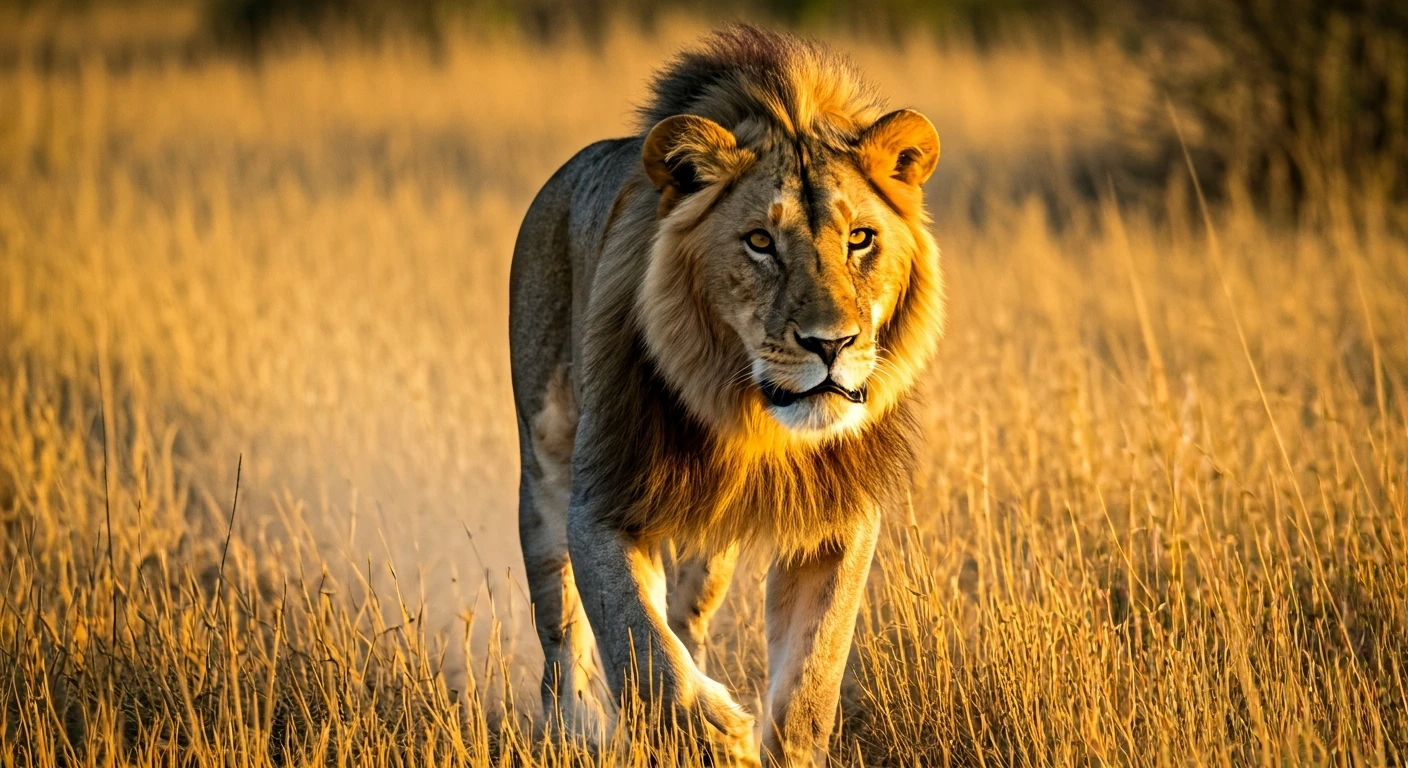
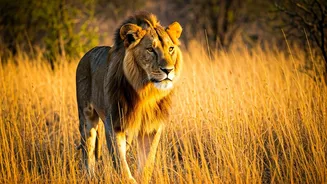
A trip to Gir is more than just a safari; it's a pilgrimage to witness one of the greatest conservation success stories in modern history. This sprawling, 545-square-mile sanctuary is the last wild refuge of the Asiatic lion. A century ago, fewer than 20 of these magnificent cats remained, hunted to the brink of extinction. Today, thanks to dedicated conservation efforts by the Indian government and local communities, the population has rebounded to over 670 individuals. These lions are genetically distinct from their African cousins, slightly smaller with a characteristic fold of skin along their belly. Seeing a pride lounging in the shade of a teak tree or a lone male patrolling his territory is to witness a species literally brought back from the dead. It’s a powerful, humbling experience that connects you directly to the fragile balance between humanity and the wild.
What to Expect on a Summer Safari
Venturing into Gir during the final weeks of summer is an intense but rewarding experience. The heat is undeniable, with temperatures soaring. But this heat concentrates the action. Animals are drawn to the remaining water sources, increasing your chances of memorable sightings. In an open-air 4x4, known locally as a “Gypsy,” you’ll traverse dusty trails through a landscape of dry-deciduous forest. While the lion is the star, Gir is far from a one-animal show. The park is home to a thriving population of leopards, often seen resting on rocky outcrops. You can also spot sambar (India's largest deer), graceful chital (spotted deer), nilgai (blue bull antelope), and wild boar. For birders, it’s a paradise, with over 300 species, including the crested serpent eagle and the endangered white-backed vulture. The safari is a sensory journey—the scent of dry leaves, the alarm call of a deer, and the thrill of scanning the brush for a flick of a tail.
Planning Your Trip: Last-Minute or Next Season
If you’re hoping to squeeze in a visit before the mid-June closure, time is of the essence. Safari permits for Gir are notoriously difficult to secure and must be booked online, often weeks or months in advance, through the official Gujarat Forest Department website. Spontaneous visits are nearly impossible. A limited number of permits are released each day for specific time slots and zones within the park. For American travelers, this makes last-minute plans challenging. However, this urgency can serve as the perfect motivation to plan for the next season. The park reopens on October 16th, revealing a lush, transformed landscape. The post-monsoon period, from November to February, offers cooler weather and stunning scenery, making it the most popular time to visit. Planning a trip for then, with bookings made well in advance, is the best way to ensure you get to experience this incredible wildlife destination without the stress.