






Beyond the Yoga Mat
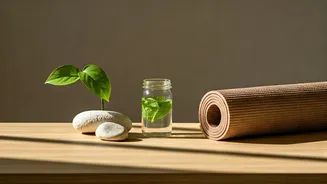
For years, the wellness industry sold us a vision of health that was deeply personal and often, profoundly lonely. Think of the solitary figure on a yoga mat at sunrise, the silent meditation app, the restrictive diet plan tracked meticulously on a phone.
While these practices have their place, they promoted a model of self-care as an individual pursuit. The trend taking hold this summer pushes back against that narrative. It’s being called “social wellness,” and it’s built on a simple but powerful premise: true well-being is often found in the company of others. It’s the idea that our relationships, communities, and shared experiences are not just incidental to our health, but central to it. This isn't about ditching your personal routines, but about adding a new, vital dimension to your definition of a healthy life.
A Cure for Modern Loneliness
Why is this happening now? In short, we’re starved for connection. The last few years have rewired our social lives, accelerating a trend toward isolation that was already underway. We have more digital “friends” than ever, but studies—and our own experiences—show that many of us feel lonelier than ever before. Even the U.S. Surgeon General has declared loneliness a public health epidemic. Social wellness is a direct response to this crisis. It’s a collective realization that endless scrolling and transactional interactions are no substitute for genuine human presence. As the world has opened back up, there’s a deep-seated desire to move beyond superficial catch-ups and invest in what’s been called “community care”—the act of nurturing our well-being by showing up for each other. June, with its long days and natural call to gather outdoors, is the perfect season for this shift to finally blossom.
The Science of Togetherness
This isn’t just a feel-good idea; it’s backed by science. A robust body of research shows that strong social ties are one of the most reliable predictors of a long, healthy, and happy life. Meaningful social connection is linked to a stronger immune system, lower rates of anxiety and depression, and increased resilience in the face of stress. When we engage in positive social interactions, our brains release hormones like oxytocin, which helps lower cortisol (the primary stress hormone) and fosters feelings of trust and bonding. In other words, spending quality time with people you care about is one of the most effective, evidence-based wellness practices available—and it doesn’t require a subscription or any special equipment.
How to Embrace Social Wellness
Putting this trend into practice doesn’t need to be complicated. It’s less about adding another overwhelming task to your to-do list and more about being intentional with the time you already have. Start small. Instead of texting a friend, make a phone call while you’re on a walk. Organize a low-key potluck in a local park. Join a book club, a recreational sports league, or a volunteer group centered around a hobby you enjoy. The goal is to find or create spaces for regular, authentic interaction. You could even establish a recurring “third place”—a coffee shop, library, or community garden—where you can build weak ties with neighbors and acquaintances, which are also crucial for a sense of belonging. The key is shifting the focus from individual optimization to mutual support and shared joy.