




The Logic Behind the Green-Thumb Grants
While the headline might conjure images of a government official handing you a blank check for a shopping spree at the local nursery, the reality is a bit more structured—but no less exciting. Across the country, states and even the federal government are
increasingly investing in local food systems. Why? The goals are multi-faceted: increasing food security, promoting healthier eating habits, creating green spaces in urban areas, and fostering community connection. These initiatives, often filed under names like "Urban Agriculture Programs" or "Community Garden Grants," recognize that small-scale farming, even on a terrace or in a small yard, contributes to a more resilient local food supply. They operate on the principle that providing initial resources can empower individuals and groups to produce their own food, reducing reliance on long-distance shipping and providing fresh options in areas that might be 'food deserts.' So, while you won’t get a check for a fancy Italian terracotta pot, you might get significant help for the things that actually make your garden grow.
What Kinds of Costs Are Actually Covered?
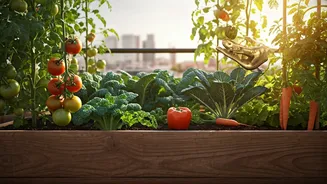
So, what can you realistically expect to get funded? These programs are designed to cover the foundational elements of a productive garden. Think practical, not purely decorative. Common reimbursable expenses or provided materials include: - **Soil, Compost, and Mulch:** The literal groundwork for any successful garden. This is one of the most frequently covered costs. - **Seeds and Seedlings:** Funding often applies to edible plants—vegetables, fruits, and herbs. - **Raised Beds and Containers:** Materials to build or purchase raised beds, which are essential for gardening in urban spaces or areas with poor soil quality. - **Irrigation Systems:** Basic drip irrigation or soaker hoses to promote water conservation and ensure your plants thrive. - **Tools and Equipment:** In some cases, grants can be used for shared tools for a community garden, like wheelbarrows, shovels, and hoes. - **Educational Workshops:** Some programs fund training on topics like composting, pest management, and season extension. Funding is typically distributed through grants, which you apply for, or as reimbursements for approved purchases. It pays to read the fine print, as each program has its own specific rules.
Who Are These Programs For?
Eligibility is the key question. While some grants are geared toward individuals, many are designed to have a broader community impact. Don't let that discourage you; there are still several ways in. Many programs target: - **Community Gardens:** Groups of neighbors who come together to manage a shared plot of land. If your building or block doesn't have one, these grants could be your catalyst to start one. - **Schools and Educational Institutions:** These grants help create learning gardens where students can get hands-on experience with food production. - **Non-Profit Organizations:** Groups focused on hunger relief, community development, or environmentalism often use these funds to run gardening projects. - **Individuals in Partnership:** Even if a program targets groups, you and a few neighbors could formally team up to meet the application criteria. It's often easier to secure funding for a project that benefits multiple households versus just one. Before you dismiss yourself as ineligible, thoroughly check the program guidelines. You may be surprised by the flexibility offered.
Your Action Plan: How to Find the Money
Finding these opportunities requires a little digital detective work, but the payoff can be substantial. Here’s a step-by-step guide to locating funding in your area: 1. **Start with Your State's Department of Agriculture.** This is your primary resource. Go to their website and search for terms like "urban agriculture," "community garden grant," "local food initiative," or "specialty crop block grant." Many states have dedicated pages listing available funds. 2. **Contact Your Local Cooperative Extension Office.** Affiliated with land-grant universities, these offices are treasure troves of localized agricultural knowledge. Their staff can often point you directly to relevant state, county, or even private grants for gardeners. 3. **Look at Federal Programs.** The USDA’s Office of Urban Agriculture and Innovative Production (UAIP) offers competitive grants. While these are often larger-scale, they can fund significant community projects that individuals can benefit from or participate in. 4. **Check with Your City or County.** Municipal governments sometimes offer their own micro-grants for beautification or greening projects. Check the websites for your city’s parks and recreation or environmental services departments.