



The Rise of the 'Cool-Cation'
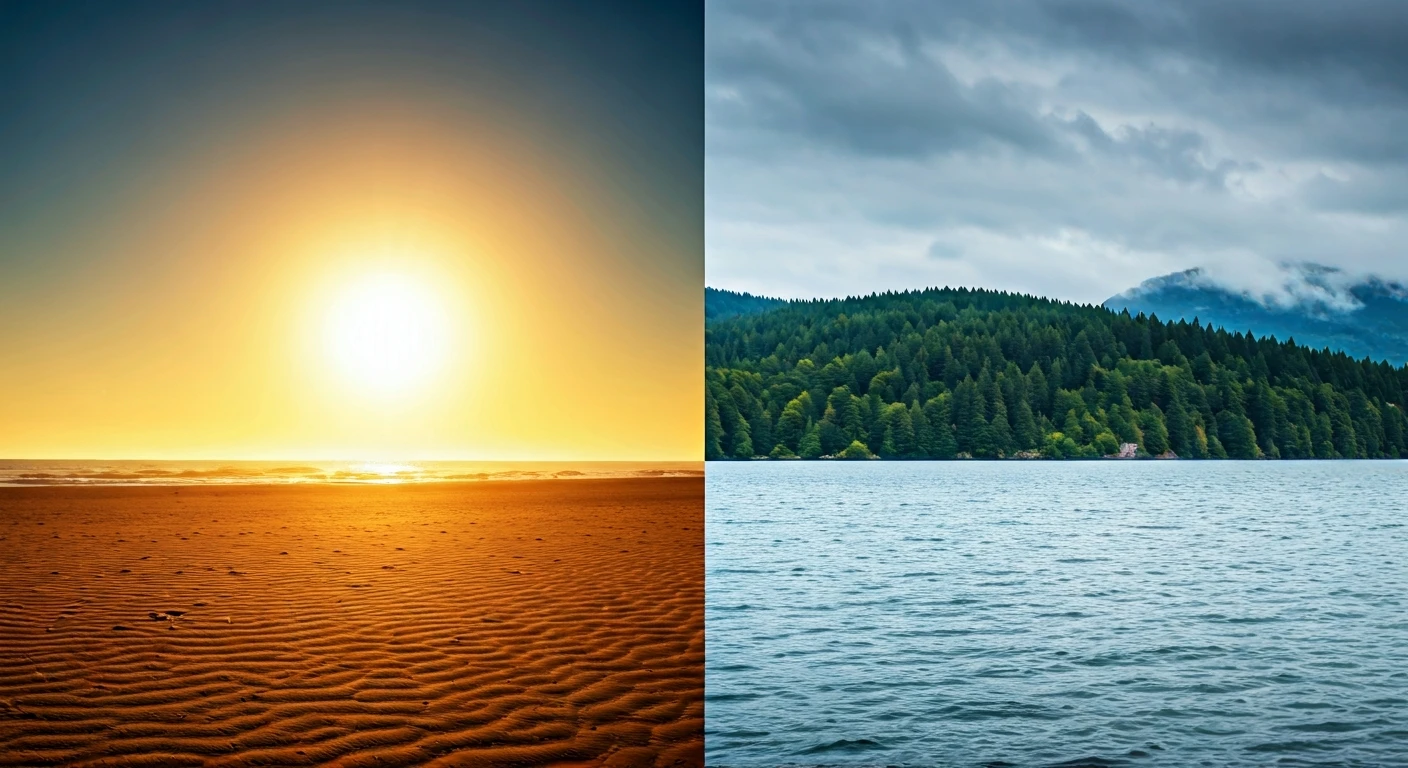
Once, the goal was to escape the cold. Now, for a growing number of tourists, it’s to escape the heat. Travel agents and tourism boards are seeing a significant uptick in interest for destinations known more for their moody skies and verdant landscapes
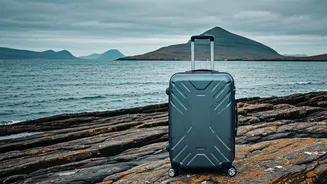
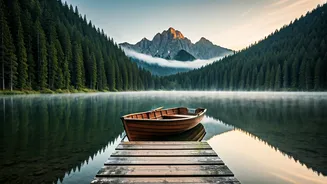
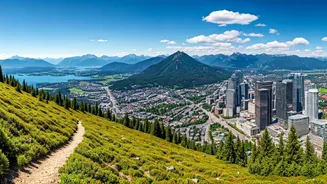
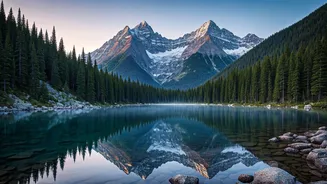
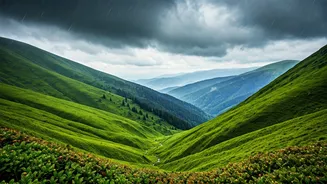
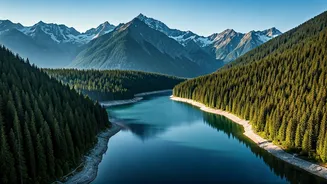
than for their guaranteed sunshine. Places like Ireland, Scotland, the Pacific Northwest, and Scandinavia are no longer just off-season curiosities; they are becoming prime-time summer destinations. This phenomenon, dubbed the “cool-cation,” is a direct response to a world that feels increasingly hot and crowded. Instead of baking on a Mediterranean beach during a record-breaking heatwave, travelers are opting for invigorating hikes in the Scottish Highlands or cozy afternoons in a Dublin pub. The promise is no longer a perfect tan, but a perfect atmosphere.
Driven by Heat and Hordes
Two major factors are fueling this migration away from the sun. The first is climate. As summer temperatures in traditional hotspots like Italy, Greece, and Spain regularly soar past 100°F, the idea of sightseeing becomes less appealing and more of an endurance sport. Wildfires and extreme weather warnings have become a new, unwelcome feature of the Southern European summer, prompting travelers to look north. The second driver is over-tourism. Decades of budget flights and social media fame have turned places like Barcelona, Rome, and Venice into congested theme parks, where visitors spend more time in queues than they do soaking up the culture. In contrast, the sprawling landscapes of Ireland or the rugged coastline of Oregon offer a sense of space and tranquility that has become the new ultimate luxury. It's a deliberate choice to trade crowds for calm.
A New Social Media Aesthetic
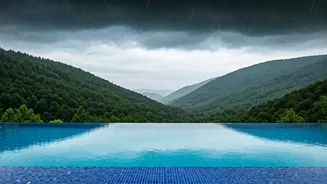
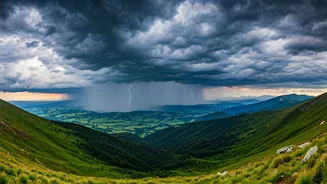
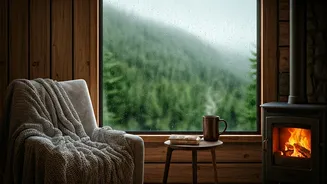
This shift is also reflected, and amplified, by our digital lives. The sun-drenched, brightly-filtered Instagram photo of someone on a perfect beach is starting to look a little cliché. In its place is a new visual language: a rain-streaked window overlooking a green valley, a steaming cup of coffee in a wood-paneled lodge, a figure in a raincoat dwarfed by a dramatic, cloud-filled sky. This aesthetic values mood, authenticity, and a sense of place over performed perfection. It taps into popular online movements like “cottagecore” and the desire for a cozy, comforting experience, known by the Danish term “hygge.” Sharing a photo from a windswept cliff in County Clare or a misty forest in Washington state signals a different kind of travel savvy—one that prizes unique experiences over predictable ones.
From Relaxation to Rejuvenation
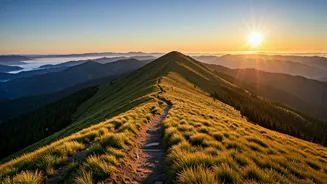
Ultimately, the appeal of green and grey destinations speaks to a deeper change in what we want from a holiday. The passive beach vacation was about escaping work through total relaxation. The new “cool-cation” is about escaping the noise and heat of modern life through active rejuvenation. It’s less about lying still and more about engaging your senses: the smell of damp earth on a forest trail, the taste of a local craft beer in a mountain town, the feeling of cool wind on your face. This type of travel is often more activity-based, centered around hiking, exploring small towns, and immersing oneself in local culture. It's a search for something that feels more real and restorative than simply changing the location where you lie down.