

Dahi: The Foundational Ferment
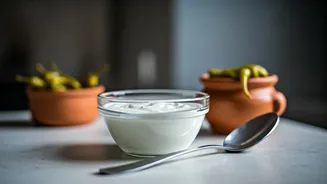
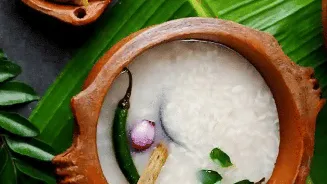
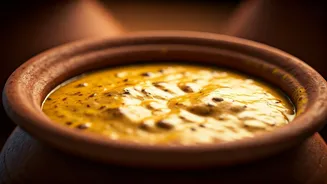
If there's one probiotic powerhouse in Indian cuisine, it's dahi. This homemade yogurt is a world away from the often sugar-laden varieties in American supermarkets. Traditionally made by adding a small amount of leftover yogurt (the 'starter') to warm
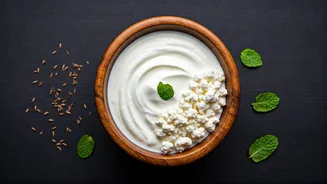
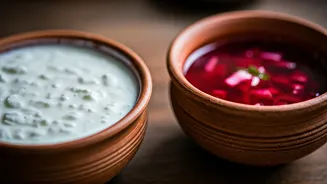
milk and letting it sit overnight, dahi is a staple in millions of households. The magic is in that starter, which contains live bacterial cultures like Lactobacillus. These beneficial microbes get to work, fermenting the lactose in the milk and creating a tangy, creamy, and easily digestible food. Dahi is eaten plain, whipped into a refreshing drink called lassi, or used as the base for raita, a cooling condiment served with spicy dishes. It’s the original, everyday gut-health support system, consumed daily for its cooling properties and digestive benefits.
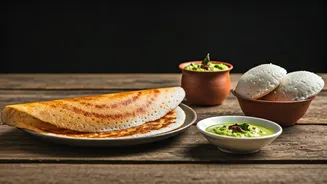
Idli & Dosa: The Fermented Breakfast Duo
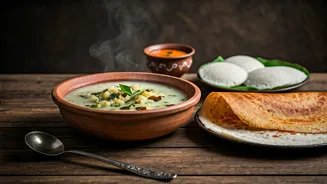
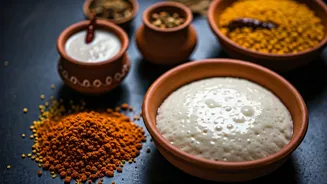
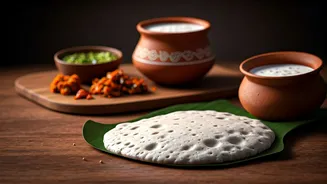
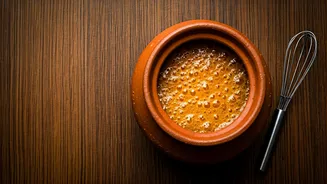
Ever wonder what makes the fluffy, steamed cakes (idli) and crispy, savory crepes (dosa) of South India so light and digestible? The secret is a naturally fermented batter. A simple mixture of soaked rice and urad dal (split black lentils) is ground into a paste and left to ferment for 8 to 12 hours. During this time, wild yeasts and bacteria from the air, along with microorganisms present on the lentils themselves, get to work. They break down the carbohydrates, producing carbon dioxide gas—which creates the airy texture of idli—and lactic acid. This fermentation process not only pre-digests the batter, making nutrients more bioavailable, but it also populates it with beneficial bacteria, turning a simple breakfast into a probiotic-rich meal.
Achaar: Traditional Indian Pickles
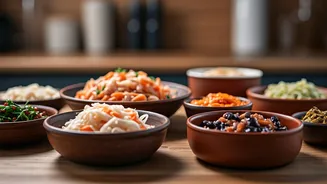
Not all pickles are created equal. Many commercial pickles are simply vegetables soaked in a vinegar brine, which doesn't involve a fermentation process. Traditional Indian pickles, or achaar, are a different story. Many regional recipes rely on lacto-fermentation. Vegetables like mango, lime, or carrots are mixed with salt and spices and then left to cure in sunlight or at room temperature. The salt draws water out of the vegetables, creating a brine where harmful bacteria can't survive, but salt-tolerant Lactobacillus can thrive. These microbes slowly convert the sugars in the vegetables into lactic acid, which preserves the pickle and gives it a complex, tangy flavor. The result is a condiment teeming with live cultures—a small spoonful alongside a meal is a flavor bomb and a gut-health booster.
Kanji: The Fermented Root Vegetable Drink
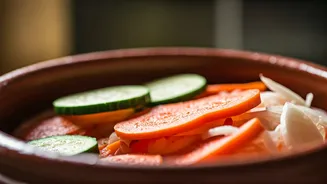
Lesser known in the U.S. but a beloved staple in North India, especially during the spring festival of Holi, is kanji. This vibrant, purplish-black drink is a masterclass in simple fermentation. It's traditionally made with black carrots, though red carrots or beetroot can be used, which are submerged in water with salt and ground mustard seeds. The container is then left in the sun for a few days. The natural yeasts and bacteria on the carrots and in the environment kick off a fermentation process, turning the water into a tangy, savory, and slightly effervescent beverage. It’s a classic example of a 'wild ferment,' relying on nature to provide the cultures needed to transform simple ingredients into a probiotic tonic that’s both delicious and celebrated for its digestive properties.