




The Trend: Bond-Building Technology
If you’ve walked down a beauty aisle lately, you’ve probably seen the term: bond repair, bond strengthening, or bond building. This isn’t just clever marketing for a new type of conditioner. It represents a fundamental shift in how we treat hair damage.
For decades, the primary approach was to manage the symptoms of damage. Conditioners and masks would use silicones, oils, and proteins to coat the hair shaft, making it feel smoother and look shinier. This is like applying spackle and a coat of paint to a crumbling wall—it looks better, but the structural issue remains. Bond-building technology, popularized by brands like Olaplex and now available from numerous others at various price points, works from the inside out. It’s designed to penetrate the hair’s cortex and repair the broken chemical bonds that give hair its strength and elasticity. Instead of a temporary cosmetic fix, it’s a form of structural reinforcement.
The Simple Science: How It Actually Works
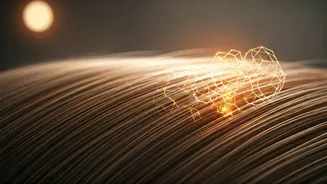
To understand how these products work, you need a quick primer on hair structure. Your hair is primarily made of keratin proteins, which are held together by different types of chemical bonds. The strongest of these are disulfide bonds. Think of them as the load-bearing support beams of a building. When you bleach your hair, use high-heat styling tools, or even just expose it to environmental stressors, these disulfide bonds break. The result is what we call damage: hair becomes brittle, porous, and prone to breakage and frizz. Traditional conditioners can't fix these broken bonds. This is where bond-builders come in. Their active ingredients are specifically engineered to find these broken disulfide bonds and re-link them. It’s not just patching a hole; it’s rebuilding the internal structure. Imagine a ladder with broken rungs. A conditioner might coat the whole ladder to make it look uniform, but a bond-builder would methodically go in and weld each broken rung back together, restoring the ladder’s integrity and strength.
Is This Trend Right for Your Hair?
While nearly everyone can benefit from stronger hair, bond-building treatments are most impactful for those with visible damage. If your hair has been through the wringer, this trend is aimed squarely at you. You’re an ideal candidate if: - You regularly color, bleach, or highlight your hair. Chemical processing is the number one cause of broken disulfide bonds. - You frequently use heat stylers like flat irons, curling wands, or blow dryers at high temperatures. - Your hair is naturally fine, fragile, or has become brittle and “snappy” over time. - You’ve noticed a change in your curl pattern, often a sign of damage compromising your hair’s structure. However, if your main issue is dryness rather than damage, a bond-builder might not be the magic bullet. While some formulas also contain moisturizing ingredients, their primary function isn't hydration. Hair that feels like straw but is otherwise strong might benefit more from a deep conditioning treatment rich in humectants and emollients.
How to Use Bond-Builders Effectively
The market is now flooded with bond-building options, from intensive pre-shampoo treatments and masks to daily shampoos, conditioners, and leave-in stylers. For severe damage, a concentrated mask or treatment used once a week is often the best starting point. These products usually require you to leave them in for a specific amount of time (typically 10-30 minutes) to allow the active ingredients to penetrate and work their magic. For maintenance or less severe damage, incorporating a bond-building shampoo and conditioner into your regular routine can help prevent future breakage and maintain hair health. Consistency is key. While you’ll often see and feel a difference after the first use—hair often feels stronger and smoother—the real, lasting benefits come from regular application. It’s about progressively rebuilding the hair’s integrity over time. Don’t expect a single mask to undo years of damage overnight.
Understanding the Limitations
Bond-building technology is impressive, but it’s not a miracle. It’s important to have realistic expectations. First and foremost, these products cannot repair split ends. A split end is a physical fracture of the hair shaft that is beyond chemical repair. The only way to get rid of them is to cut them off. What bond-builders *can* do is strengthen the rest of the hair shaft to prevent new split ends from forming. Furthermore, these treatments repair the hair you have; they don't create new hair or make it grow faster from the scalp. They can, however, help you retain length by drastically reducing the breakage that keeps your hair stuck at a certain length. By making your hair more resilient, you’re allowing it to grow longer and stronger without snapping off.