

The End of the White Box
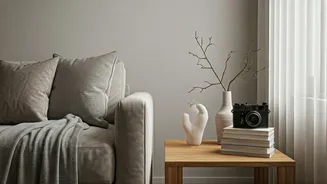
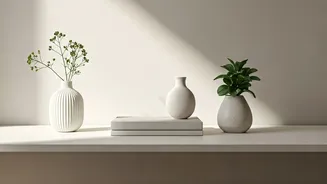
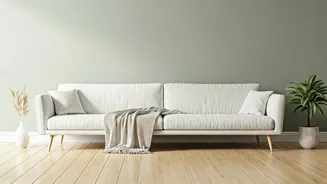
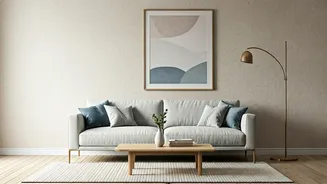
For the better part of the 2010s, the ideal home showcased on Instagram, Pinterest, and in design magazines was a study in restraint. Crisp white walls, white furniture, and a near-total absence of clutter dominated the aesthetic. Inspired by a blend
of Scandinavian minimalism and the decluttering gospel of Marie Kondo, this look promised a life of serene, organized perfection. It was a blank canvas, a photo-ready backdrop that suggested a clear mind and an orderly existence. The white box was less a home and more a statement—a visual rejection of chaos. But for many, the reality felt less serene and more sterile, like living in a laboratory where a single splash of red wine could trigger a full-blown crisis.
The Rise of the Cozy Cocoon
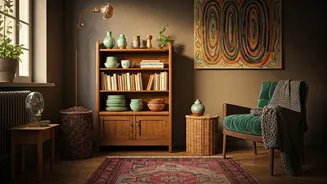
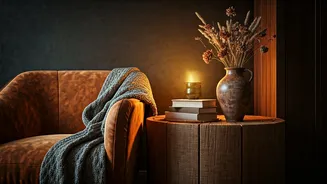
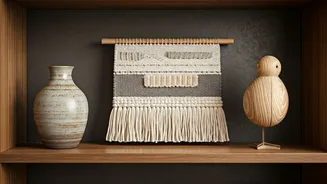
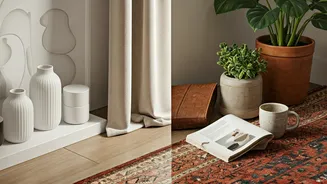
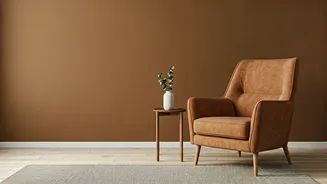
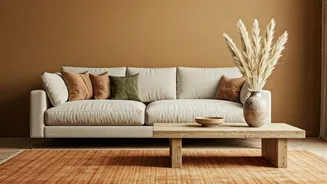
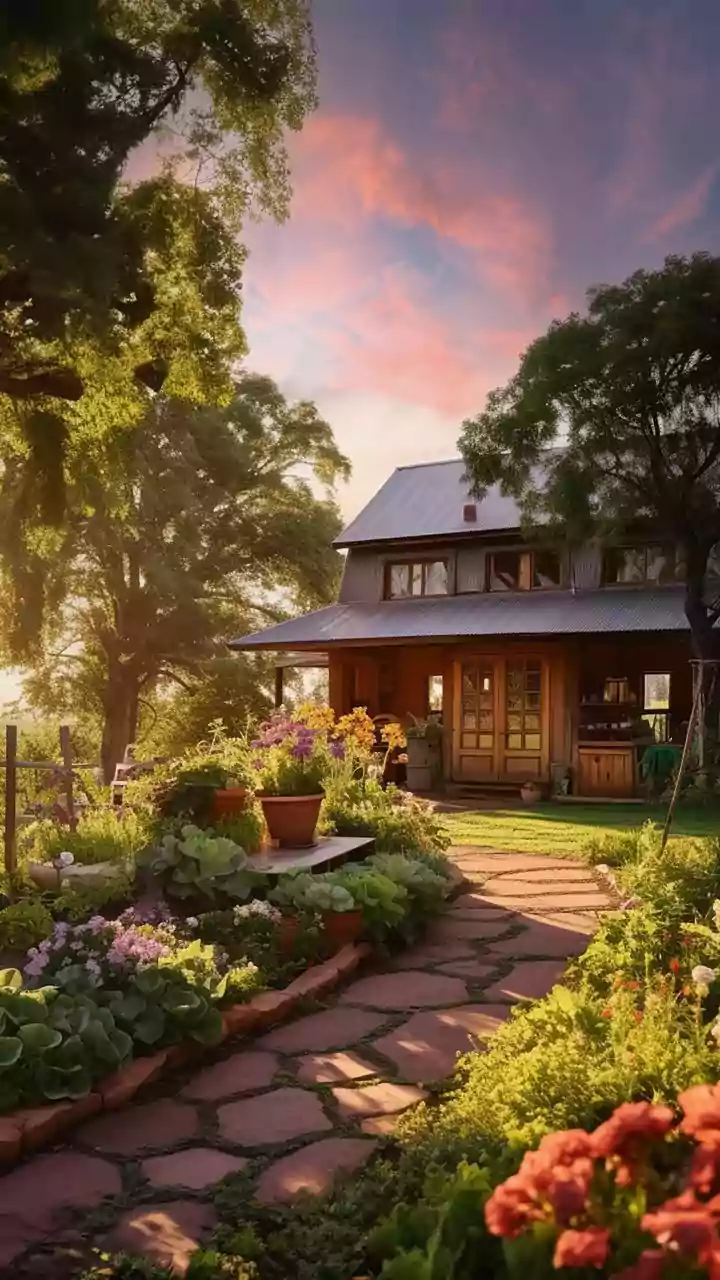
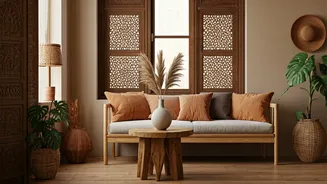
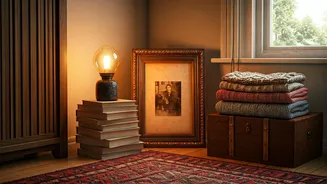
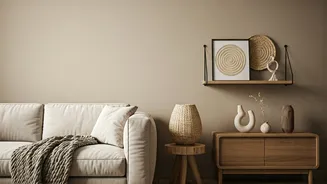
Walk into a stylish home today, and you’ll likely feel a completely different energy. The stark white has been replaced by a rich palette of earthy, grounding colors. Think warm terracotta, muted olive green, deep navy, and soft, buttery beiges. The focus has shifted from visual emptiness to sensory richness. Textures are everywhere: nubby bouclé chairs, plush velvet sofas, raw wood coffee tables, and hand-woven rattan accents. The new ideal isn’t a flawless, empty space, but a warm, inviting cocoon. It’s a space filled with personal history—well-loved books, vintage art found at a flea market, and ceramics that feel good to hold. This is a home designed to be lived in, not just looked at.
So, Why the Big Shift?
This aesthetic evolution isn't just about paint colors; it’s a reflection of a deeper cultural shift. The COVID-19 pandemic was a major catalyst. Forced to spend unprecedented amounts of time at home, we stopped seeing our living spaces as mere backdrops for our lives and started demanding they become active participants in our well-being. The home transformed from a place to crash between work and social events into the office, gym, restaurant, and sanctuary, all in one. The cold, impersonal feel of minimalism suddenly felt inadequate. We craved comfort, security, and a sense of personality. This new focus on “dopamine decor”—surrounding yourself with colors, textures, and objects that genuinely make you happy—is a direct reaction to years of prioritizing ascetic style over actual, lived-in comfort.
Embracing the Earthy Vibe
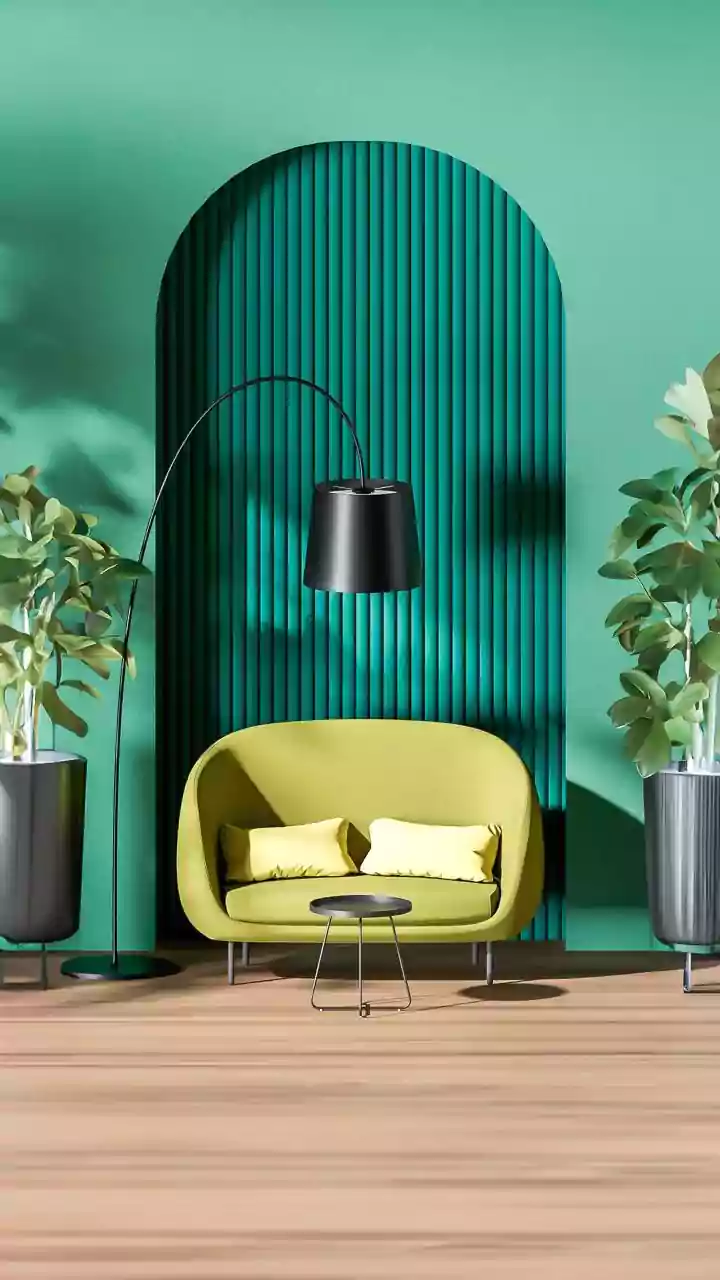
The good news is that you don’t need to undertake a massive renovation to welcome this cozy energy into your home. The shift is more about mindset than a specific shopping list. Start small. A can of paint is the easiest and most impactful change; consider an accent wall in a warm, earthy hue like ochre or sage. Swap out sterile, cool-toned lighting for warmer bulbs that mimic natural candlelight. Layer textures by adding throw blankets, pillows, and area rugs made from natural fibers like wool, jute, or cotton. Most importantly, give yourself permission to display things that have meaning to you. The era of hiding your personality in a storage bin is over. Let your home tell your story, not the story of a minimalist ideal you saw online.