
Why Your Body Resists a Heavy Meal in Heat
There's a real biological reason you might crave a crisp salad over a hearty stew when the temperature soars. It’s called the thermic effect of food (TEF). Simply put, your body uses energy to digest and metabolize what you eat, and this process generates
heat. Heavy foods—particularly those high in fat, protein, and complex carbohydrates—require more energy to break down, thus producing more internal heat. Think of your digestive system as an engine; a rich meal is like asking it to run at full throttle. In winter, that extra warmth is welcome. But in summer, when your body is already working overtime to stay cool through processes like sweating, adding more internal heat from a heavy meal can leave you feeling sluggish, lethargic, and uncomfortably full. Your body is trying to shed heat, not create more of it.
The Anatomy of a Perfect Summer Plate
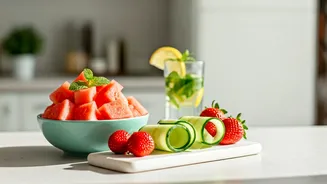
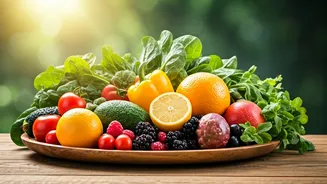
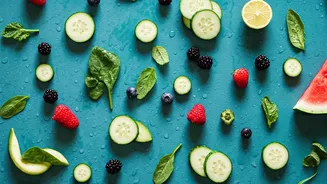
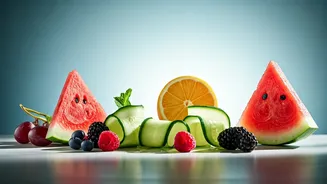
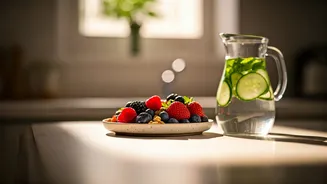
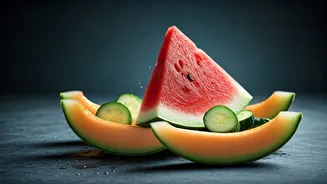
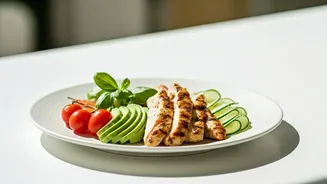
So, what does the ideal summer meal look like? It’s less about specific recipes and more about embracing a few key principles. First, prioritize hydration. Many of summer’s best fruits and vegetables have high water content—think watermelon, cucumbers, strawberries, and bell peppers. They help replenish fluids lost through sweat. Second, lean into lean protein. Grilled fish, chicken, tofu, and beans provide sustained energy without the heaviness of fatty red meats. Third, simplify your cooking. Grilling, steaming, and even 'no-cook' assemblies are your best friends. They keep your kitchen cooler and preserve the fresh, crisp textures that are so appealing in the heat. Finally, don't forget flavor. A shower of fresh herbs like mint, cilantro, and basil or a squeeze of citrus can make a simple dish feel bright and sophisticated.
From Paratha to a Lighter Bite
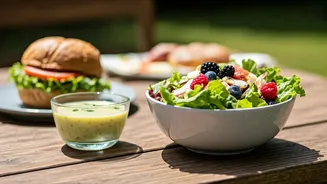
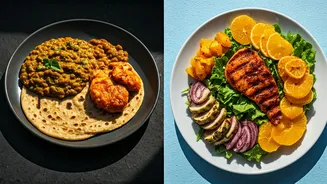
Let's go back to the paratha. This delicious, buttery flatbread, often stuffed and served with rich curries, is culinary perfection on a cool day. But in the summer, we can take inspiration from the same South Asian flavor palette and pivot to something lighter. Instead of a heavy bread, consider a cooling bowl of raita, a yogurt-based dip loaded with grated cucumber, tomato, and a sprinkle of cumin. Or try a light, savory crepe like a moong dal chilla, made from lentils and packed with protein. The same logic applies across cuisines. Love a creamy, heavy pasta Alfredo? Swap it for a vibrant pasta salad tossed with cherry tomatoes, mozzarella pearls, fresh basil, and a simple vinaigrette. Craving a steak? Try steak skewers or a flank steak salad instead of a massive cut with potatoes.
Embrace the Art of the 'No-Cook' Meal
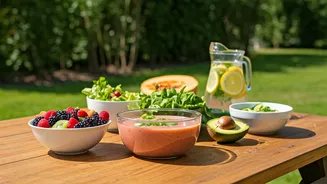
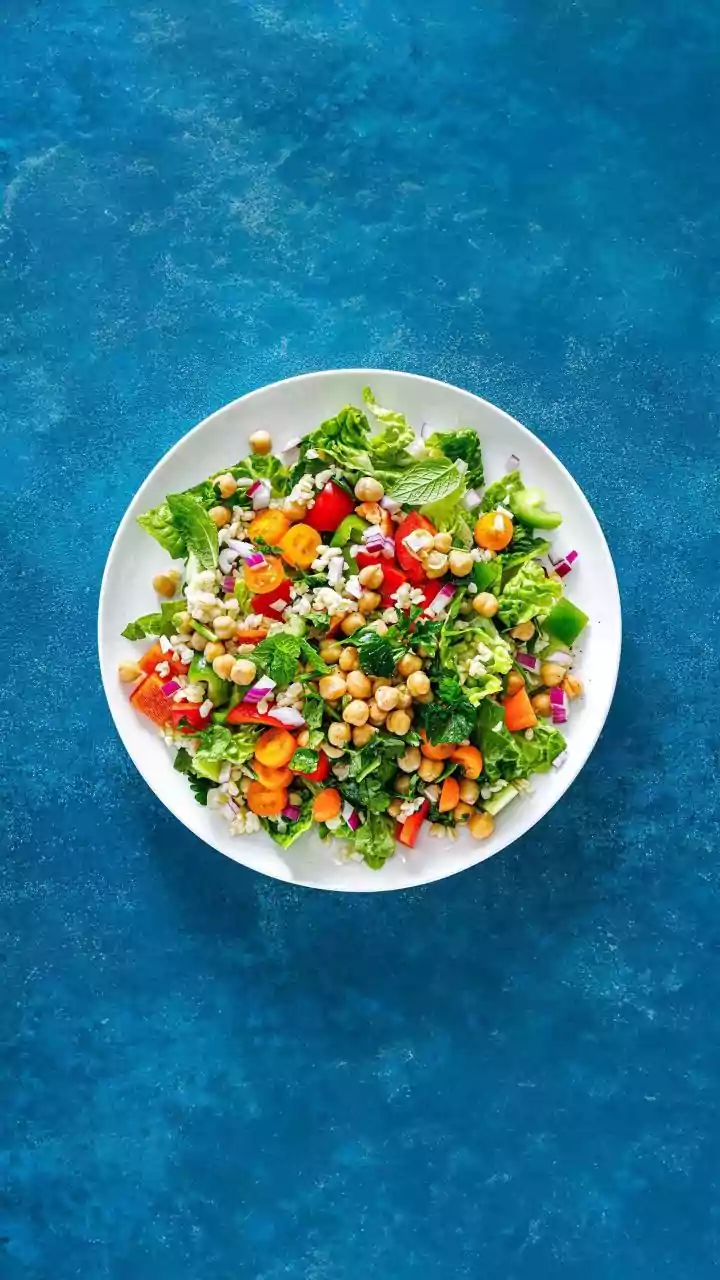
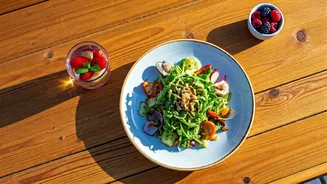
The ultimate power move in summer cooking is to not cook at all. This isn't about laziness; it's about strategy. A well-stocked pantry and fridge can turn you into a no-cook hero. Think of meals that are assembled, not cooked. A classic Spanish gazpacho is a liquid salad that requires nothing more than a blender. Vietnamese-style summer rolls, with their translucent rice paper wrappers filled with shrimp, herbs, and rice noodles, are a refreshing and satisfying project. A high-quality can of tuna can be transformed into a classic salade niçoise with hard-boiled eggs, green beans, and olives. And never underestimate the power of a giant 'kitchen sink' salad, where you can toss in leftover grilled chicken, chickpeas, nuts, seeds, and any vegetables you have on hand. It's the perfect way to eat well while keeping your cool.