

First, a Nod to the Perfect Paratha
For the uninitiated, a paratha is a South Asian unleavened flatbread, a close cousin to naan but often layered and pan-fried, typically with ghee or oil, until golden and flaky. It’s the ultimate comfort food, served for breakfast, lunch, or dinner, either
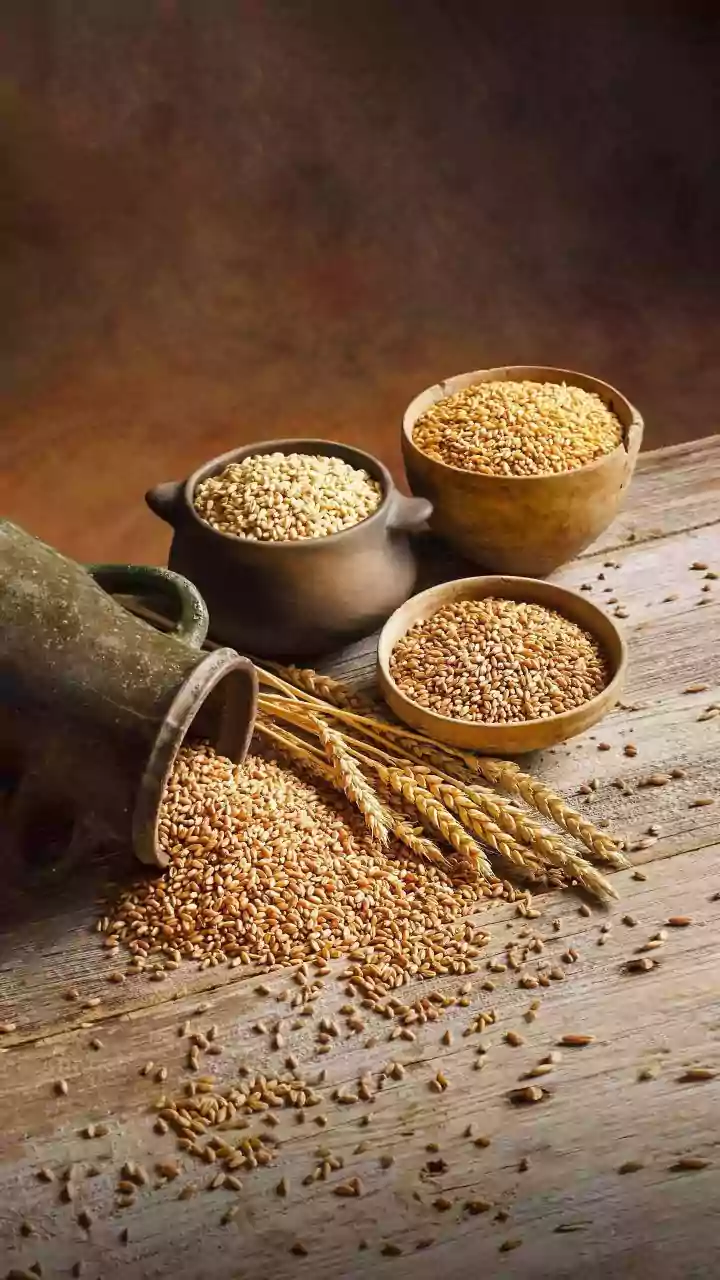
plain or stuffed with spiced potatoes, cauliflower, or paneer. The magic of a paratha lies in its texture—a satisfying chew, a buttery richness, and a blistered, slightly crisp exterior. It’s the perfect vessel for scooping up curries, dipping into yogurt, or enjoying on its own with a side of pickle. It’s a food of heritage and home, a simple combination of whole wheat flour, water, salt, and fat that transcends its humble ingredients.
Meet Moringa: The ‘Miracle Tree’
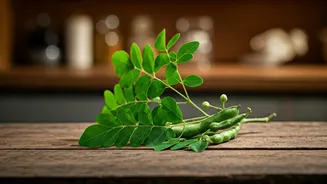
Now, let’s talk about the vibrant green guest of honor. Moringa oleifera is a tree native to parts of India and Africa, often called the “drumstick tree” or “miracle tree.” For centuries, its leaves, pods, and seeds have been used in traditional medicine and cooking. In the U.S., you’re most likely to find it as a fine, emerald-green powder made from dried leaves. So, why the buzz? Moringa is nutritionally dense, packed with vitamins A and C, calcium, potassium, and iron. It’s also rich in antioxidants. While no single ingredient is a magic bullet for health, incorporating nutrient-rich foods like moringa is an easy way to add a little something extra to your diet. Flavor-wise, it has a distinct earthy, spinachy, and slightly bitter taste, similar to matcha but more vegetal.
Why This Combination Just Works
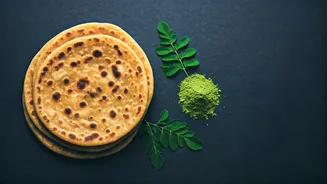
This isn't just about throwing a healthy powder at a carb and hoping for the best. The pairing of moringa and paratha is a stroke of culinary genius. The moringa powder integrates seamlessly into the whole wheat dough, infusing it with a beautiful, pale green hue. But the real magic happens on the palate. The rich, fatty notes of the ghee or oil used to cook the paratha are perfectly counterbalanced by the moringa’s “green” bitterness. That slightly sharp, vegetal flavor cuts through the richness, making each bite feel lighter and more complex. It transforms the paratha from a purely comforting food into something more interesting and dynamic, adding a layer of flavor you didn’t know was missing.
Healthier Feel, Sharper Taste
This brings us to the core of the experience. The paratha *feels* healthier for two reasons. First, there’s the psychological boost of knowing you’ve infused a beloved comfort food with vitamins and antioxidants. You’re not just eating a simple flatbread; you’re eating one with a functional, nutritional purpose. Second, the taste itself contributes to this feeling. The “sharper” flavor profile—that earthy bitterness—cleanses the palate between bites, preventing the richness from becoming overwhelming. It tastes less like a heavy indulgence and more like a balanced, savory meal. Your brain registers the green, earthy notes as wholesome, subtly shifting your perception of the entire dish.
How to Try It in Your Kitchen
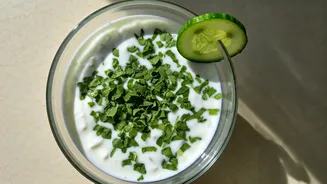
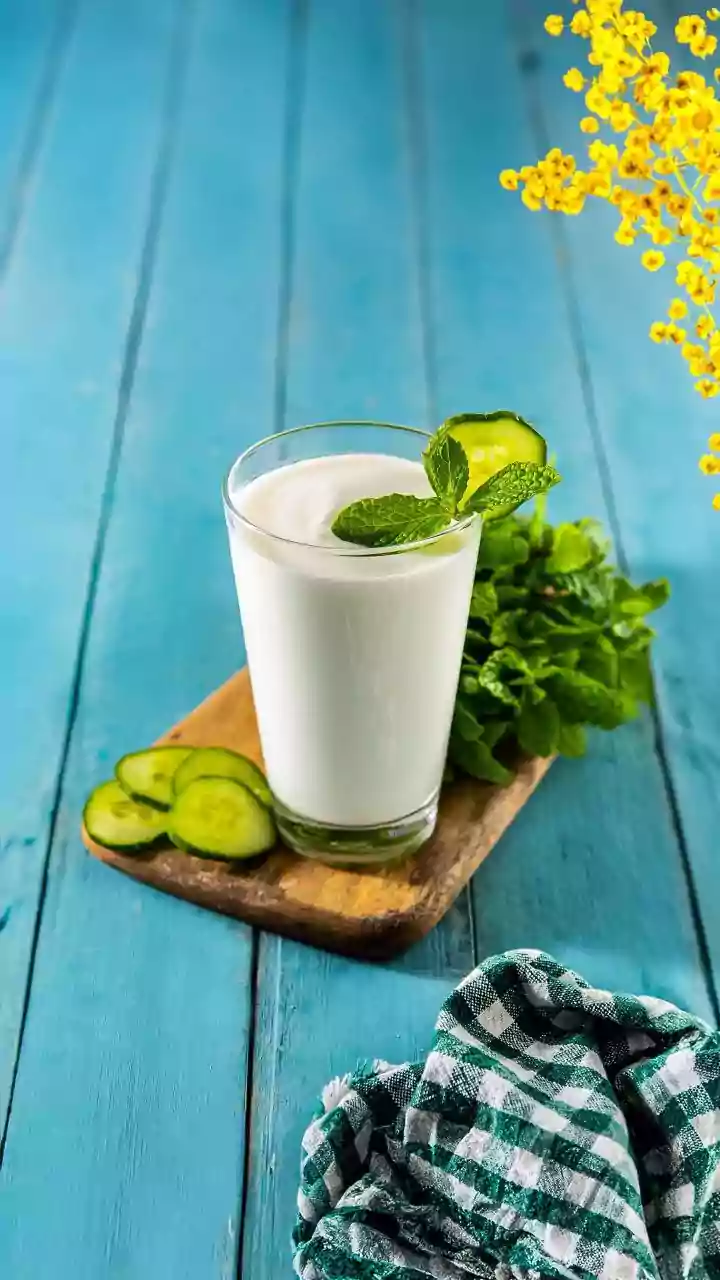
Ready to experiment? It couldn't be simpler. You can find moringa powder at most health food stores, South Asian groceries, or online. For a standard batch of paratha dough (using about two cups of flour), start by adding one to two tablespoons of moringa powder to your dry ingredients before mixing in the water. You can adjust the amount based on your preference—more for a stronger flavor and deeper color, less for a subtle hint. Knead the dough as you normally would, let it rest, and then roll and cook your parathas. The process is identical. Serve them with a cooling cucumber raita (yogurt dip), a spicy mango pickle, or a simple lentil dal to complement the earthy flavors. It’s an effortless upgrade that makes an old favorite feel brand new.