


The Pandemic Puppy Effect
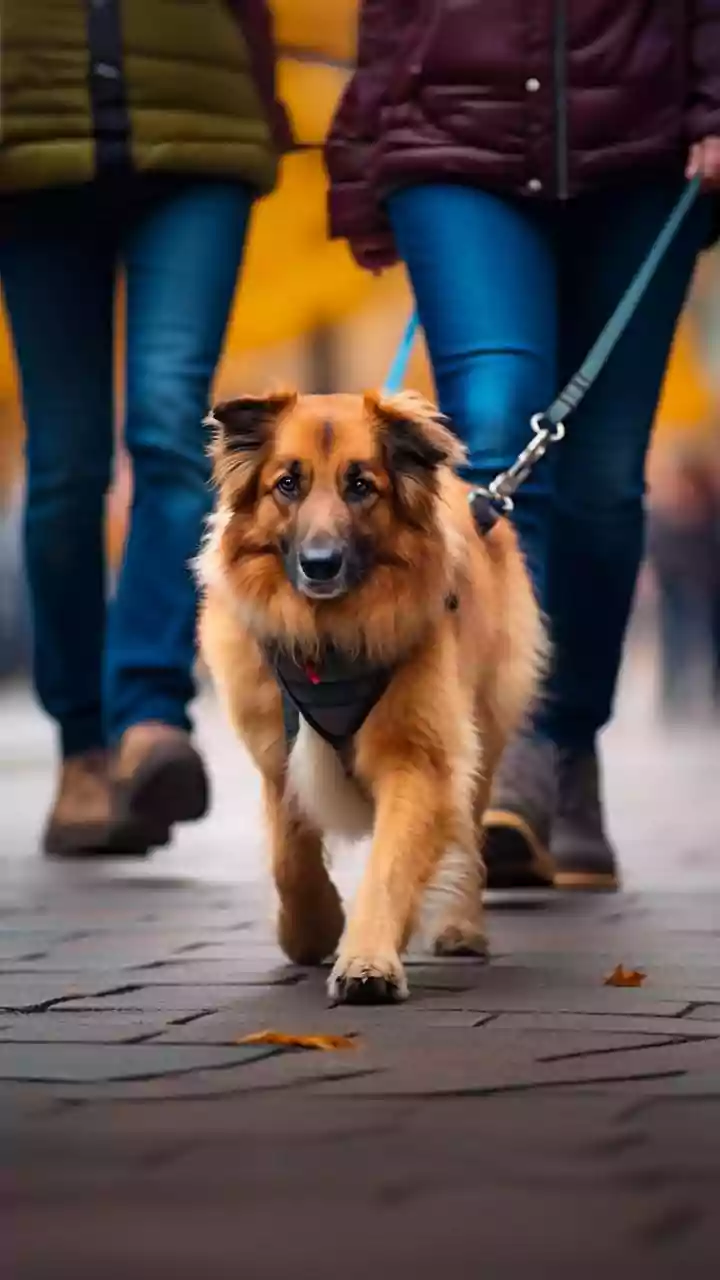
The roots of this shift can be traced back to 2020. During the pandemic, millions of Americans adopted pets, creating an unprecedented boom in animal companionship. The American Pet Products Association reports that 70% of U.S. households now own a pet.
These aren’t just animals; for a generation of millennials and Gen Z, they are “starter children” or integral family members. As travel resumed, a new non-negotiable emerged: if the dog can’t come, many of us aren’t going. This created a massive, newly-empowered demographic of travelers who plan their vacations not just around school holidays, but around the needs of their four-legged companions. The hospitality industry, hungry for a post-pandemic recovery, took notice. Suddenly, catering to pets wasn’t a niche chore, but a massive market opportunity.
From 'Tolerated' to 'VIP' (Very Important Pet)
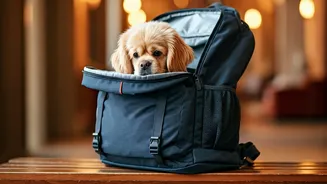
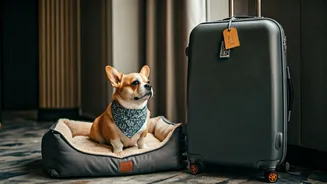
The old model of pet-friendly travel was one of tolerance, not welcome. It often involved a non-refundable pet fee of $150 or more, size and breed restrictions, and being relegated to less-desirable rooms. The underlying message was: we’ll allow it, but we’d rather you didn’t. The new “booking flex” flips this script entirely. True pet-forward properties have moved beyond a simple water bowl in the lobby. They are actively marketing their pet amenities as a core part of their brand identity. It’s a signal of modern, inclusive hospitality. When a hotel like Kimpton—a long-time leader in this space—welcomes any pet that can fit through the door with no extra fees, it sets a standard. It tells guests that their entire family is welcome, creating a level of brand loyalty that a standard hotel bar happy hour could never achieve.
The Amenities Arms Race
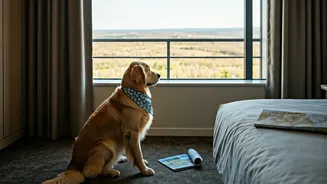
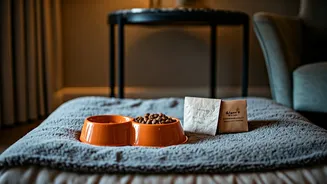
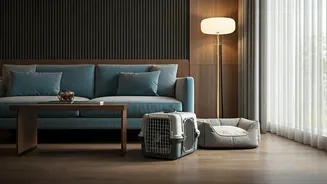
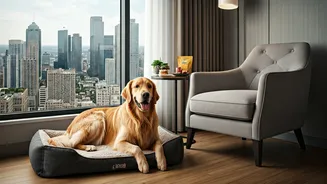
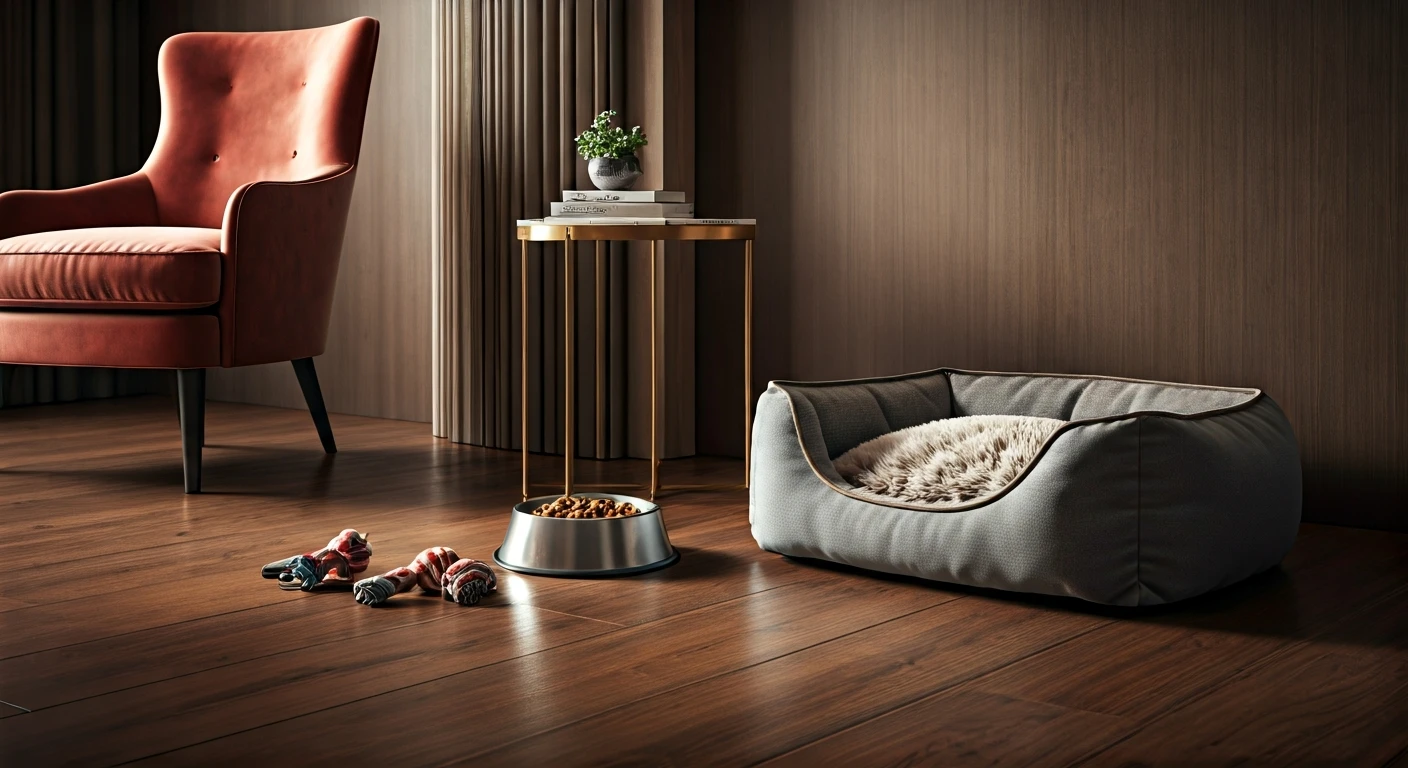
So what does this new pet-centric luxury look like? It’s an amenities arms race where creativity is the main weapon. At high-end establishments, you’ll find dedicated “Directors of Pet Relations” (often a resident dog). Welcome kits are now common, but premium versions include locally-made organic treats, custom-branded toys, and a map of nearby dog parks and pet-friendly patios. The real flex is in the experiences. Think “yappy hours” with canine-safe “cocktails,” in-room dining menus featuring grilled salmon or steak for dogs, and plush, human-grade pet beds that rival your own. Some hotels offer pet-sitting and dog-walking services, often through partnerships with local businesses, allowing owners to enjoy a few hours of human-only time, guilt-free. It’s about creating a parallel luxury experience for the pet, making the trip memorable for every member of the family.
It's Simply Good Business
While the heartwarming pictures of dogs on vacation drive social media engagement, the strategy is rooted in cold, hard numbers. Data from major booking platforms shows that searches for pet-friendly accommodations have skyrocketed. According to a 2022 report from Booking.com, a significant percentage of American pet owners say they would only travel to pet-friendly locations. These travelers often stay longer and are willing to spend more on services that ensure their pet’s comfort and safety. By leaning into this trend, hotels and vacation rentals tap into a loyal and lucrative market. A positive pet experience leads to glowing reviews, word-of-mouth referrals, and repeat business. In a competitive travel market, being the best option for Fido is a powerful way to become the first choice for his owner.