
1. Establish an Entryway ‘De-Muding’ Zone
Your best defense is a good offense, and it starts at your door. Before the rainy season kicks into high gear, designate an area just inside the most-used entrance for you and your dog. This isn't just about putting down an old towel; it's about creating
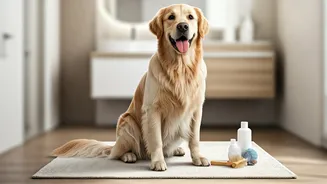
a system. Lay down a highly absorbent, machine-washable mat or runner. Keep a stack of old, dedicated 'dog towels' in a basket by the door. A paw plunger—a small silicone-bristled cup you fill with water—can be a game-changer for getting mud out from between paw pads. Keep everything you need within arm's reach so you can intercept the mess before it gets tracked through the house. The goal is to make the cleanup process a quick, repeatable routine that both you and your dog get used to.
2. Gear Up Before You Go Out
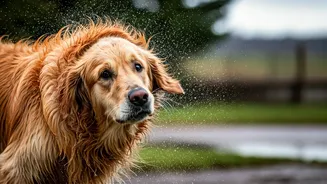
An ounce of prevention is worth a pound of muddy cleanup. Investing in the right rain gear for your dog can dramatically reduce the amount of water and dirt they bring back inside. A waterproof dog raincoat or full-body suit can keep their core and back dry, minimizing that pervasive wet-dog odor and cutting your drying time in half. For dogs who tolerate them, waterproof booties are the ultimate solution for clean paws. If your dog resists booties, focus on a coat that covers their underbelly, which often picks up the most splash-back from puddles. This pre-walk ritual not only keeps your dog cleaner but also more comfortable on cold, damp walks.
3. Master the Art of the Towel-Dry
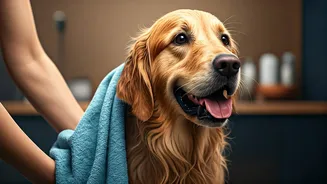
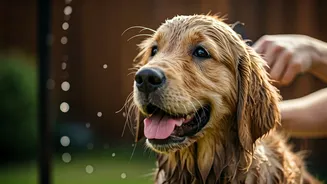
Simply rubbing a dog with a towel can be ineffective and sometimes create mats in their fur. The most effective technique is to blot and squeeze, not rub. Use a super-absorbent microfiber towel, which soaks up more water than a standard cotton bath towel. Start with the paws, legs, and underbelly, then work your way up to the back and head. Gently squeeze sections of fur within the towel to press the water out. For dogs with long or thick coats, a second dry towel can make a huge difference. Avoid vigorous, circular rubbing motions, as this can tangle wet hair and lead to painful knots later on.
4. Use a Blow Dryer—The Right Way
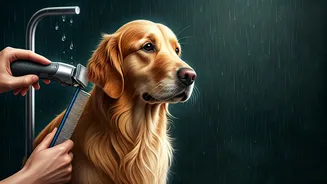
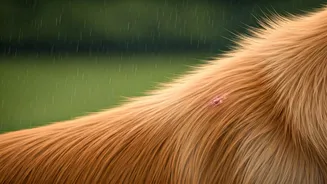
For dogs who aren’t terrified of the noise, a blow dryer can be your best friend for preventing skin issues. Leaving a dog's coat, especially a thick double coat, damp for long periods can trap moisture against the skin, creating a perfect environment for hot spots, yeast, or fungal infections. Use a dryer on a low-heat, low-speed setting. Keep the nozzle moving and at least six inches away from your dog’s skin to prevent burns. As you dry, use a slicker brush or comb to gently separate the fur, ensuring air circulates all the way to the skin. This not only dries them faster but also leaves their coat fluffy and fresh.
5. Prioritize Brushing and Paw Checks
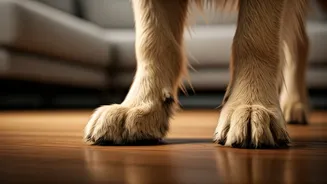
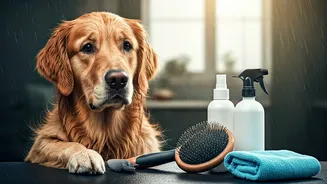
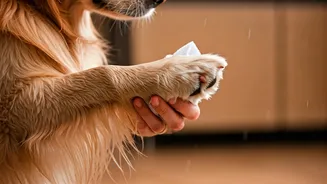
Wet fur is much more prone to matting than dry fur. A quick daily brushing during the rainy season is crucial, even if you don't normally do it that often. Focus on friction areas like behind the ears, in their 'armpits,' and on their hindquarters. This simple five-minute routine prevents small tangles from turning into large, painful mats that may require a professional groomer to shave out. While you're at it, perform a quick paw check. Look for any redness, irritation, or debris lodged between their paw pads. Wiping paws is good, but a visual inspection ensures their feet are staying healthy despite the constant dampness.
6. Rethink Your Bathing Schedule
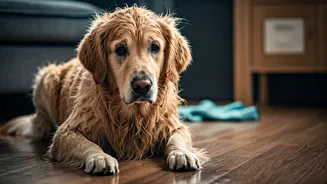
It might seem counterintuitive, but you should resist the urge to bathe your dog every time they get muddy. Over-bathing can strip their coat of natural, protective oils, leading to dry, itchy skin and a duller-looking coat. Instead, rely on your entryway cleaning station for daily mud maintenance. Stick to your regular bathing schedule, perhaps shifting it a little more frequently if needed, but don't default to a full bath for every messy walk. When you do bathe them, use a high-quality, moisturizing dog shampoo and be sure to rinse thoroughly, as leftover residue can also irritate the skin.