



From Seed to Table: The Food Cycle
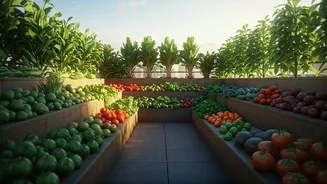
The most direct lesson of any garden is understanding where food comes from. For a child who has only ever seen carrots in a plastic bag at the grocery store, pulling one from the dirt is a moment of pure magic. Urban gardening demystifies the food system
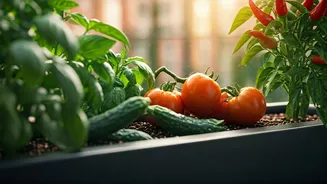
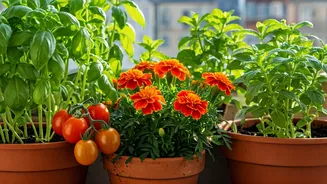
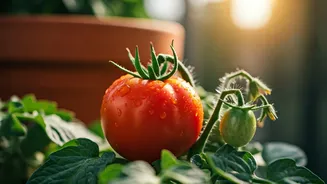
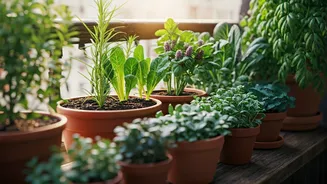
on a micro level. Planting a tomato seed in a pot on the fire escape and watching it grow from a seedling to a flowering plant to a ripe fruit provides a tangible connection to the food cycle. This simple act teaches children that food isn't just manufactured; it’s cultivated through time, care, and natural processes. It also encourages healthier eating habits. A child who has personally nurtured a kale plant is far more likely to try—and even enjoy—eating it.
The Power of Patience and Persistence
In a world of instant gratification, gardening is a powerful teacher of patience. Seeds don't sprout overnight, and fruit doesn't appear in a day. Urban kids learn to check their pots daily, water them consistently, and wait. They learn that growth is a slow, steady process. This lesson extends to dealing with setbacks. Sometimes a plant doesn’t sprout, or pests attack the leaves. These moments aren't failures; they're opportunities to teach persistence. Families can research solutions together—is it a lack of sun? Too much water? By troubleshooting these problems, children learn resilience, problem-solving, and the rewarding feeling of seeing a struggling plant bounce back through their care.
A Crash Course in Urban Ecosystems
A simple container garden can become a miniature laboratory for observing ecosystems. Children can see firsthand how plants, insects, soil, and weather interact. They learn which bugs are helpful (like bees and ladybugs) and which are harmful to their plants. This is a chance to teach about pollination and the vital role bees play in our food supply—even in the city. Composting kitchen scraps in a small worm bin to create nutrient-rich soil for their pots teaches the concept of a closed-loop system, where waste becomes a resource. It's a foundational lesson in sustainability, showing that nothing in nature is truly thrown “away.”
Resourcefulness and Small-Space Solutions
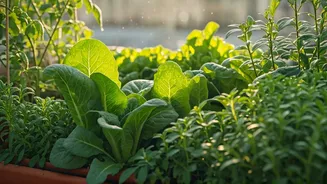
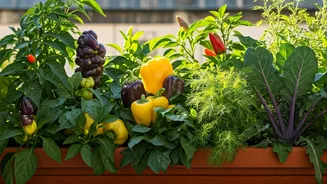
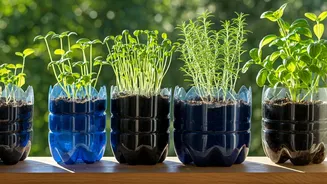
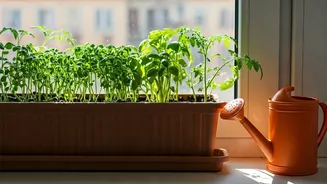
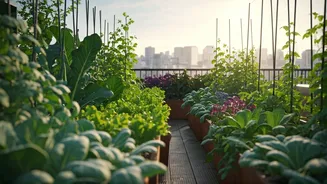
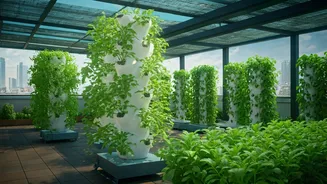
Urban gardening is an exercise in creativity and resourcefulness. Limited space forces families to think outside the traditional garden plot. This is where the real innovation happens. Kids can help design vertical gardens using stacked crates or wall-mounted planters. They can learn to grow herbs in a window box, strawberries in a hanging basket, or lettuce in a repurposed plastic tub on the balcony. This “make it work” attitude is a valuable life skill. It teaches children to see potential in overlooked spaces and to find clever solutions to constraints, reinforcing the sustainable ethos of making the most of what you have, right where you are.
Building Community Roots
For many city dwellers, gardening moves beyond the individual balcony and into shared spaces. Joining a community garden is a fantastic way for urban families to connect with their neighbors and teach kids about collaboration. In a community plot, children see teamwork in action as people share tools, advice, and their eventual harvests. They learn to respect a shared resource and contribute to a collective effort. These gardens often become vibrant social hubs, breaking down urban anonymity and fostering a sense-of-place. The child learns that caring for the environment isn't just a solitary activity; it’s a shared responsibility that can build a stronger, healthier community.