




The Ultimate Burnout Antidote
If life feels like a game that’s perpetually on hard mode, a short nature trip is the closest thing to finding a health-restoring power-up. Gen Z, the first generation to grow up fully immersed in the digital world, reports higher levels of anxiety and
stress than any before it. The constant notifications, the pressure to perform online and off, and the looming sense of economic and environmental dread create a perfect storm for burnout. A sprawling, two-week vacation can feel like an impossible solution, both financially and logistically. The short-haul nature trip, however, offers an immediate and effective antidote. It’s a deliberate act of unplugging—trading doomscrolling for a scenic overlook, and email alerts for the sound of a running stream. Studies have long shown the restorative effects of nature on mental health, reducing cortisol levels and promoting a sense of well-being. For Gen Z, this isn't just a nice-to-have; it's a critical tool for mental maintenance, a quick-release valve for the pressures of modern life.
High-Impact Experiences, Low-Impact Budgets
Let’s be honest: the idea of a 'trip' for previous generations often conjured images of plane tickets, resort fees, and a hefty credit card bill. For Gen Z, many of whom entered a workforce marked by inflation and student debt, that model is often unsustainable. The 'cheat code' aspect of the local nature trip is its accessibility. It sidesteps the biggest cost drivers of travel: expensive flights and long-term lodging. Instead of a flight to Bali, it’s a two-hour drive to a state park. Instead of a luxury hotel, it’s a tent, a rustic cabin, or a budget-friendly rental near a hiking trail. This approach democratizes travel, reframing it from a rare, expensive luxury into a frequent, affordable practice of self-care. It prioritizes the experience—the hike, the campfire, the quiet moment—over the status symbols of traditional tourism. It’s a financially savvy move that delivers maximum psychological reward for a minimal financial investment.
The 'Authentic' Content Goldmine
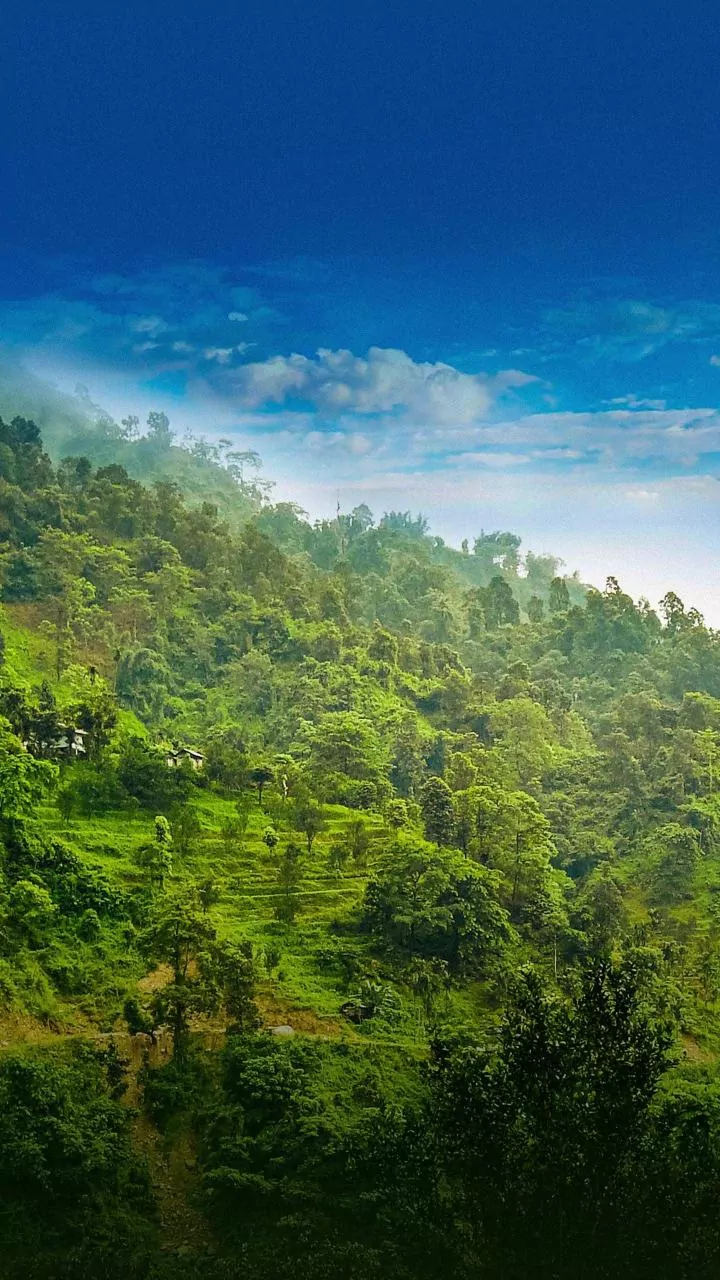
While these trips are a way to disconnect, they also feed perfectly into the modern need to connect online—but on Gen Z's terms. The visual currency of social media has shifted. While glossy, highly-produced vacation photos still exist, the aesthetic du jour leans toward authenticity, spontaneity, and a touch of the idyllic. Think cottagecore, gorpcore, and the 'soft life.' A weekend trip to a foggy coastline or a sun-dappled forest provides a wealth of this content. It’s not about showing off wealth with a picture of a five-star hotel infinity pool. It’s about signaling values: a love for nature, a commitment to wellness, and an appreciation for simple beauty. A photo dump of blurry campfire photos, a video of a deer on a trail, or a selfie from a mountain peak feels more relatable and 'real' than a curated resort shoot. In this way, the short-haul nature trip allows them to document a life that feels both aspirational and attainable, satisfying the algorithm without selling their soul.
Low-Effort, High-Reward Planning
Perhaps the most underrated part of this 'cheat code' is the low barrier to entry. Planning an international vacation can be a part-time job, involving months of research, booking, and coordination. A short-haul nature trip can be decided on a Wednesday and executed by Friday. The logistics are simple: find a park or natural area within driving distance, pack a bag, fill up the gas tank, and go. This spontaneity is a luxury in a world that often feels over-scheduled and rigid. It empowers individuals to be responsive to their own needs. Feeling overwhelmed? Take a weekend. Need a break from your roommate? Find a solo hike. This ease of execution is what makes the habit sustainable. It’s not a once-a-year event; it’s a repeatable, reliable strategy for improving your quality of life whenever you need it.