
The Grounding Power of Earthy
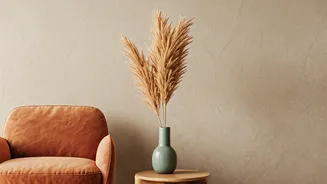
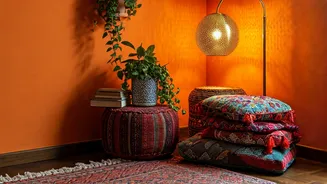
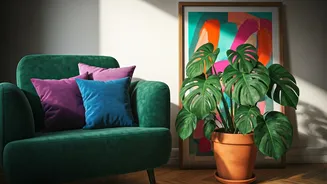
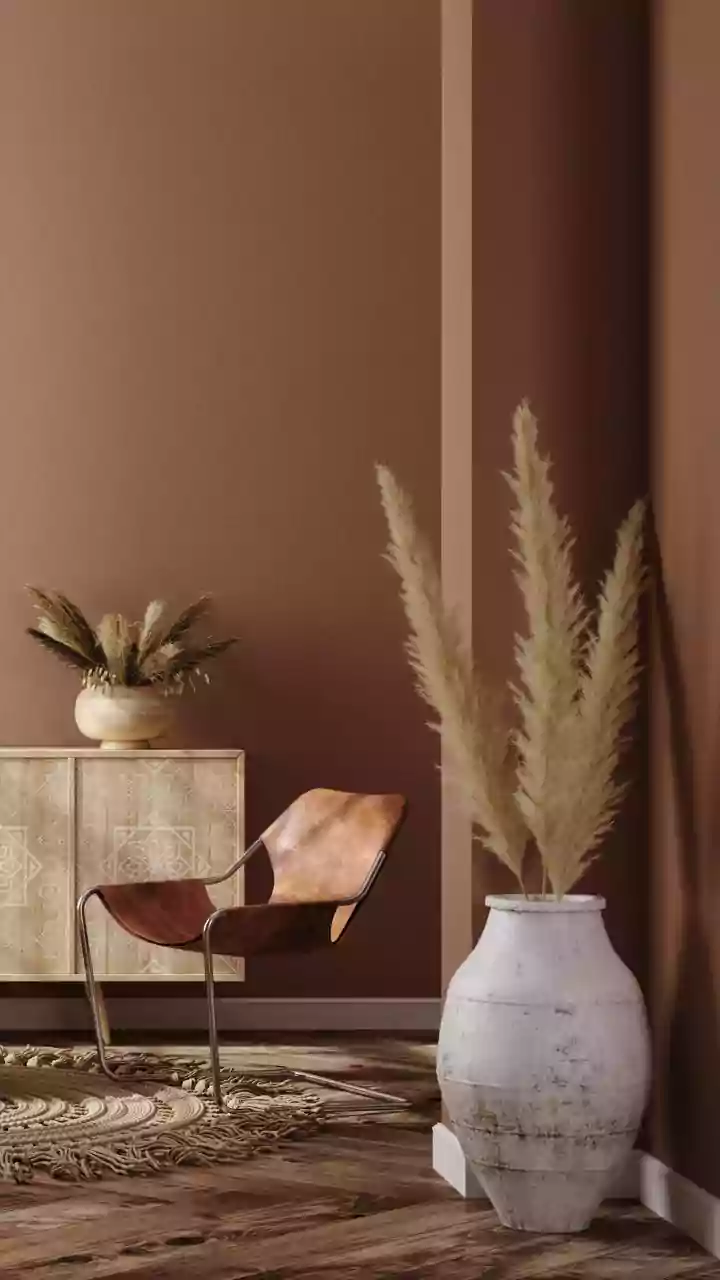
The great indoors are starting to feel a lot more like the great outdoors. The move towards an 'earthy' aesthetic is about more than just a color palette; it's a philosophy. We're talking about colors that ground you the moment you walk in the door: warm
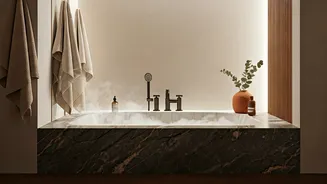
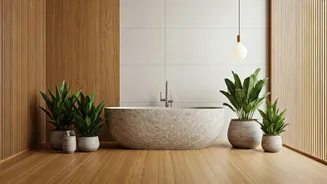
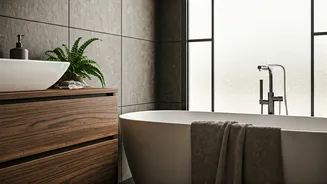
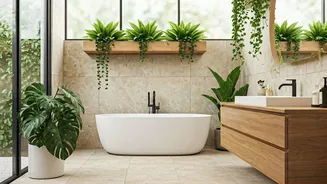
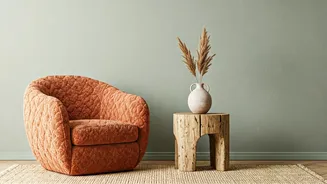
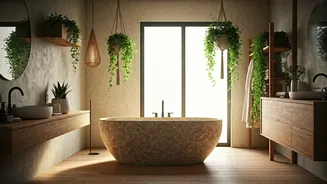
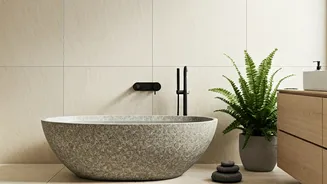
terracotta, deep moss greens, sandy beiges, and muted stone greys. Think of the shades you’d find on a desert hike or a walk through a forest. This trend is a direct rejection of the stark, clinical whites and cool greys that have dominated for the past decade. Designers are turning to natural materials that feel authentic and timeless. Unfinished or lightly stained woods, particularly oak and walnut, are making a huge comeback in flooring, furniture, and paneling. We're also seeing a rise in stone—not just polished marble, but more humble, matte-finish materials like travertine, limestone, and slate being used for coffee tables, countertops, and decorative objects. The goal is to build a foundational layer in the home that feels connected to the natural world, creating a sense of stability and permanence in an unstable world.
A Deep Dive into Texture
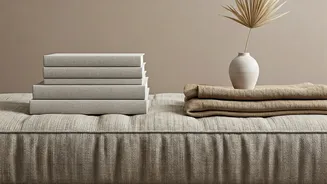
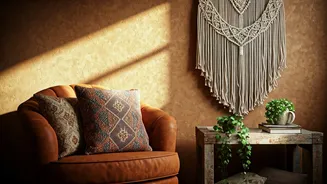
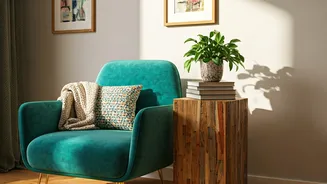
If 'earthy' is the visual foundation, 'textured' is the sensory experience that brings it to life. For 2026, flat, uniform surfaces are officially on the outs. In their place is a rich tapestry of tactile materials that invite you to touch and feel. This trend is a response to our screen-heavy lives, where so much of our interaction is with smooth, cold glass. In our homes, we’re craving depth and dimension. Fabrics are leading the charge. Bouclé, with its looped, nubby feel, remains a favorite for sofas and armchairs, but we're also seeing more velvet, slub linen, and chunky, hand-woven wools. On the walls, flat paint is being replaced by textured finishes like limewash or Roman clay, which give surfaces a soft, chalky depth and beautiful, subtle variation. Furniture and decor are following suit. Fluted wood paneling on cabinets, reeded glass in doors, and hand-molded ceramics with imperfect finishes all contribute to this layered look. It's about creating a space that isn't just visually pleasing but is also engaging on a physical level. Each surface tells a story and adds to a feeling of curated, lived-in comfort.
Designing for True Calm
The ultimate goal tying these trends together is the creation of 'calm.' This isn't minimalism, which can sometimes feel cold and empty. Instead, it’s about thoughtful curation and the removal of visual friction. It’s a design approach that quiets the mind. A key element of this is the move towards softer silhouettes. Sharp angles and rigid lines are being replaced by curves. Think arched doorways, rounded sofas, and circular coffee tables that encourage flow and create a gentler, more welcoming environment. Lighting is also playing a critical role. Harsh, overhead lighting is out, replaced by a layered approach that uses multiple, low-level light sources. Dimmable floor lamps, sculptural table lamps, and strategically placed accent lights create a warm, diffused glow that can be adjusted to suit the mood. Finally, creating calm is about what you leave out. This trend encourages a 'quiet luxury' approach, focusing on fewer, better things. It’s about decluttering not for the sake of emptiness, but to give well-loved, beautiful objects the space to breathe. The result is a home that functions as a true retreat—a serene, comfortable, and deeply personal space to recharge from the outside world.